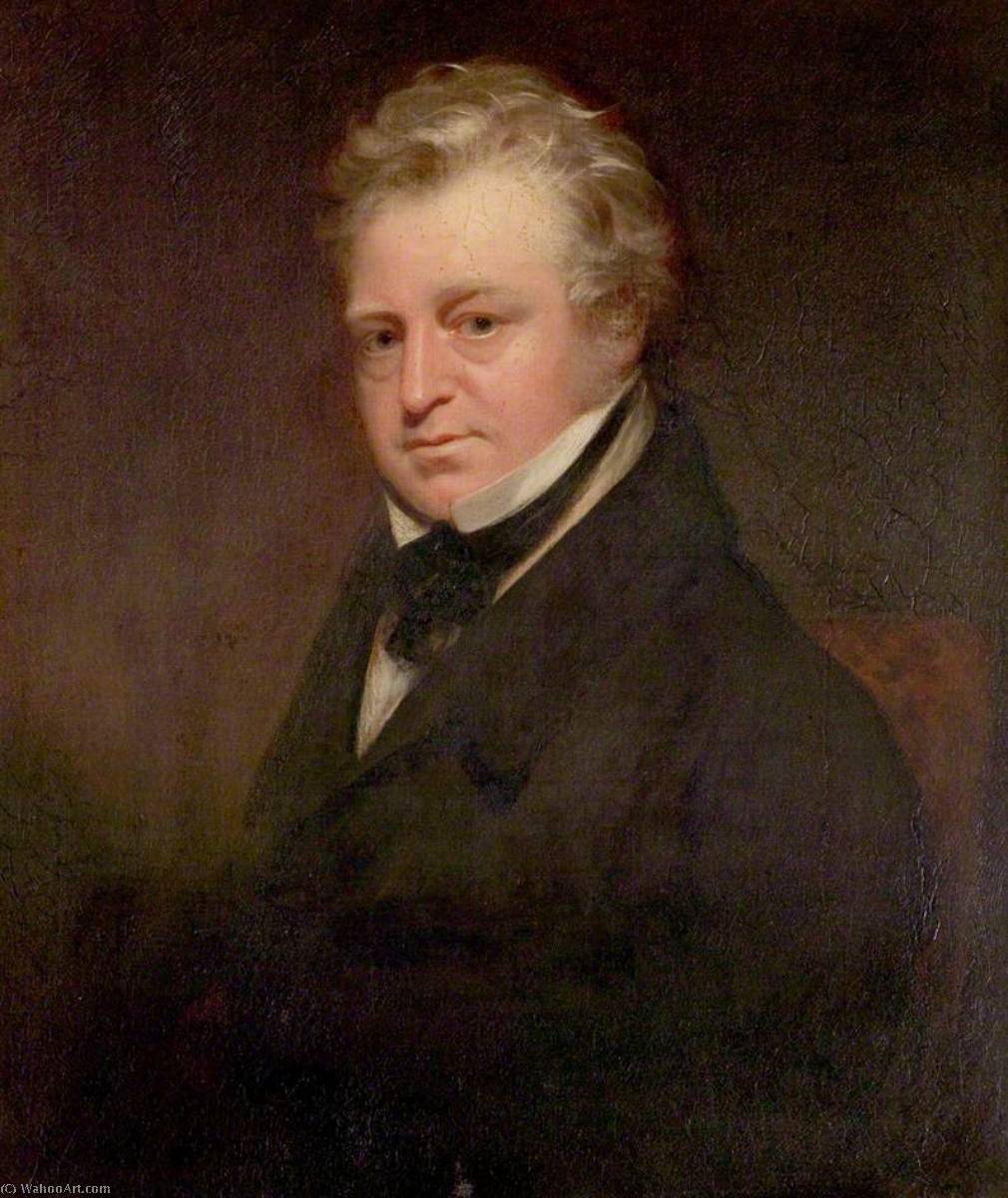
Thomas Paul Sandby (1766–c.1832): The Poet of Landscape
Thomas Paul Sandby (1766–c.1832) stands as a pivotal figure in the burgeoning Romantic landscape movement, recognized not merely for his meticulous observation of nature but for an ability to imbue his canvases with profound emotion and psychological insight—a distinction that firmly establishes him as “the poet of landscape,” as championed by fellow artists and critics alike.
- Early Life & Artistic Beginnings: Born in Burford, Oxfordshire, Sandby’s formative years were marked by familial tragedy – the untimely deaths of his parents instilled a deep appreciation for solitude and contemplation that would profoundly influence his artistic vision. Initially destined for legal pursuits under the guidance of his uncle, Samuel Beechey, he swiftly abandoned this path to pursue painting, enrolling at the Royal Academy Schools in 1772 where he honed his skills under the tutelage of Johan Zoffany.
- Style & Technique: Sandby’s distinctive style—characterized by a masterful blend of tonal gradation and atmospheric perspective—was revolutionary for its time. Rejecting the rigid formalism of Neoclassicism, he embraced looser brushstrokes and muted palettes to capture the subtle nuances of light and shadow within rural landscapes. His technique involved layering thin washes of colour over textured grounds, creating luminous surfaces that conveyed a palpable sense of immediacy and realism.
- Notable Works & Subjects: Sandby’s oeuvre encompasses an impressive array of subjects—from idyllic pastoral scenes to dramatic depictions of storms—reflecting his fascination with the sublime beauty of the natural world. Among his most celebrated paintings include “The Shepherdess,” a poignant portrayal of rural life imbued with melancholic tenderness, and “Cottage Interior,” which captures the warmth and intimacy of domesticity with remarkable sensitivity.
- Historical Context: Sandby’s artistic endeavors coincided with the ascendance of Romanticism—a movement that prioritized emotion and imagination over reason and intellect. Influenced by thinkers like Edmund Burke and William Wordsworth, he sought to convey not just what he saw but how he felt—expressing a deep communion with nature and an awareness of its power to inspire awe and wonder.
- Legacy & Influence: Sandby’s pioneering approach to landscape painting profoundly impacted subsequent generations of artists. His emphasis on tonal harmony, atmospheric illusionism, and psychological depth served as a cornerstone for the Romantic aesthetic—solidifying his position as one of Britain's foremost landscape painters and ensuring that his work continues to resonate with audiences today.
Sandby’s paintings are treasured for their ability to transport viewers into the heart of the English countryside, capturing not only its visual splendor but also its emotional resonance. They stand as enduring emblems of Romantic idealism—a testament to the transformative power of art and its capacity to illuminate the human condition.