Discover Thomas Cole (1801-1848), founder of the Hudson River School! Explore his romantic landscapes, allegorical works like 'The Course of Empire,' and lasting influence on American art.
Explore The Metropolitan Museum of Art: 5,000 years of art from around the world! Discover masterpieces, ancient artifacts & immersive exhibitions – a global art destination awaits.
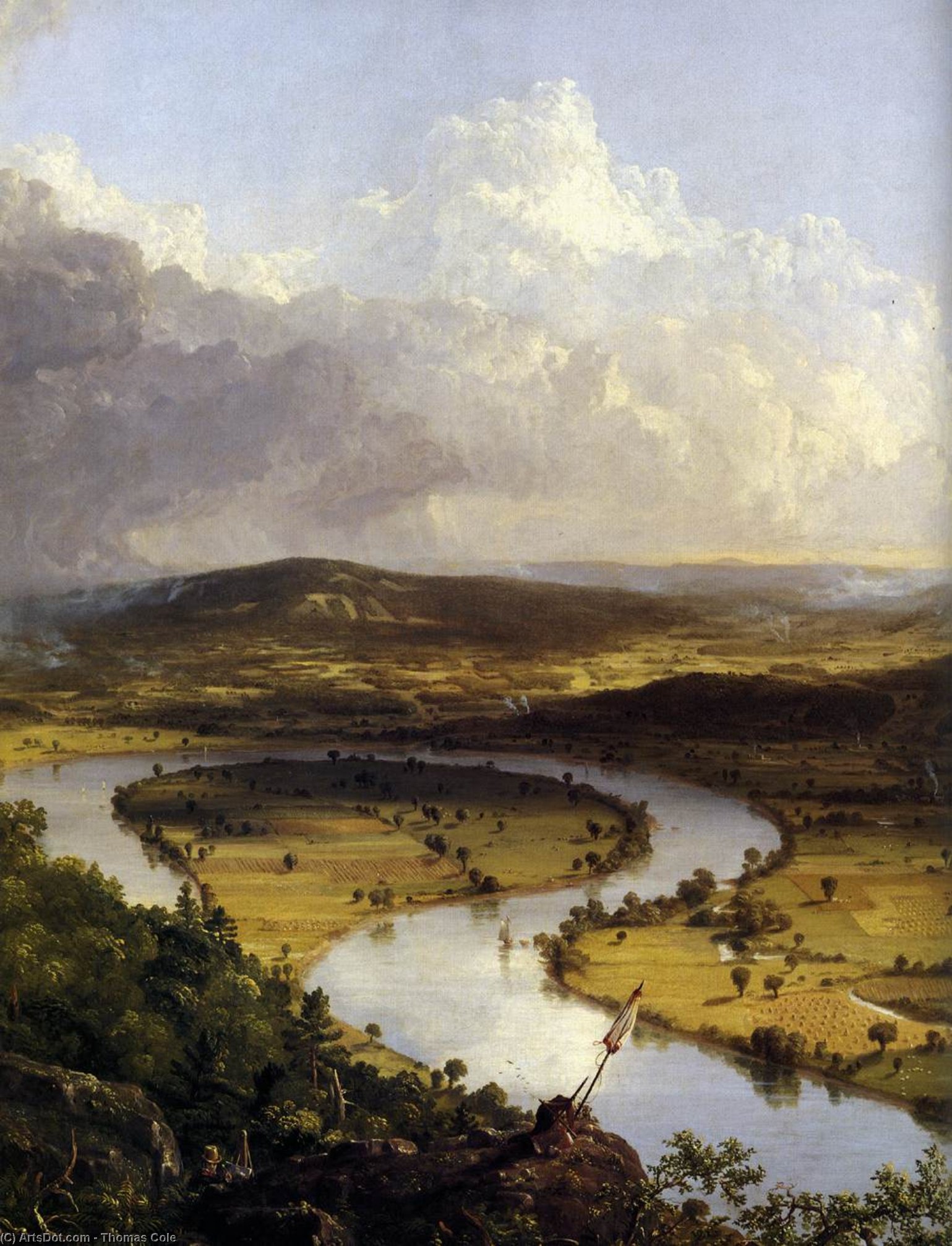
A Vision of Eden: Exploring Thomas Cole’s “View from Mount Holyoke”
Thomas Cole, born in Bolton le Moors in 1801, represents a cornerstone of American artistic achievement. His formative years in England instilled an appreciation for classical art forms—a legacy that would subtly influence his groundbreaking approach to landscape painting. However, Cole's true vocation emerged upon arriving in Ohio in 1818, where he encountered the vast expanse of the American wilderness and embarked on a transformative journey toward artistic independence. Initially honing his skills as a portrait artist – a prevalent profession during his time – Cole swiftly recognized the potential for conveying profound ideas through depictions of nature. This decision marked a decisive break from European artistic conventions that prioritized grand narratives and mythological themes, establishing Cole as a pioneer in forging a distinctly American visual language.
- Subject Matter: Cole’s masterpiece captures a dramatic thunderstorm rolling over Mount Holyoke, Massachusetts—a scene chosen deliberately to embody the idealized vision of America as a pristine wilderness untouched by corruption.
- Style: The painting exemplifies Romanticism, prioritizing emotion and imagination over rational observation. It eschews meticulous detail in favor of conveying atmosphere and grandeur, mirroring the sensibilities of its era.
Technique & Composition
Cole’s masterful technique—primarily oil on canvas—allowed him to achieve remarkable tonal range and luminosity. He employed a pyramidal composition, drawing viewers upwards towards the imposing mountains and emphasizing the sublime beauty of the landscape. Careful brushwork contributes to the painting's textural richness, capturing the turbulent energy of the storm while simultaneously conveying a sense of serene contemplation. The artist’s meticulous attention to detail—particularly in rendering the foliage and water—further enhances the realism of the scene despite its symbolic intent.
Historical Context & Influence
Painted in 1836, “View from Mount Holyoke” arrived during a period of intense debate regarding America’s role on the world stage. Cole's work responded directly to this discussion by presenting an optimistic portrayal of American potential—a counterpoint to anxieties surrounding industrialization and urbanization. More broadly, it solidified the Hudson River School’s reputation as the foremost artistic movement in the United States, establishing Cole as its undisputed leader. His influence extended far beyond his immediate contemporaries, inspiring generations of artists to explore the spiritual dimensions of landscape painting and championing a vision of America rooted in reverence for nature.
Symbolism & Emotional Resonance
Beyond its aesthetic beauty, “View from Mount Holyoke” is laden with symbolic significance. The storm represents both destruction and renewal—a reminder that even amidst hardship, beauty persists. The figures positioned at the foot of the mountain symbolize humanity’s humble acknowledgement of God's majesty and dominion over creation. Cole deliberately crafted an image designed to evoke feelings of awe and wonder, inviting viewers to contemplate the sublime power of nature and its capacity to inspire moral contemplation. It remains a testament to the enduring appeal of Romantic idealism and continues to captivate audiences today with its breathtaking depiction of American wilderness.