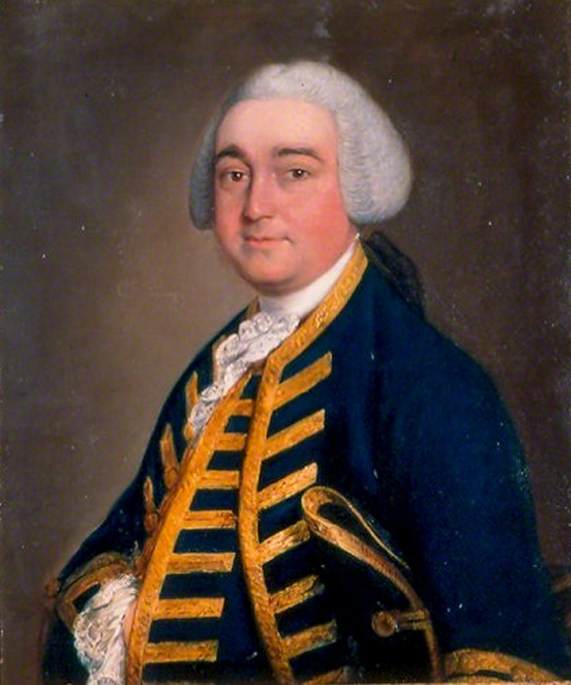
Christopher Griffith (1721–1776), MP for Berkshire
Thomas Gainsborough’s portrait of Christopher Griffith is more than just a depiction of a man; it's an embodiment of Georgian England – ambition, intellect, and understated dignity rendered with masterful brushstrokes. Painted in 1775, this artwork resides within the Royal Collection at Reading Museum, offering viewers a glimpse into the life of a prominent figure shaping British politics during his time. Gainsborough’s skill lies not merely in capturing likeness but in conveying character—Griffith's gaze holds a quiet confidence, reflecting the seriousness of his role as Member of Parliament for Berkshire and hinting at a thoughtful disposition beyond mere formality.
- Style: Rococo – Though Gainsborough primarily worked in the Classical style, this portrait exhibits subtle Rococo influences evident in the delicate handling of drapery and the soft, diffused light that illuminates Griffith’s face. This stylistic choice speaks to the prevailing aesthetic sensibilities of the era, prioritizing elegance and refinement over stark realism.
- Technique: Oil on Canvas – Gainsborough employed oil paint on canvas, a technique favored for its ability to achieve luminous colors and textural depth. The artist meticulously layered pigments to create subtle gradations of tone, capturing the nuances of Griffith’s skin complexion and the texture of his clothing with remarkable precision.
- Historical Context: Georgian England (1714–1830) – Griffith's portrait reflects the social and political landscape of Britain during the reign of George II. The period was marked by stability, economic prosperity, and a burgeoning Enlightenment spirit—values that are subtly conveyed through Griffith’s dignified posture and contemplative expression.
The composition itself is carefully considered. Griffith stands confidently against a muted backdrop, holding a cane and sword – symbols of authority and defense. These props aren't merely decorative; they underscore Griffith’s position as a respected statesman and represent the burdens of responsibility inherent in his role. Gainsborough skillfully uses light to sculpt Griffith’s form, emphasizing musculature and creating an illusion of depth that draws the viewer into the scene. The muted color palette contributes to the portrait’s solemn mood, fostering a sense of contemplation and conveying Griffith's inner seriousness.
Symbolism:
Griffith’s gaze directs upwards, suggesting ambition and aspiration—a desire for recognition and influence within the political sphere. The cane symbolizes experience and wisdom gained through years of service, while the sword represents vigilance and preparedness against potential threats. Gainsborough’s masterful use of light and shadow reinforces these symbolic meanings, elevating Griffith beyond a mere likeness to an emblem of Georgian ideals.
Ultimately, Gainsborough's portrait transcends its formal subject matter, offering viewers a profound insight into the character of Christopher Griffith and capturing the spirit of his time—a testament to Gainsborough’s enduring legacy as one of Britain’s greatest artists.