The Enigmatic Figure: An Introduction to Gainsborough’s Dupont
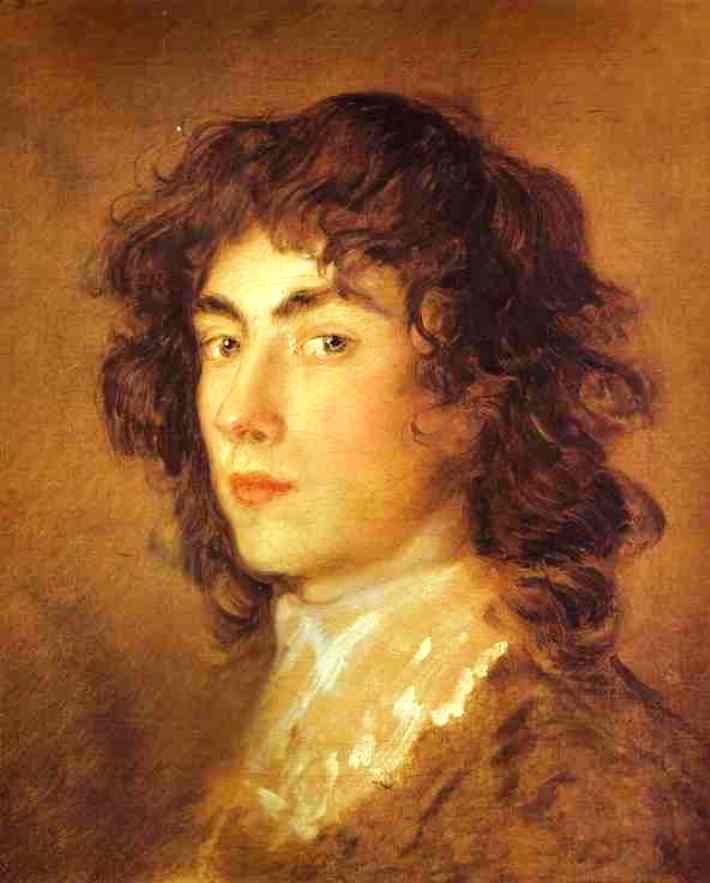
Thomas Gainsborough’s “Gainsborough Dupont,” painted in 1775, isn’t merely a portrait; it's a carefully constructed tableau of gentlemanly composure and understated elegance. The subject, a man of considerable presence yet remarkably reserved, stands before us – a figure both familiar and subtly mysterious. He embodies the spirit of the late 18th century, a time of burgeoning social consciousness and refined manners. The painting immediately draws the eye with its masterful use of light and shadow, creating a sense of depth and volume that breathes life into the sitter’s form. It's a study in restraint, a testament to Gainsborough’s ability to capture not just likeness but also character – a quiet dignity that speaks volumes without uttering a single word.
- Subject: The portrait depicts a gentleman of considerable standing, likely a member of the landed gentry.
- Style: A quintessential example of Gainsborough’s Romantic style, blending meticulous detail with an atmospheric quality that suggests both observation and emotional response.
The Language of Form and Technique
Gainsborough's technique is a revelation in its subtlety. He employs loose, expressive brushstrokes – a hallmark of his mature work – to build up the form with remarkable speed and confidence. The rich brown background isn’t simply a backdrop; it’s an active participant in the composition, providing a warm, grounding counterpoint to the cool tones of the sitter's attire. Notice how he uses light to sculpt the face, highlighting the planes of the cheekbones and forehead while subtly concealing details beneath shadow. The meticulous rendering of the lace collar, the texture of the shirt, and the sheen of the coat demonstrate his unwavering attention to detail – a testament to his skill as a draughtsman.
The painting’s composition is carefully balanced, with the sitter occupying a central position that draws the viewer's eye immediately. The direct gaze he establishes creates an intimate connection, inviting us into his world and encouraging contemplation of his character.
Historical Context: A Portrait of a Changing Era
“Gainsborough Dupont” was painted during a period of significant social and artistic transformation in Britain. The rise of the middle class fueled demand for portraits, while the influence of the Enlightenment encouraged a more critical examination of societal values. Gainsborough himself navigated this evolving landscape, moving from his early landscapes to embrace portraiture as a lucrative career path. This painting reflects the prevailing ideals of the era – a celebration of gentlemanly virtues such as honor, responsibility, and social decorum. The subject’s attire—the white shirt and collar, the carefully arranged coat—are all symbols of status and refinement.
The Tate Gallery in London, where this masterpiece resides, offers a rich context for understanding its creation and significance within British art history.
Symbolism and Emotional Resonance
Beyond its technical brilliance, “Gainsborough Dupont” resonates with a quiet emotional depth. The sitter’s expression is one of dignified reserve – not overtly cheerful or melancholic, but rather imbued with an air of thoughtful contemplation. There's a sense of contained power, suggesting a man who possesses both worldly wisdom and inner strength. The painting invites us to speculate about his life, his ambitions, and his place in the world. It’s a portrait that lingers in the mind long after it has been viewed, prompting reflection on the complexities of human character and the enduring appeal of timeless beauty.