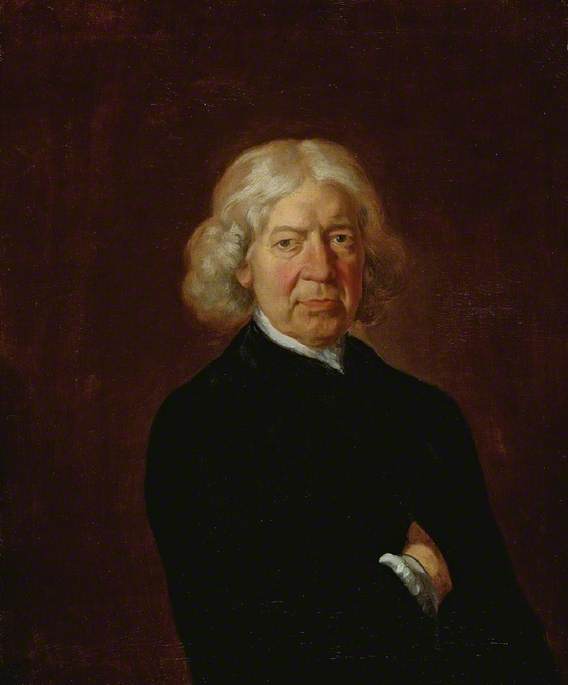
Born in Sudbury, Suffolk, Thomas Gainsborough possessed an exceptional artistic talent from childhood, nurtured by his father's encouragement. He established himself as a celebrated landscape painter and portrait artist, influencing generations of British artists.
A Suffolk Legacy: Examining Thomas Gainsborough’s “John Kirby”
The painting "John Kirby" by Thomas Gainsborough, completed in 1748, transcends mere portraiture; it embodies the spirit of Georgian England and represents a pivotal moment in British artistic history. Born in Sudbury, Suffolk, Gainsborough's formative years instilled within him an unparalleled appreciation for the natural world – a fascination that would permeate his oeuvre and solidify his reputation as one of Britain’s foremost landscape painters alongside his celebrated portraits. Unlike many of his contemporaries who honed their skills in formal academies, Gainsborough cultivated his talent independently, drawing inspiration from the serene Suffolk countryside and establishing himself as a self-taught visionary. This early immersion in observation and meticulous detail foreshadowed the stylistic hallmarks that would define his mature work.
- Subject Matter: The portrait depicts John Kirby, a gentleman of considerable stature and influence, rendered with remarkable realism against a subtly textured red wall. Gainsborough’s careful attention to anatomical accuracy—evident in Kirby's posture and musculature—demonstrates the artist’s commitment to capturing the human form with unprecedented fidelity.
- Style: Gainsborough’s style is characterized by its understated elegance and luminous tonal palette. He eschewed dramatic chiaroscuro, favoring instead a diffused light that softens features and imbues the scene with an atmosphere of contemplative calm. This technique aligns perfectly with the prevailing aesthetic sensibilities of the period, prioritizing natural beauty and psychological nuance over theatrical grandeur.
- Technique: Executed in oil on canvas, Gainsborough employed a layering process—known as glazing—to achieve subtle gradations of color and create an illusion of depth. Thin washes of translucent pigment were applied over initial layers of paint, resulting in a velvety surface texture that captures the nuances of light and shadow with breathtaking precision.
Historical Context: Georgian England – A Moment of Refinement
“John Kirby” emerged during the reign of George II, marking a period of considerable social and cultural transformation within Britain. The Georgian era witnessed an explosion of artistic creativity fueled by patronage from wealthy landowners and aristocrats like Gainsborough’s benefactor, Henry Seymour Lloyd. This newfound prosperity fostered a taste for refined aesthetics—particularly in portraiture—where artists sought to convey not only physical likeness but also character and status.
Symbolism & Emotional Impact: Beyond Appearance
The stern gaze of Kirby’s eyes speaks volumes about the sitter's inner composure and confidence. Gainsborough skillfully conveys a sense of dignified restraint, reflecting the values of Georgian society—where outward appearances were carefully cultivated to project an image of respectability and virtue. The muted red wall serves as a grounding element, anchoring the portrait within its environment and subtly reinforcing Kirby’s position as a man of substance.
The Fitzwilliam Museum Legacy
"John Kirby" currently resides at the Fitzwilliam Museum in Cambridge, United Kingdom, where it continues to captivate viewers with its timeless beauty and masterful execution. Its presence underscores Gainsborough's enduring contribution to British art and serves as a testament to the power of observation and artistic skill.