For more information on Gainsborough’s life and work, visit ArtsDot.com. View more paintings by Thomas Gainsborough at ArtsDot.com Learn about the Rococo style and its influence on art at ArtsDot.com Discover more about the Dulwich Picture Gallery and its collection at ArtsDot.
Thomas Gainsborough (1727-1788): Explore the elegant portraits & landscapes of this British master, Royal Academy founder & influence on Constable.
Explore Dulwich Picture Gallery, London's first public art gallery! Discover masterpieces by Rembrandt & Gainsborough in Soane’s stunning neoclassical space – a sanctuary of Old Masters.
A Suffolk Beginning: The Early Life and Artistic Awakening
Thomas Gainsborough’s artistic journey commenced not amidst the grandeur of London’s academies but in the tranquil landscapes of Sudbury, Suffolk—a formative experience that profoundly shaped his distinctive style. Born in 1727, the youngest son of John Gainsborough, a wool merchant, young Thomas possessed an innate fascination for drawing and painting from a remarkably tender age. Unlike his siblings who pursued more conventional occupations, Thomas’s world swiftly revolved around capturing the beauty of the Suffolk countryside—miniature self-portraits and delicate landscapes blossoming from his hand even before he reached ten years old. This prodigious talent wasn't merely a childhood pastime; it was the genesis of a vision that would ultimately redefine British art. His father recognized this singular gift, nurturing its development and providing Thomas with the resources to hone his skills—a crucial step away from the family trade and toward an artistic vocation.
The Rococo Style: Elegance and Refinement Embodied
Gainsborough’s oeuvre is firmly rooted in the Rococo style, a movement characterized by its opulent ornamentation, pastel hues, and emphasis on gracefulness and delicacy. This aesthetic sensibility permeated every aspect of his artistic practice—from the meticulous layering of glazes to the subtle manipulation of light and shadow—creating an atmosphere of refined elegance that perfectly mirrored the sensibilities of the aristocratic patrons who commissioned his works. As exemplified in paintings like “The Linley Sisters,” Gainsborough’s unwavering attention to detail and ability to convey the subject's inner life were unparalleled, establishing him as a master portraitist and cementing his legacy as one of Britain’s most beloved artists.
Notable Works Beyond Portraits
While Gainsborough is celebrated primarily for his portraits—particularly those depicting members of the British aristocracy—his artistic repertoire extended beyond this genre. He produced captivating landscapes imbued with Romantic fervor, capturing the sublime grandeur of mountainous vistas and the serene beauty of pastoral scenes. His depiction of “The Battle of Trafalgar,” a monumental canvas commemorating Nelson’s victory over Napoleon's fleet, stands as a testament to his ambition and technical prowess—a bold undertaking that showcased his mastery of color and composition.
Symbolism and Emotional Resonance
Gainsborough’s paintings resonate deeply with viewers due to their masterful use of symbolism and emotional nuance. Consider “The Shepherdess,” where the shepherdess's gaze directs the viewer's eye toward a distant horizon—representing aspiration, freedom, and an idealized vision of rural life. Similarly, in portraits like “Mr. Garrick,” Gainsborough skillfully captures Garrick’s theatrical persona—revealing not only his physical appearance but also his inner character and artistic spirit. These subtle gestures convey profound emotions—joy, melancholy, contemplation—connecting the viewer to the subject on a visceral level.
A Legacy Enduring Through Reproduction
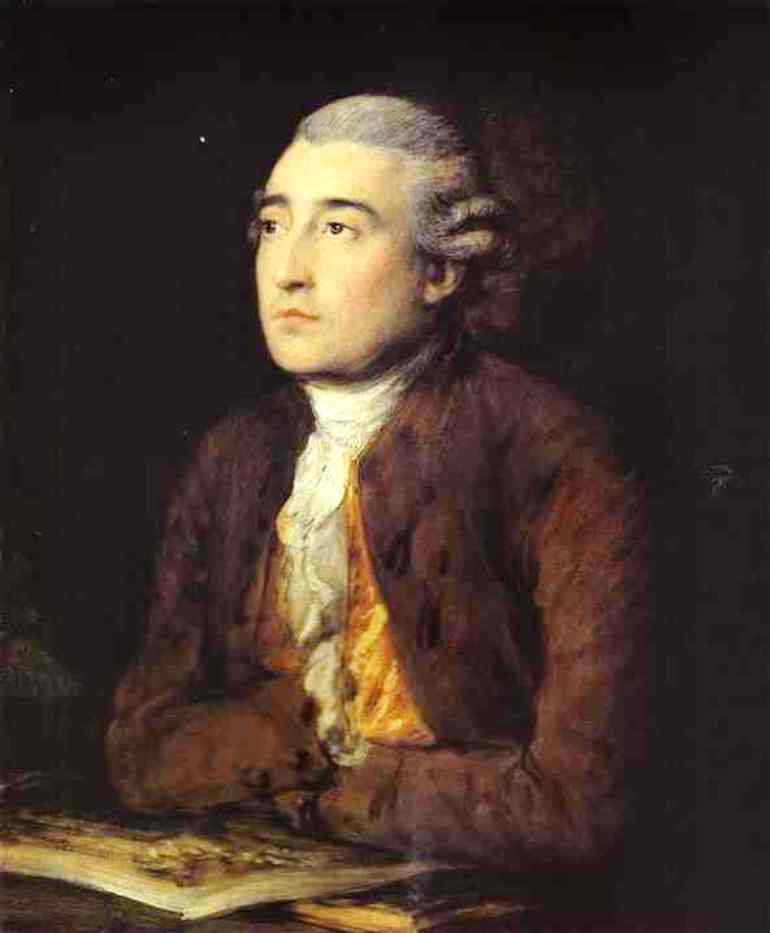
Today, Gainsborough’s masterpieces continue to inspire admiration and captivate art lovers worldwide. Reproductions of his paintings offer an opportunity to experience the beauty and elegance of his artistic vision in any setting—allowing viewers to appreciate the enduring power of Romantic idealism and the timeless appeal of masterful portraiture. Explore more about Thomas Gainsborough's life and work at ArtsDot.com Learn about the Rococo style and its influence on art at ArtsDot.com Discover more about the Dulwich Picture Gallery and its collection at ArtsDot.com The painting Philip James de Loutherbourg is a remarkable example of Gainsborough’s skill as a portrait artist, and its beauty and elegance continue to captivate art lovers to this day. As a handmade oil painting reproduction, it can be appreciated in any setting, allowing viewers to experience the essence of Gainsborough's masterpiece.