Robert Wynne (1732–1798): A Portrait of Dignified Grace
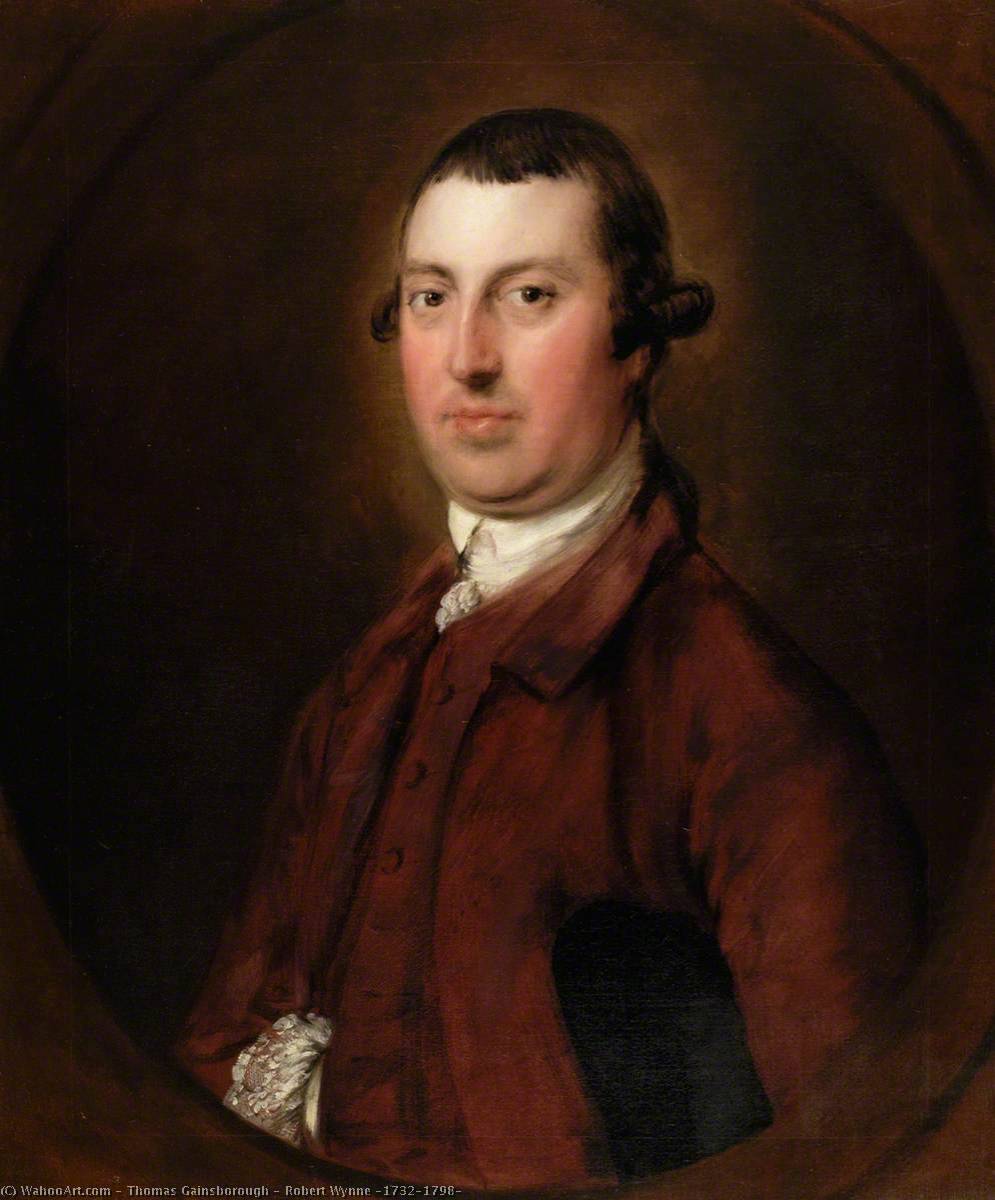
The canvas holds an arresting stillness—a portrait of Robert Wynne, executed in 1765 by Thomas Gainsborough, a cornerstone of British Romanticism. More than just a likeness, this painting embodies the ideals of Enlightenment sophistication blended with burgeoning emotion, reflecting a pivotal moment in artistic history. Wynnewe’s dignified pose commands attention; he sits upright, gazing directly at the viewer with an expression of quiet contemplation—a deliberate choice that speaks volumes about the social conventions of his time and the artist's understanding of human psychology.
- Style: Gainsborough’s style is undeniably rooted in Neoclassicism, yet subtly infused with Romantic sensibilities. The meticulous attention to detail characteristic of neoclassical portraiture—the precise rendering of drapery folds and facial features—is tempered by a softer tonal palette and expressive brushstrokes that convey an inner life beyond mere representation.
- Technique: Gainsborough employed the alla prima technique, applying thin layers of oil paint directly onto the canvas without extensive underpainting. This method allowed for unparalleled spontaneity and immediacy, capturing fleeting nuances of light and shadow—a hallmark of Romantic painting’s fascination with naturalism and emotional intensity. The artist skillfully utilized glazing techniques to build up depth and luminosity, creating a rich surface texture that enhances the visual impact of the portrait.
- Historical Context: Wynnewe’s commission reflects the burgeoning aristocratic patronage of Gainsborough's era. Portraits served as symbols of status and lineage, documenting the achievements and virtues of prominent families. However, Wynne’s gaze—a hallmark of Romantic introspection—suggests a deeper consideration of human experience beyond social hierarchy.
The circular background is deliberately muted, emphasizing Wynnewe’s figure against a backdrop that evokes both serenity and contemplation. The artist's masterful use of chiaroscuro – the dramatic interplay between light and dark – sculpts Wynne’s face and clothing, highlighting his musculature and conveying an aura of noble bearing. Subtle gradations of tone create a sense of atmospheric perspective, subtly hinting at the expansive Suffolk landscape beyond the frame—a deliberate nod to Romanticism's preoccupation with sublime beauty and its exploration of the human spirit’s relationship with nature.
Symbolism: Wynnewe’s attire – a dark coat adorned with intricate embroidery – symbolizes wealth and social standing, aligning with the aristocratic tastes of Gainsborough’s patrons. Yet, his gaze—direct and unwavering—represents inner strength and moral integrity—qualities valued during the Enlightenment and Romantic periods alike. The painting serves as a testament to Gainsborough's ability to capture not only outward appearance but also the essence of human character.
Emotional Impact: Viewing Wynnewe’s portrait evokes a feeling of quiet dignity and contemplative reflection. It invites viewers to consider themes of honor, virtue, and inner peace—values that resonate powerfully across centuries. Gainsborough's masterful technique ensures that Wynne’s image remains timeless, capturing the spirit of an era defined by intellectual curiosity and artistic innovation. This artwork stands as a poignant reminder of the enduring power of portraiture to convey both visual beauty and profound psychological insight.