A Glimpse into Enlightenment England: Thomas Gainsborough’s *The Charterhouse* (1748)
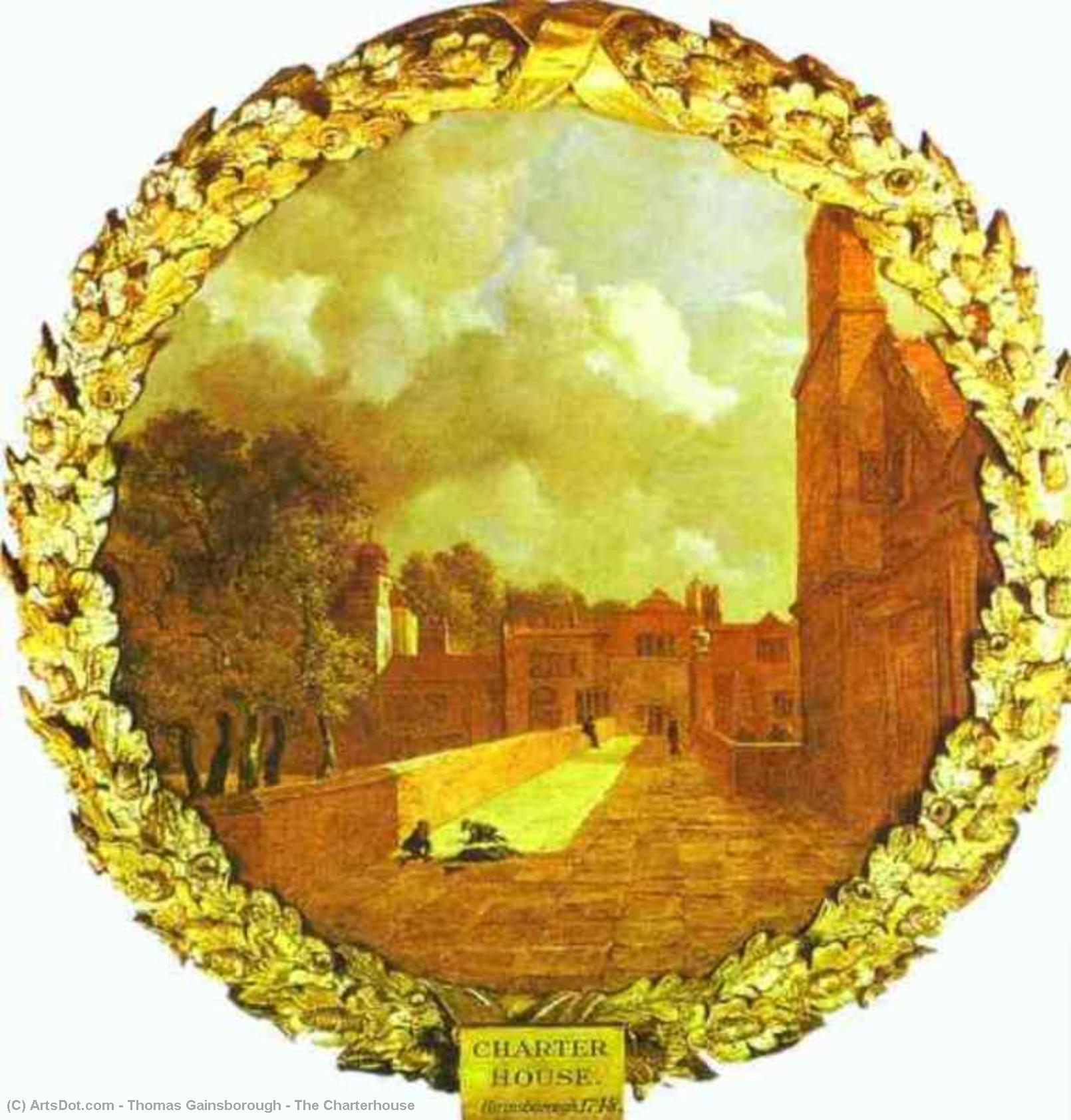
Thomas Gainsborough's *The Charterhouse*, painted in 1748, is more than just a depiction of an educational institution; it’s a captivating window into the social and architectural sensibilities of Enlightenment-era England. This oil on canvas offers a serene portrayal of the Charterhouse school in London, revealing Gainsborough’s burgeoning talent for landscape and his keen eye for capturing both grandeur and everyday life.
Subject & Composition: A Harmonious Blend of Architecture and Humanity
The painting centers around the imposing yet elegant architecture of the Charterhouse building itself, distinguished by its prominent clock tower. Gainsborough doesn’t simply present a static architectural study; he populates the scene with figures strolling along a pathway leading towards the school. This inclusion of human activity imbues the work with a sense of life and movement, preventing it from feeling cold or impersonal. The composition is carefully balanced – the building commands attention, yet the surrounding landscape provides a softening counterpoint. The circular format, reminiscent of a medallion, adds to the painting’s decorative quality and suggests a commemorative purpose.
Style & Technique: Early Gainsborough's Artistic Flourish
*The Charterhouse* exemplifies Gainsborough’s early style – a blend of meticulous detail and an emerging looseness that would become his hallmark. While still exhibiting the influence of earlier masters, particularly in its architectural precision, we see hints of the fluid brushwork and atmospheric effects he'd later perfect.
Key characteristics include:
- A warm, inviting color palette dominated by earthy tones and subtle blues, creating a sense of tranquility.
- Precise rendering of architectural details – the stonework, windows, and clock tower are depicted with remarkable accuracy.
- The use of light to define form and create depth, though less dramatic than in his later landscapes, it’s skillfully employed to highlight key elements.
Gainsborough's technique demonstrates a mastery of oil paint application, creating texture and dimension. The painting isn’t about bold statements; it’s about subtle harmonies and refined observation.
Historical Context & Symbolism: Education, Stability, and Legacy
The Charterhouse itself held significant historical weight in 1748. Originally founded as a Carthusian monastery in the 14th century, it had been repurposed as a school for boys by this time. Therefore, the painting subtly speaks to themes of education, continuity, and societal transition. The clock tower isn’t merely a decorative element; it symbolizes the passage of time, the importance of order, and the enduring nature of knowledge.
The inclusion of figures suggests the ongoing cycle of learning and the promise of future generations. The overall impression is one of stability and established tradition within a changing world.
Emotional Impact & Interior Design Considerations
*The Charterhouse* evokes a sense of calm contemplation and refined elegance. It’s a painting that invites viewers to pause and appreciate the beauty of both the built environment and the natural world. Its muted color palette and balanced composition make it exceptionally versatile for interior design.
- It would complement traditional interiors, adding a touch of historical sophistication.
- In more contemporary spaces, it can serve as a grounding element, introducing warmth and texture.
- The circular format makes it particularly well-suited for smaller rooms or as part of a gallery wall arrangement.
A high-quality reproduction of *The Charterhouse* offers an opportunity to bring a piece of 18th-century England into your home, fostering a sense of timeless beauty and intellectual curiosity. It’s a work that rewards close viewing and continues to resonate with audiences centuries after its creation.