Experience the quiet contemplation of Thomas Le Clear's 19th-century portrait, capturing autumnal grace and boyhood reflection for your collection.
Thomas Le Clear (1818-1882) was an American portrait & genre painter known for his captivating scenes of childhood and prominent figures like Millard Fillmore. A founding member of the Buffalo Fine Arts Academy, explore his 19th-century masterpieces.
Explore The Metropolitan Museum of Art: 5,000 years of art from around the world! Discover masterpieces, ancient artifacts & immersive exhibitions – a global art destination awaits.
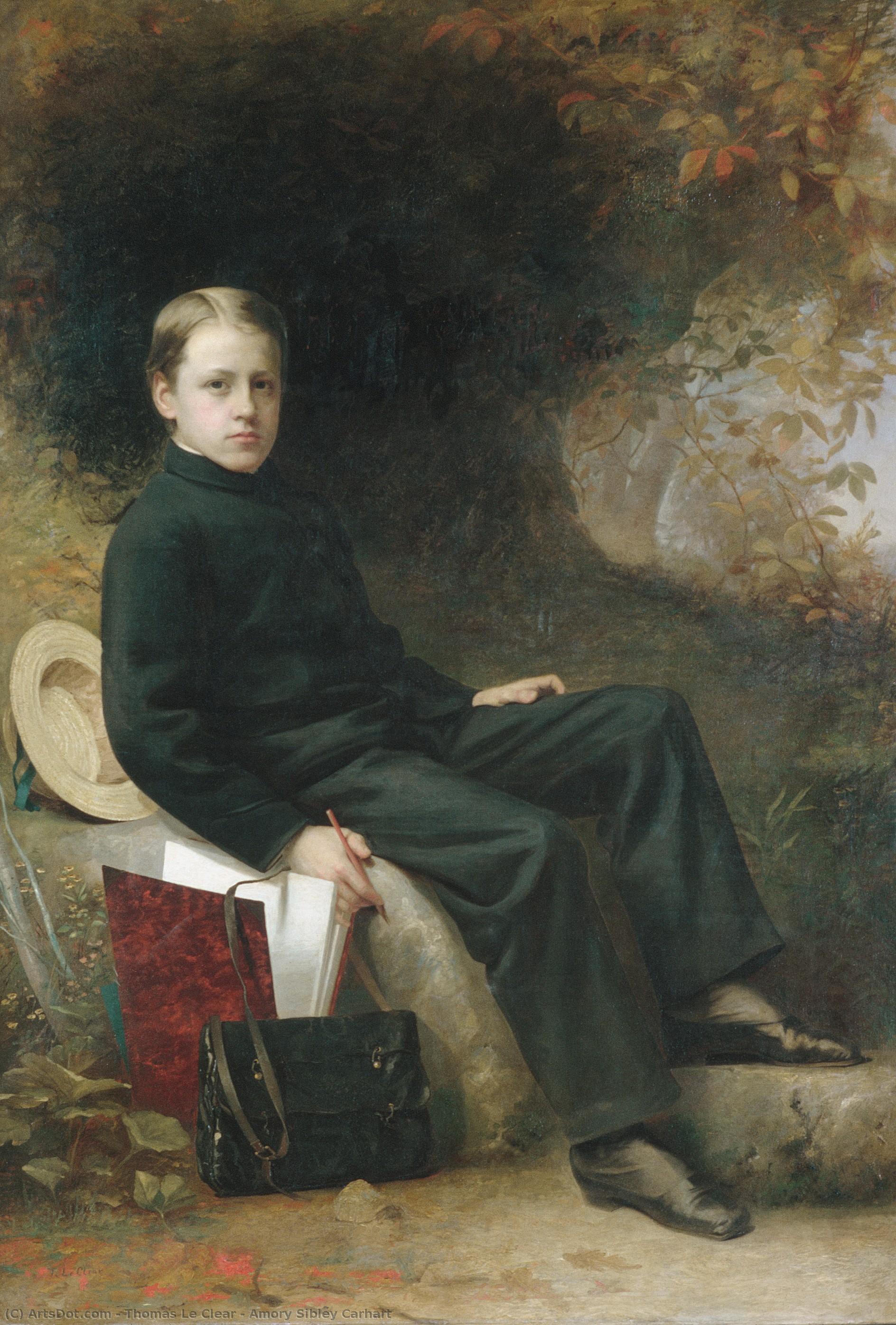
A Moment Frozen in Autumnal Grace: Thomas Le Clear’s Portrait of Amory Sibley Carhart
The painting “Amory Sibley Carhart” by Thomas Le Clear, created around 1860-65 and currently residing within The Metropolitan Museum of Art's American Wing collection (Object Number: 64.220.3), transcends mere representation; it embodies a profound stillness—a snapshot of boyhood captured against the backdrop of New York’s vibrant autumn landscape. Le Clear, eschewing formal training in favor of relentless self-study and observation, established himself as a distinctive voice within the burgeoning American art scene of the Victorian era. His artistic philosophy prioritized capturing essence rather than meticulous detail, resulting in works imbued with an undeniable emotional resonance.
The composition centers on a young boy—likely Amory Sibley Carhart—seated upon a weathered rock amidst a grove of trees ablaze with hues of russet and gold. Le Clear’s masterful use of oil paint on canvas lends itself to capturing the subtle nuances of light and texture, creating an atmosphere that feels both tangible and dreamlike. The artist skillfully employs chiaroscuro – dramatic contrasts between light and dark – to sculpt the boy's form and illuminate his face, drawing the viewer’s gaze directly into his contemplative expression. This deliberate technique underscores Le Clear’s intention to convey not just a likeness but also an inner state of quiet reflection.
Beyond its technical prowess, “Amory Sibley Carhart” speaks volumes about the cultural anxieties and aspirations of its time. The Victorian preoccupation with childhood innocence—a concept championed by thinkers like Rousseau—is powerfully visualized here. The boy’s posture exudes confidence yet simultaneously conveys vulnerability; he is absorbed in reading, suggesting a yearning for knowledge and intellectual engagement amidst the beauty of nature. Furthermore, the inclusion of a small black bag – likely intended to hold books or perhaps a personal item – subtly hints at the complexities of identity formation during adolescence.
The overarching symbolism within the painting extends beyond individual characterization. The dominant autumnal foliage serves as a poignant reminder of transience and mortality—a visual metaphor for the passage of time and the inevitable decline of youthful vigor. Yet, Le Clear’s careful rendering of the landscape imbues it with serenity and restorative power, suggesting that beauty can offer solace even in the face of hardship. It's a scene designed to inspire contemplation on themes of growth, experience, and the enduring value of inner peace.
The painting’s signature “Thomas Le Clear” and date "1860" serve as anchors to its historical context—a testament to Le Clear’s dedication to preserving his artistic vision for posterity. The Met's ongoing commitment to Open Access ensures that this masterpiece remains accessible to scholars and enthusiasts alike, fostering a continued appreciation for Victorian art and the enduring legacy of Thomas Le Clear’s singular talent.