Explore the life & art of Thomas Sully (1783-1872), a British-American portrait painter famed for his Romantic style. Discover portraits of Jefferson, Adams, Lafayette & 'Passage of the Delaware'.
Explore The Metropolitan Museum of Art: 5,000 years of art from around the world! Discover masterpieces, ancient artifacts & immersive exhibitions – a global art destination awaits.
A Portrait Steeped in Reflection: Thomas Sully’s Self-Portrait
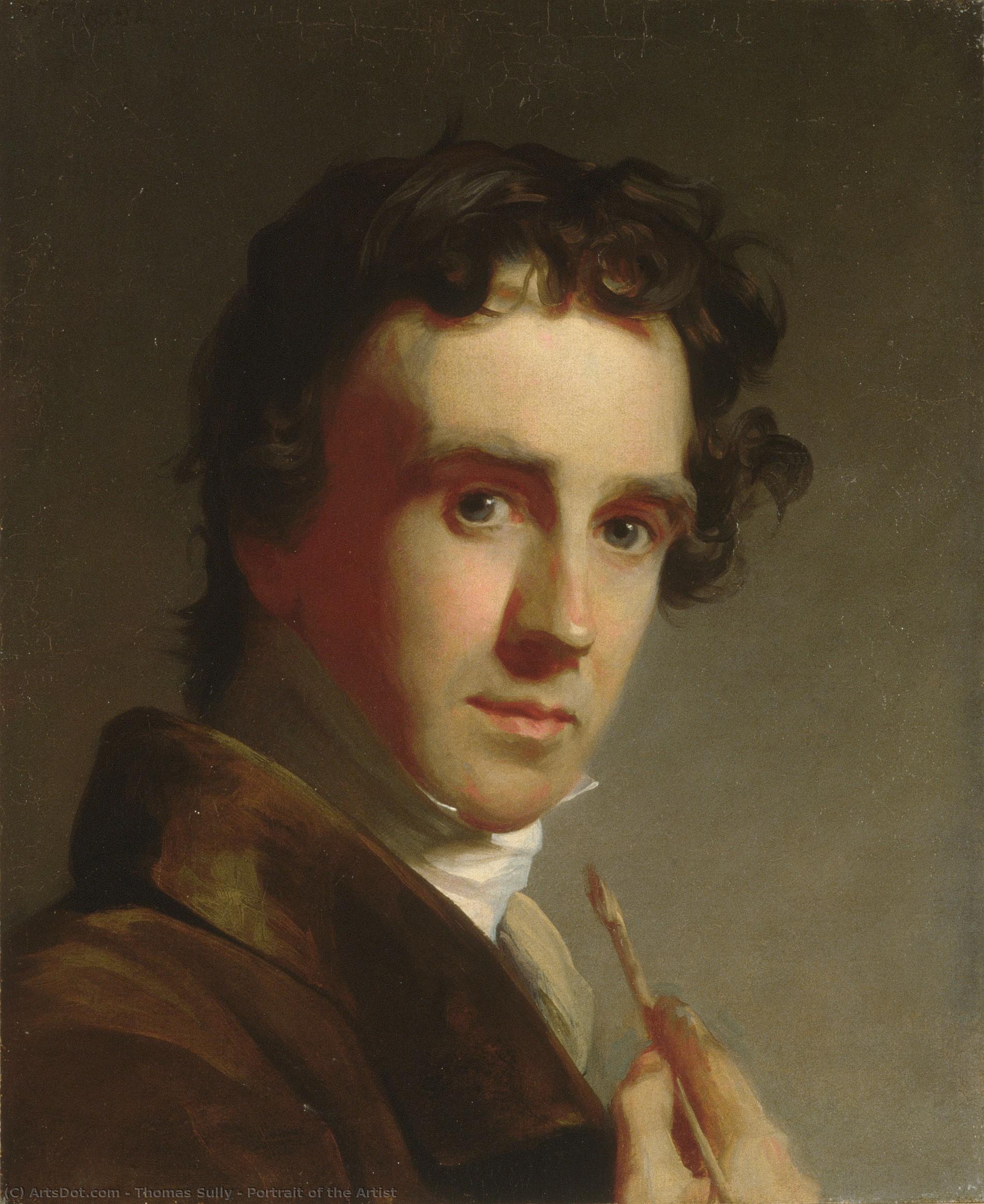
Thomas Sully's "Portrait of the Artist," completed in 1821, transcends mere representation; it embodies a pivotal moment in American artistic identity. Executed during his formative years as a painter—a period marked by transatlantic influences and burgeoning Romantic sensibilities—this work offers a glimpse into both the artist’s personal vision and the broader cultural landscape of early 19th-century Baltimore. Sully, born in Horncastle Lincolnshire in 1783, arrived in Charleston, South Carolina with his family as a young boy, immersing himself in the theatrical world before dedicating himself to capturing visual narratives. His apprenticeship instilled meticulous attention to detail, yet it was Charles Fraser’s guidance that truly nurtured his artistic spirit.
- Subject Matter: The portrait depicts Sully himself, seated at his easel, holding a paintbrush poised above his head—a deliberate gesture echoing the stylistic conventions of Benjamin West and signaling an awareness of artistic precedent.
- Style & Technique: Sully’s approach is characterized by restrained brushwork blended with remarkable painterly spontaneity. This technique prioritizes capturing the immediacy of observation and conveying emotion through subtle tonal variations.
- Historical Context: Created during a time of significant cultural exchange between Britain and America, “Portrait of the Artist” reflects the Romantic movement’s fascination with introspection and psychological depth—themes central to Sully's artistic explorations.
Symbolism Within Stillness
The inclusion of a clock mounted on the wall serves as more than just decorative embellishment; it symbolizes time – not merely chronological progression, but also the artist’s contemplation of his craft and its enduring legacy. This element underscores the Romantic preoccupation with capturing fleeting moments and conveying profound emotional resonance. Furthermore, Sully's careful positioning of himself within the frame speaks to the artist’s self-awareness and ambition—a desire to immortalize not only his likeness but also the spirit of artistic endeavor itself.
Influence & Legacy
Sully’s masterful adaptation of Benjamin West’s compositional strategy demonstrates the interconnectedness of artistic traditions during this era. The influence of British Romanticism is palpable in Sully's restrained palette and expressive brushstrokes, yet he maintains a distinctly American perspective—evident in his confident gaze and subtle portrayal of inner contemplation. “Portrait of the Artist” remains an enduring testament to Sully’s skill as a painter and a symbol of the burgeoning artistic voice within the United States during its formative years. Its reproduction offers collectors and interior designers alike the opportunity to appreciate a masterpiece that captures both technical brilliance and profound human emotion.