Explore the luminous landscapes of Thomas Worthington Whittredge (1820-1910), a key figure in the Hudson River School. Known for atmospheric light & detailed scenery, his paintings capture the beauty of America's wilderness. View works at The Met & S
Explore The Metropolitan Museum of Art: 5,000 years of art from around the world! Discover masterpieces, ancient artifacts & immersive exhibitions – a global art destination awaits.
Evening in the Woods: A Symphony of Light and Tranquility
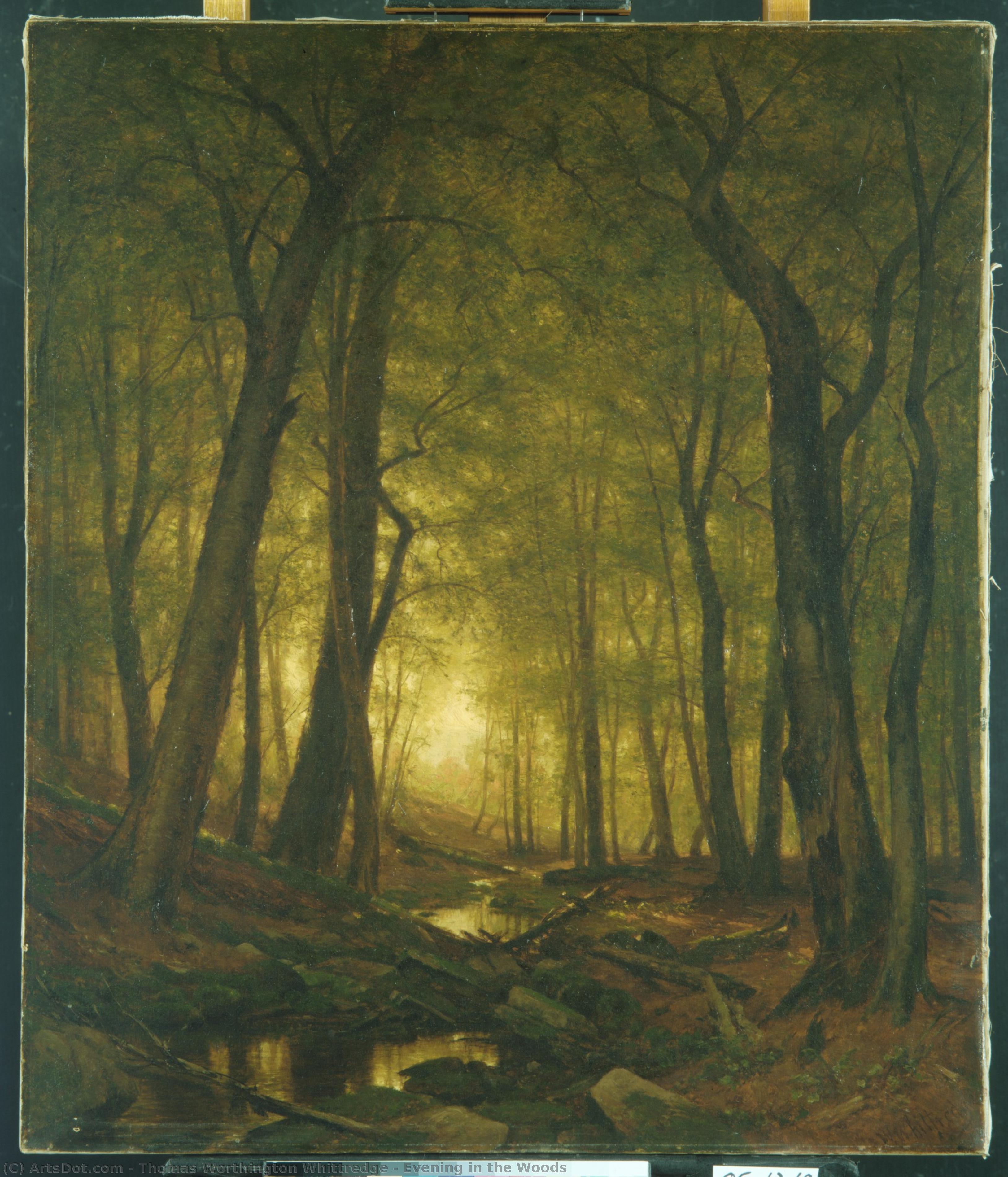
Thomas Worthington Whittredge’s “Evening in the Woods,” completed in 1876, stands as a quintessential example of Luminist painting—a movement that championed precise observation of natural landscapes bathed in soft, diffused light. This stunning depiction captures not merely a visual representation but an emotional resonance deeply rooted in the American Romantic tradition.
- Subject Matter: Whittredge meticulously portrays a serene forest scene at twilight. Dominating the composition are towering trees—their trunks rendered with remarkable detail—creating a palpable sense of depth and scale. A gentle stream winds its way through the undergrowth, reflecting the fading sunlight and adding to the overall tranquility.
- Style & Technique: Whittredge’s approach aligns perfectly with Luminist principles. He eschewed dramatic chiaroscuro (strong contrasts between light and dark) favored by earlier Romantic painters, opting instead for a subtle gradation of tones that mimics the atmospheric conditions of dusk. The artist employed meticulous brushwork—often blending colors seamlessly—to achieve an ethereal quality, capturing the fleeting beauty of the moment.
- Historical Context: Painted during the height of the Hudson River School’s influence, “Evening in the Woods” reflects a broader artistic preoccupation with elevating nature as a source of moral inspiration. Whittredge's work aligns with the movement's belief that art should strive to depict the sublime—the awe-inspiring grandeur of God’s creation—and foster contemplation.
- Symbolism: The forest itself symbolizes resilience, solitude, and connection to the natural world. The stream represents purity and renewal, mirroring the cyclical rhythms of life. Furthermore, the boat serves as a visual cue for exploration and discovery – inviting viewers to immerse themselves in the scene’s peaceful atmosphere.
- Emotional Impact: Whittredge's masterful use of light evokes feelings of calm, serenity, and contemplation. The painting transports the viewer to a place of profound stillness, encouraging introspection and appreciation for the simple beauty of nature. It is precisely this emotive power that distinguishes “Evening in the Woods” as an enduring masterpiece.
A reproduction of Whittredge’s “Evening in the Woods” would bring a touch of Luminist elegance to any interior space—capturing the spirit of American Romanticism and celebrating the transformative effects of natural light. Explore this exceptional artwork at ArtsDot.