Titian
(1490 - 1576)
Titian (1488-1576): Venetian master of color & light, renowned for his portraits, mythological scenes, and innovative painting techniques. Explore a life of artistic brilliance.
Explore the Louvre Museum in Paris! Home to iconic masterpieces like the Mona Lisa & Venus de Milo, journey through art history from ancient Egypt to Renaissance icons. Plan your visit today!
A Moment Frozen in Time: Exploring Titian’s “Crowning with Thorns”
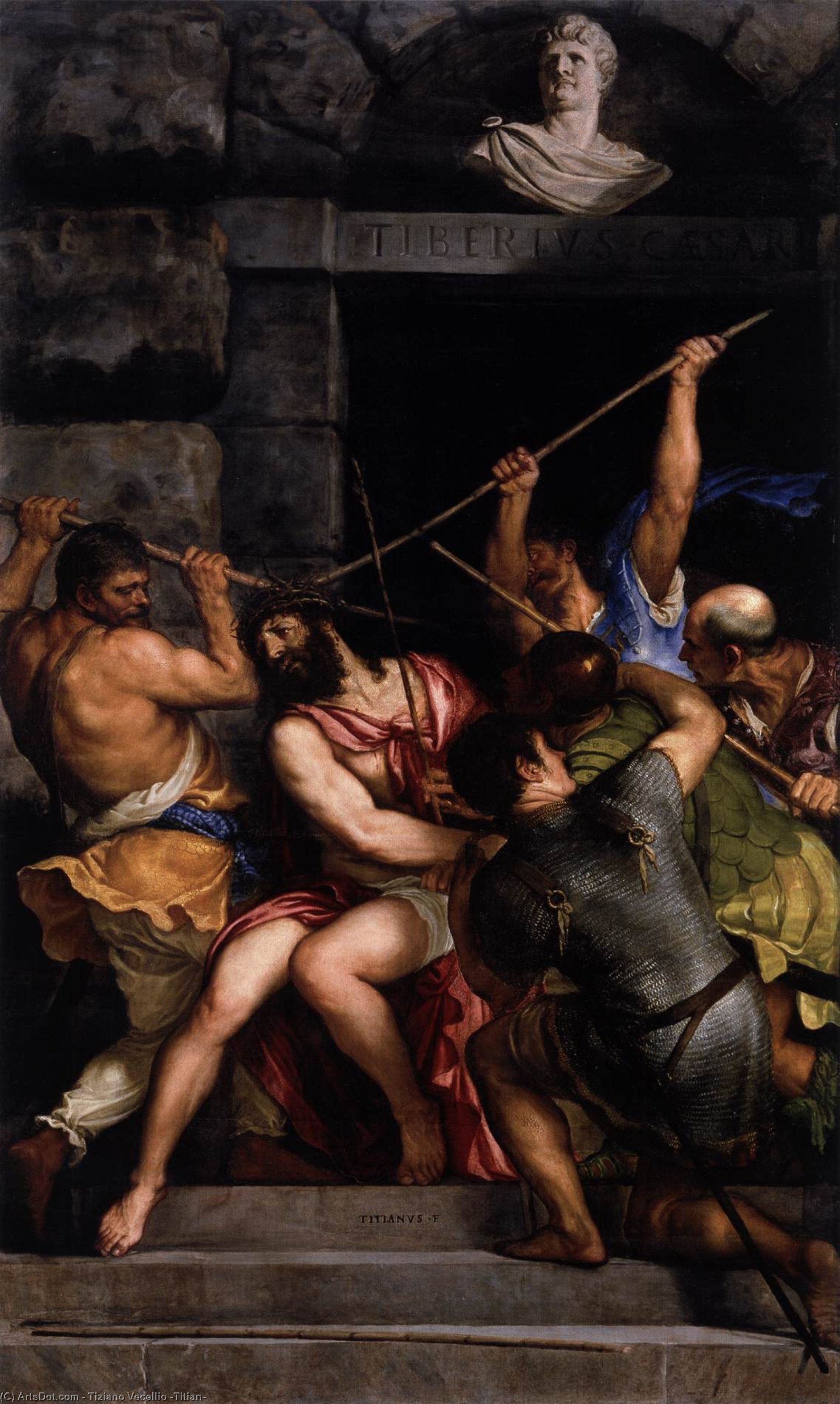
The Venetian Renaissance flourished under the patronage of powerful families like the Farnese, and it was during this era that Titian produced arguably his most poignant depiction of Christian iconography – “Crowning with Thorns.” Painted in 1542, this unassuming canvas transcends its modest dimensions (303 x 181 cm) to deliver a profound meditation on suffering and sacrifice, skillfully executed by one of the masters of color. While scholarly debate continues regarding its precise provenance—whether it’s an original work or a masterful imitation—there's no denying the painting’s enduring beauty and artistic significance.
The Biblical Narrative Illuminated
At its core lies the familiar story from Matthew 27:1-5 – Jesus Christ being crowned with thorns before his crucifixion. Titian doesn’t strive for dramatic grandeur; instead, he presents a scene of quiet dignity amidst palpable tension. The composition centers around Jesus himself, positioned centrally and bathed in soft light, symbolizing divine grace despite impending doom. Surrounding him are figures engaged in a struggle – soldiers attempting to adorn him with thorny branches—representing earthly opposition to God’s will. Two swords flank the central figure, emphasizing the violence inherent in the narrative yet simultaneously highlighting the spiritual battle being waged.
A Symphony of Color and Texture
Titian's genius lies not merely in capturing the biblical tale but in transforming it into a visual experience through his unparalleled mastery of color and technique. Executed in oil paint on canvas, he employed alla prima—a method where pigment is applied directly to the surface without extensive layering—resulting in remarkable luminosity and vibrancy. The palette is dominated by delicate shades of pink and luminous golds, creating an ethereal atmosphere that contrasts sharply with the darker tones representing the thorns and the struggle. Notice how Titian skillfully blends colors to achieve subtle gradations and textures, conveying a sense of realism while elevating the scene beyond mere representation.
Symbolism Beyond the Surface
“Crowning with Thorns” is rich in symbolic meaning. The thorns themselves represent humility and suffering—a deliberate allusion to Jesus’s willingness to endure pain for humanity's salvation. The golden hues symbolize divinity, righteousness, and hope – reminders of God’s eternal glory amidst earthly trials. Furthermore, the swords signify both physical violence and spiritual warfare, encapsulating the overarching theme of faith confronting adversity. Titian subtly communicates these concepts through his masterful use of color and composition, inviting viewers to contemplate the profound implications of Christian belief.
An Artistic Legacy Enduring Through Reproduction
Today, a high-quality reproduction of “Crowning with Thorns” offers art lovers and interior designers alike an opportunity to experience the brilliance of Titian’s vision. ArtsDot.com presents meticulously crafted reproductions that faithfully capture the painting's luminous colors and textural nuances—allowing you to bring this iconic artwork into your home or workspace, fostering contemplation and appreciation for one of the greatest achievements of Renaissance art.