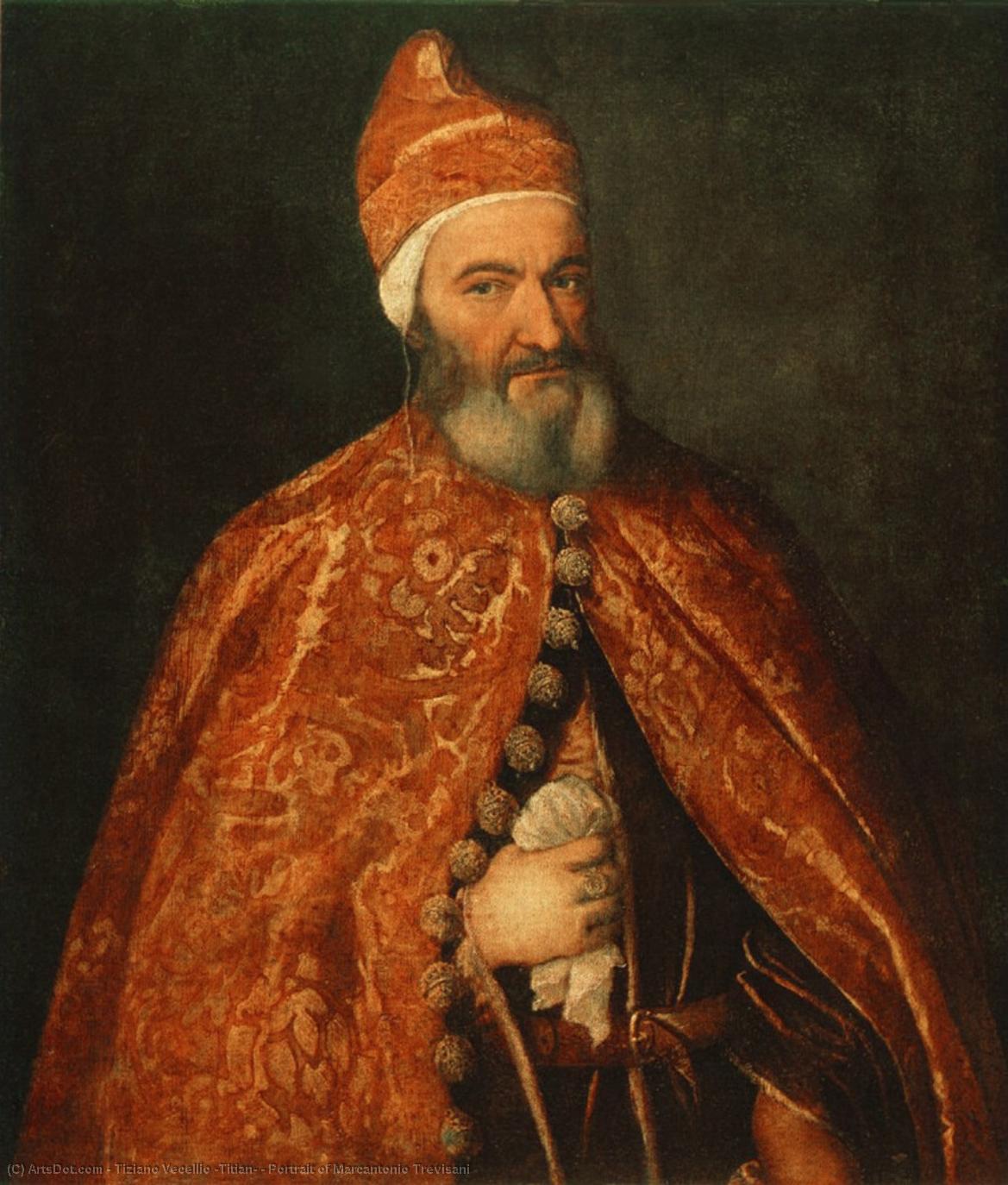
Admire Titian’s masterful Portrait of Marcantonio Trevisani – a stunning 1554 oil on canvas masterpiece housed in Budapest's Museum of Fine Arts, showcasing Venetian Renaissance artistry.
Titian
(1490 - 1576)
Titian (1488-1576): Venetian master of color & light, renowned for his portraits, mythological scenes, and innovative painting techniques. Explore a life of artistic brilliance.
Explore European art history at Budapest's Szépművészeti Múzeum! Discover ancient treasures & masterpieces within a stunning neoclassical palace – a cultural gem awaits.
A Portrait Steeped in Dignity and Venetian Grandeur
The Portrait of Marcantonio Trevisani, executed by Titian Vecellio in 1554, transcends mere representation; it embodies the spirit of Renaissance Venice—a city pulsating with papal patronage and artistic ambition. Currently residing within the Museum of Fine Arts in Budapest, Hungary, this monumental oil on canvas painting offers a glimpse into the opulent world of Venetian nobility and stands as a cornerstone of Titian’s oeuvre, cementing his reputation as one of the foremost painters of his era.
Subject Matter and Composition
The portrait depicts Marcantonio Trevisani, Archbishop of Zagreb (later Cardinal), a figure of considerable influence within the Catholic Church during the turbulent Reformation period. Trevisani is portrayed in regal attire—a crimson robe adorned with shimmering gold embroidery—a deliberate choice reflecting his ecclesiastical status and symbolizing piety and authority. His posture exudes confidence and solemnity, conveying a sense of dignified contemplation as he holds aloft a white cloth – a gesture that speaks to both humility and reverence. Titian’s masterful composition centers Trevisani squarely within the frame, directing the viewer's gaze directly at him, creating an immediate connection between subject and observer. The careful arrangement of drapery contributes to the overall balance and grandeur of the piece, emphasizing Trevisani’s commanding presence.
Titian’s Technique: Mastering Color and Light
Titian’s unparalleled skill in manipulating color is immediately apparent upon encountering this portrait. He employed a technique known as *sfumato*, pioneered by Leonardo da Vinci, which softens outlines and blends colors seamlessly to achieve an ethereal luminosity. This masterful application of light creates subtle gradations across Trevisani's face and robe, lending depth and realism to the depiction. The artist meticulously layered thin glazes of pigment upon each other—a painstaking process that demanded considerable patience and precision—resulting in a surface texture that is remarkably smooth yet imbued with vibrant hues. The rich reds dominate the palette, mirroring the symbolism of papal power and conveying an aura of warmth and majesty.
Historical Context: Venice Amidst Religious Reformation
Painted during the height of Venetian artistic flourishing, this portrait reflects the anxieties and aspirations of its time. Venice was a bastion of Catholic conservatism amidst the burgeoning Protestant Reformation, and Trevisani’s commission underscores the importance of religious iconography in shaping cultural identity. Titian's work served as inspiration for many artists of his generation, establishing a precedent for portraying prominent figures with psychological nuance and artistic brilliance. The painting exemplifies the Venetian Renaissance’s fascination with humanist ideals—celebrating human dignity and intellect while simultaneously acknowledging divine grace.
Symbolism: Dignity, Faith, and Regal Power
Beyond its visual splendor, the Portrait of Marcantonio Trevisani is laden with symbolic significance. The crimson robe symbolizes papal authority and spiritual piety, highlighting Trevisani’s role as a defender of Catholicism. The white cloth represents purity and humility—a subtle counterpoint to the grandeur of his attire—suggesting an inner moral compass aligned with Christian virtues. Titian's deliberate gaze directs the viewer inward, prompting contemplation on themes of faith, honor, and leadership.
Emotional Impact: A Window into Renaissance Idealism
The portrait’s enduring appeal lies in its ability to evoke a profound sense of admiration for Trevisani’s character and intellect. The artist captures not merely his physical appearance but also the essence of his personality—a solemn countenance conveying unwavering conviction and dignity. Viewing this masterpiece transports us back to Venice's golden age, reminding us of the enduring power of art to illuminate human experience and inspire contemplation on timeless ideals. It remains a testament to Titian’s genius and a captivating emblem of Renaissance artistic achievement.