A Venetian Echo in American Vision
Titian Ramsay Peale II’s “Emperor Charles V,” completed in 1548, stands as a testament to the enduring influence of Renaissance ideals within the burgeoning artistic landscape of early America. Born into a lineage steeped in portraiture – his father, Charles Willson Peale, established Philadelphia's first museum and championed the humanist tradition – Titian’s artistic sensibilities were undeniably shaped by the grandeur and precision of Venetian painting.
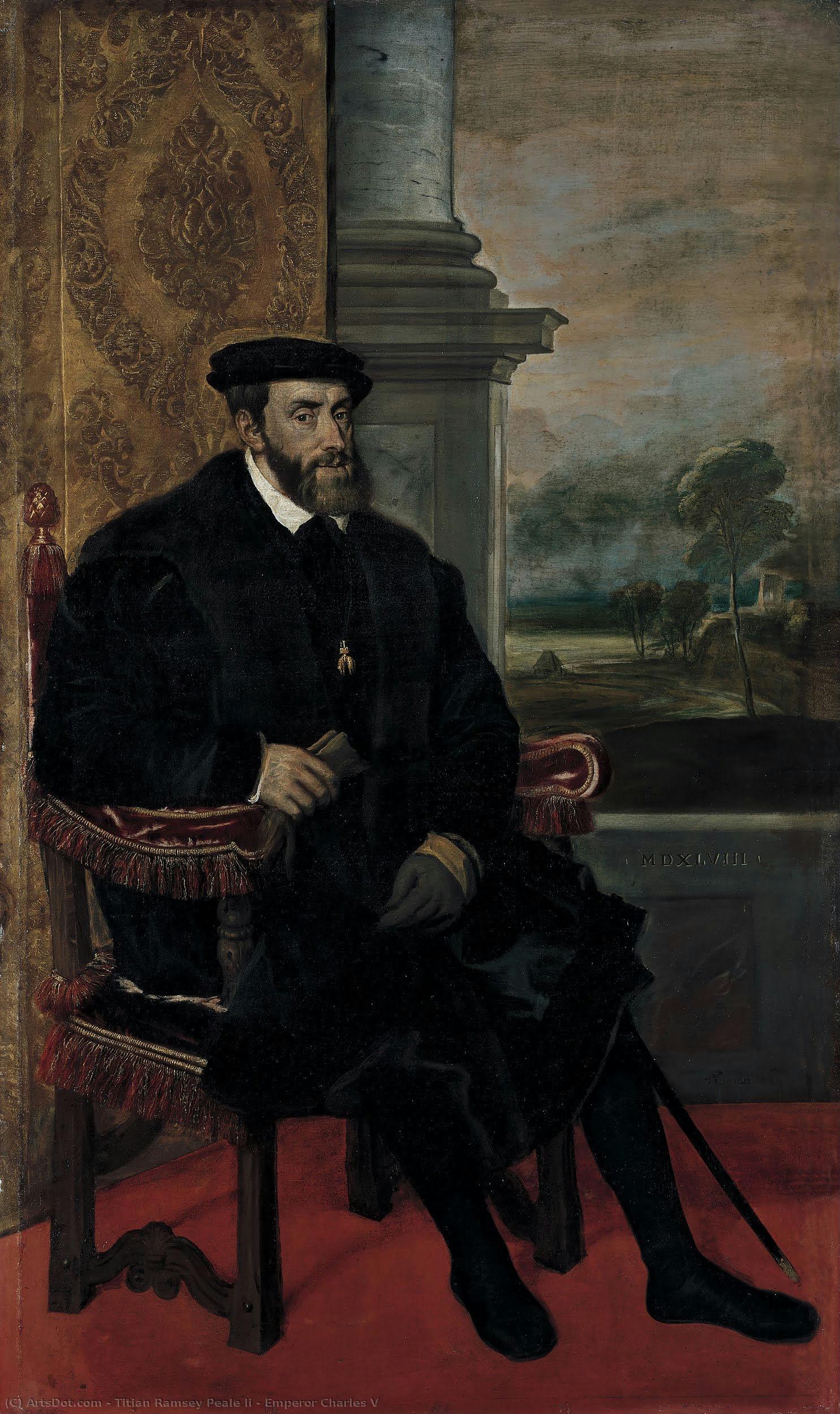
- Subject Matter: The portrait depicts Emperor Charles V, Holy Roman Emperor, capturing him in a dignified pose seated upon a crimson velvet throne. This deliberate choice reflects the imperial status of the sitter and aligns with the conventions of royal portraits prevalent during the period.
- Style & Technique: Peale II skillfully employs oil paint on canvas, utilizing meticulous layering and glazing techniques characteristic of Venetian masters like Titian himself. The artist’s attention to detail is evident in the rendering of Charles V's clothing – a dark robe adorned with opulent gold embroidery – mirroring the sumptuous fabrics favored by European royalty.
- Historical Context: Painted during Charles V’s reign, “Emperor Charles V” encapsulates the anxieties and aspirations surrounding the Habsburg dynasty’s dominance across Europe. The artwork serves as a visual record of an era defined by religious conflict (the Reformation) and political maneuvering, reflecting the broader cultural currents of its time.
Symbolism Beyond Representation: More than just a likeness, Peale II imbues the portrait with symbolic significance. The sword prominently displayed symbolizes imperial authority and power—a visual declaration of Charles V’s dominion. Furthermore, the backdrop featuring stylized trees harkens back to classical ideals of harmony and balance, mirroring the Renaissance fascination with nature as a source of moral inspiration.
Emotional Resonance: “Emperor Charles V” transcends mere visual depiction; it evokes a sense of solemn grandeur and contemplative dignity. The artist’s masterful use of color – particularly the rich reds of the throne drapery – contributes to an atmosphere of regal splendor, inviting viewers to contemplate the complexities of leadership and legacy. It's a piece that speaks not only to the historical moment but also to the enduring human desire for beauty and contemplation.