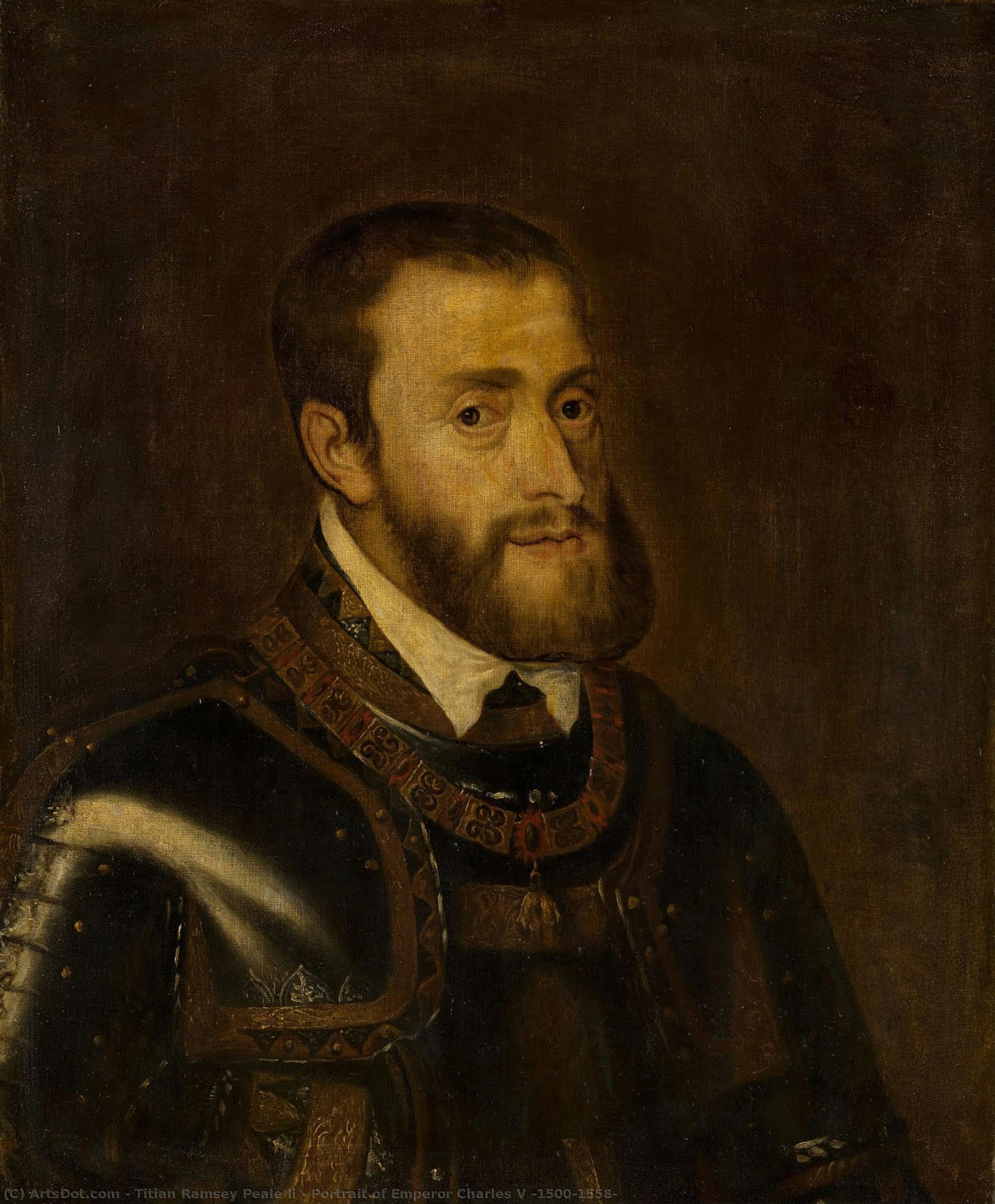
A regal portrait of Emperor Charles V by Titian Ramsay Peale II captures the profound dignity of the High Renaissance through masterful Venetian-inspired techniques, inviting you to explore this timeless masterpiece.
Explore Titian Ramsay Peale II (1799-1885), an American artist & naturalist blending High Renaissance artistry with scientific observation. Discover his stunning wildlife paintings and legacy.
Mauritshuis
(The Hague, Netherlands)
Discover Dutch Golden Age masterpieces at Mauritshuis! Explore Vermeer’s *Girl with a Pearl Earring* & Rembrandt’s drama in this intimate palace of art. A unique, compact experience awaits!
A Renaissance Reverie Transformed: Titian Ramsay Peale II’s Portrait of Emperor Charles V
The canvas holds a quiet dignity, radiating an aura of imperial authority—a testament to the enduring influence of Venetian artistic ideals in the burgeoning American landscape. This striking portrait of Emperor Charles V, executed by Titian Ramsay Peale II, transcends mere likeness; it embodies a profound engagement with the stylistic conventions established centuries earlier by masters like Raphael and Michelangelo. Peale’s meticulous approach isn't simply copying tradition; he is channeling its spirit, meticulously capturing the regal bearing of the Holy Roman Emperor against a backdrop that speaks volumes about his time. The portrait captures the emperor's facial features with exquisite detail, from the textured presence of his beard to the piercing gaze that seems to look directly at the viewer, creating an impression of being engaged in a silent, momentous conversation.
The Venetian Legacy: Style and Technique
Peale II’s artistic sensibilities firmly anchored him within the High Renaissance tradition. Like many artists of his era who sought inspiration from Italy, he prioritized tonal harmony and subtle color gradations—techniques honed by generations of Venetian painters. The subdued palette, predominantly composed of dark browns and ochres, serves not merely as a visual grounding but actively contributes to conveying the emperor’s solemn presence. One cannot help but notice the masterful blending of pigments, achieved through delicate glazing layers that imbue the portrait with an ethereal luminescence despite its darkened surroundings. This technique—a cornerstone of Venetian painting—allowed Peale II to achieve remarkable depth and realism, capturing the heavy texture of Charles V's attire and his weathered facial features with astonishing accuracy. For the discerning collector or interior designer, this interplay of light and shadow offers a sophisticated focal point that brings a sense of classical weight and timelessness to any space.
Historical Context and Emotional Resonance
Painted during a period of significant cultural transformation in the United States, this portrait emerged while the burgeoning nation was grappling with questions of identity and aspiration, mirroring the anxieties surrounding the decline of European empires. Charles V’s reign represented the zenith of Habsburg power—a symbol of Christendom and vast territorial dominion. By revisiting this historical icon, Peale II bridged the gap between Old World reverence and New World expression. The composition creates a profound sense of importance and authority, making it more than just a piece of art; it is a window into an era of monumental shifts. To possess such a reproduction is to invite a piece of history into one's home, offering an emotional impact that is both grounding and inspiring, evoking the grandeur of a lost age through the lens of American artistic innovation.