A Venetian Echo in American Eyes: Exploring Titian Ramsay Peale II’s “Violante”
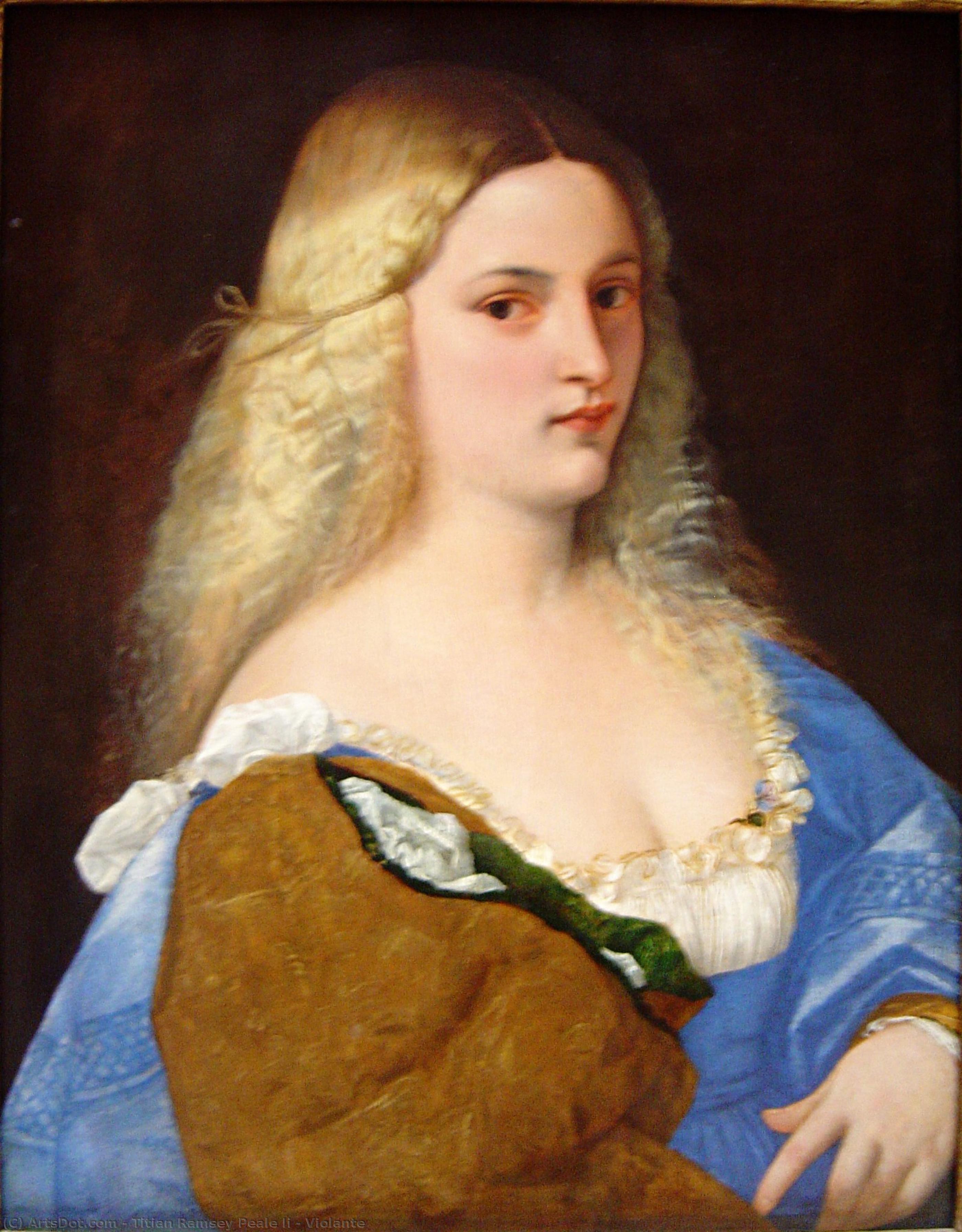
The painting "Violante," executed by Titian Ramsay Peale II in 1818, stands as a testament to the enduring influence of Renaissance artistic principles within the burgeoning landscape of 19th-century America. Born into a family deeply connected to the legacy of Charles Willson Peale—a titan of early American portraiture and founder of Philadelphia’s Museum Kunst und Industrie—Titian Ramsay Peale II inherited not just familial renown but also an unwavering devotion to classical aesthetics, specifically those championed by Venetian masters like Titian himself. This connection is palpable in “Violante,” where the artist meticulously recreates a style characterized by luminous color palettes and painstaking detail, distinguishing it from many of his contemporaries who favored looser brushstrokes and paler hues.
- Subject Matter: The portrait depicts Violante Bonaparte, Napoleon’s youngest daughter, capturing her serene gaze and dignified posture with remarkable precision. Peale skillfully portrays her as a woman of intellect and grace, reflecting the ideals prevalent during the Napoleonic era—a period marked by ambition, grandeur, and an appreciation for refined beauty.
- Style & Technique: “Violante” exemplifies Neoclassical style, prioritizing idealized form and balanced composition. Peale’s technique is masterful; he employs glazing – applying thin layers of translucent paint over underlying colors – to achieve unparalleled luminosity and depth. This method allows for subtle gradations of tone and color, creating an illusionistic effect that draws the viewer into the scene.
The painting's historical context illuminates its significance beyond mere artistic merit. Created during Napoleon’s reign, “Violante” embodies the fascination with antiquity that gripped Europe at the time. Peale consciously sought to emulate the grandeur and elegance of Roman sculpture and architecture, mirroring the aspirations of a nation striving for prestige and cultural sophistication. The inclusion of a green object—likely a fan or cloth—adds a layer of symbolic richness. Green has historically represented fertility, renewal, and tranquility – qualities intended to convey Violante’s youthful vitality and inner peace.
Emotional Impact: “Violante” transcends its formal conventions to evoke a profound sense of contemplation. Peale's careful attention to facial expression captures the quiet dignity of his subject, inviting viewers to engage in an unspoken dialogue about beauty, femininity, and remembrance. The subdued background enhances the portrait’s emotional resonance, emphasizing Violante’s presence as a focal point of visual interest.
Conclusion: Titian Ramsay Peale II's “Violante” isn’t simply a beautiful painting; it’s a conduit to understanding the artistic and intellectual currents shaping America in the early 19th century. Its luminous technique, Neoclassical style, and symbolic elements coalesce into an enduring image of grace and sophistication—a captivating piece for collectors and interior designers alike who appreciate the timeless allure of classical art.