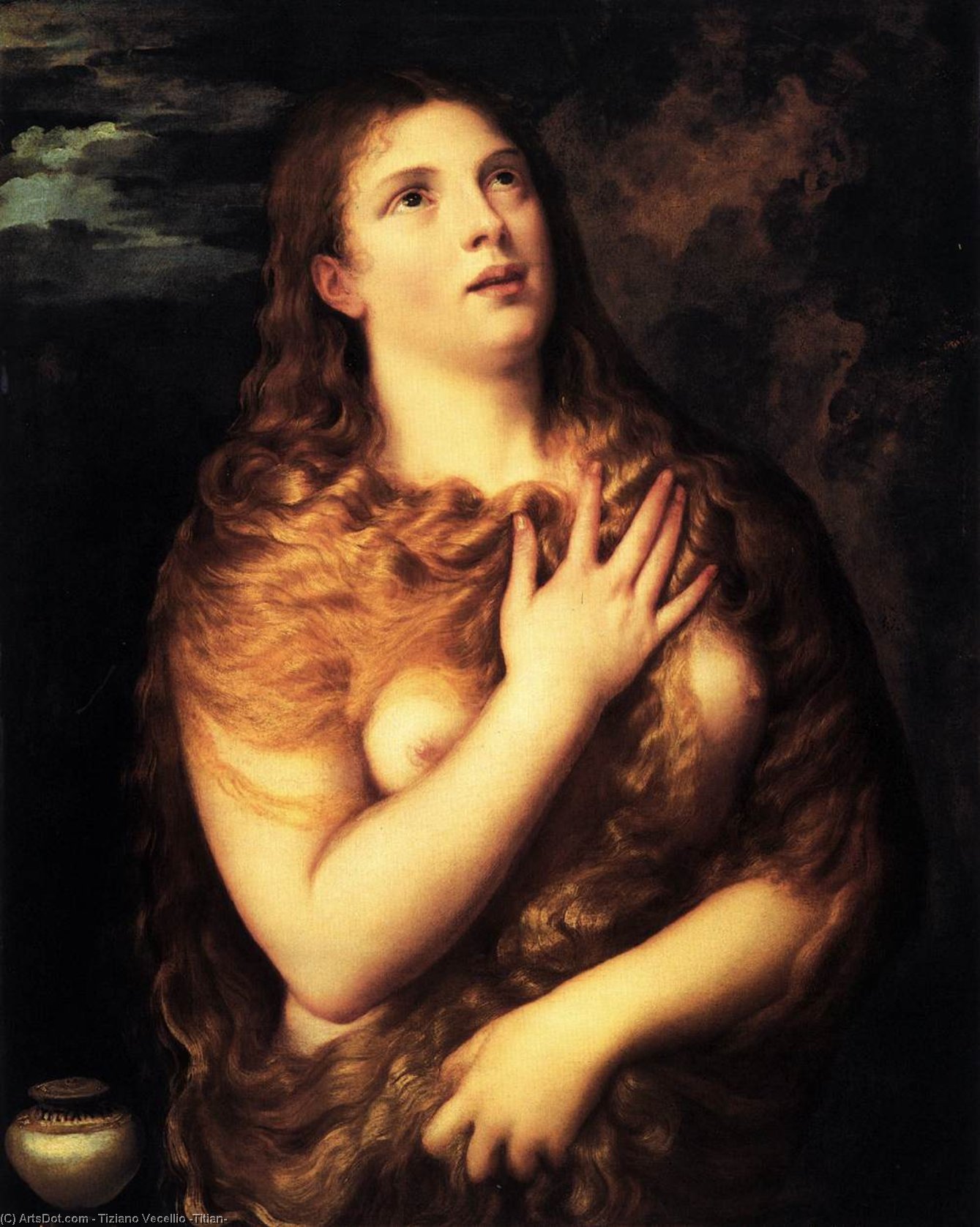
Experience the profound beauty and emotional depth of Titian's St Mary Magdalene – a Renaissance masterpiece showcasing masterful color use and captivating composition at the Pitti Palace Museum.
Titian
(1490 - 1576)
Titian (1488-1576): Venetian master of color & light, renowned for his portraits, mythological scenes, and innovative painting techniques. Explore a life of artistic brilliance.
Delve into Florentine history at Palazzo Vecchio Museum! Admire masterpieces by Michelangelo and Botticelli, explore the Vasari Corridor & ascend Arnolfo's Tower for breathtaking city vistas.
A Portrait of Devotion: Exploring Titian’s St Mary Magdalene
The Venetian Renaissance flourished under the patronage of wealthy families like the Medici and Este, fostering an environment where artistic experimentation thrived. Among the luminaries shaping this era was Tiziano Vecellio – Titian – a painter whose mastery captivated audiences across Europe and cemented his place as one of history’s greatest artists. His monumental canvas, “St Mary Magdalene,” completed in 1532, transcends mere representation; it embodies the spiritual fervor of its time and continues to resonate with viewers centuries later.
Subject Matter and Composition
The painting depicts Saint Mary Magdalene, a figure central to Christian iconography – repentant sinner redeemed by Christ’s crucifixion. Titian skillfully captures her vulnerability and profound sorrow, portraying her as a woman wrestling with inner turmoil yet radiating an unwavering faith. The composition is meticulously balanced: Mary Magdalene dominates the center of the panel, positioned in profile against a backdrop of muted tones that emphasize her solemn gaze. Two vases flank her figure, adding visual interest without distracting from the central subject—a subtle gesture indicative of Titian’s meticulous attention to detail and his understanding of artistic harmony. The artist's deliberate use of perspective draws the viewer into the scene, fostering an intimate connection with the depicted emotion.
Technique: Color and Chiaroscuro – A Venetian Revelation
Titian revolutionized painting technique during his lifetime, establishing himself as a pioneer of chiaroscuro—the dramatic interplay between light and dark—a hallmark of Venetian art. He achieved this breathtaking effect through layering thin glazes of pigment upon each other, creating an illusionistic depth that surpasses mere surface appearance. The palette is remarkably restrained compared to contemporary standards, dominated by earthy reds, ochres, and browns – colors chosen not for flamboyant display but for conveying a sense of solemn dignity. These hues are skillfully contrasted with patches of luminous white, highlighting Mary Magdalene’s face and emphasizing her spiritual radiance. This technique wasn't merely aesthetically pleasing; it served to heighten the emotional impact of the painting, mirroring the psychological complexity of its subject.
Historical Context: Renaissance Spirituality and Artistic Innovation
“St Mary Magdalene” emerged during a period marked by profound religious introspection and artistic ambition. The Catholic Church actively commissioned artworks designed to inspire piety and reaffirm faith—a trend exemplified by Titian’s commission from Cardinal Giovanni Bembo, who sought to honor Saint Mary Magdalene as a symbol of repentance and divine grace. Simultaneously, Titian pushed the boundaries of artistic convention, rejecting the rigid formalism favored by some of his contemporaries and embracing a humanist sensibility that prioritized emotional expression alongside technical virtuosity. His work stands as a testament to the transformative power of art during the Renaissance—a period where artists sought not only to depict reality but also to convey profound spiritual truths.
Symbolism: Light, Sorrow, and Redemption
Beyond its formal beauty, “St Mary Magdalene” is laden with symbolic significance. The muted colors contribute to an atmosphere of melancholy, reflecting Mary Magdalene’s sorrowful contemplation of her past sins. However, the luminous white highlights on her face symbolize divine grace—the promise of redemption offered by Christ's sacrifice. The vases serve as visual anchors, grounding the composition and reinforcing the painting’s contemplative mood. Titian’s masterful use of symbolism elevates “St Mary Magdalene” beyond a simple portrait; it becomes an emblem of spiritual transformation and enduring faith – themes that continue to captivate audiences today.
Emotional Impact: A Window into Renaissance Soul
Viewing “St Mary Magdalene” evokes a powerful response—a feeling of empathy for the depicted figure’s inner struggles and admiration for Titian's artistic brilliance. The painting transcends time, transporting us back to the heart of the Renaissance, where artists wrestled with questions of faith, morality, and human experience. Its enduring appeal lies in its ability to capture the essence of human emotion—sorrow, repentance, and ultimately, hope—a testament to Titian’s unparalleled skill in conveying profound psychological depth through visual artistry.