A Dance of Desire: Titian’s “Venus and Adonis” – A Renaissance Masterpiece
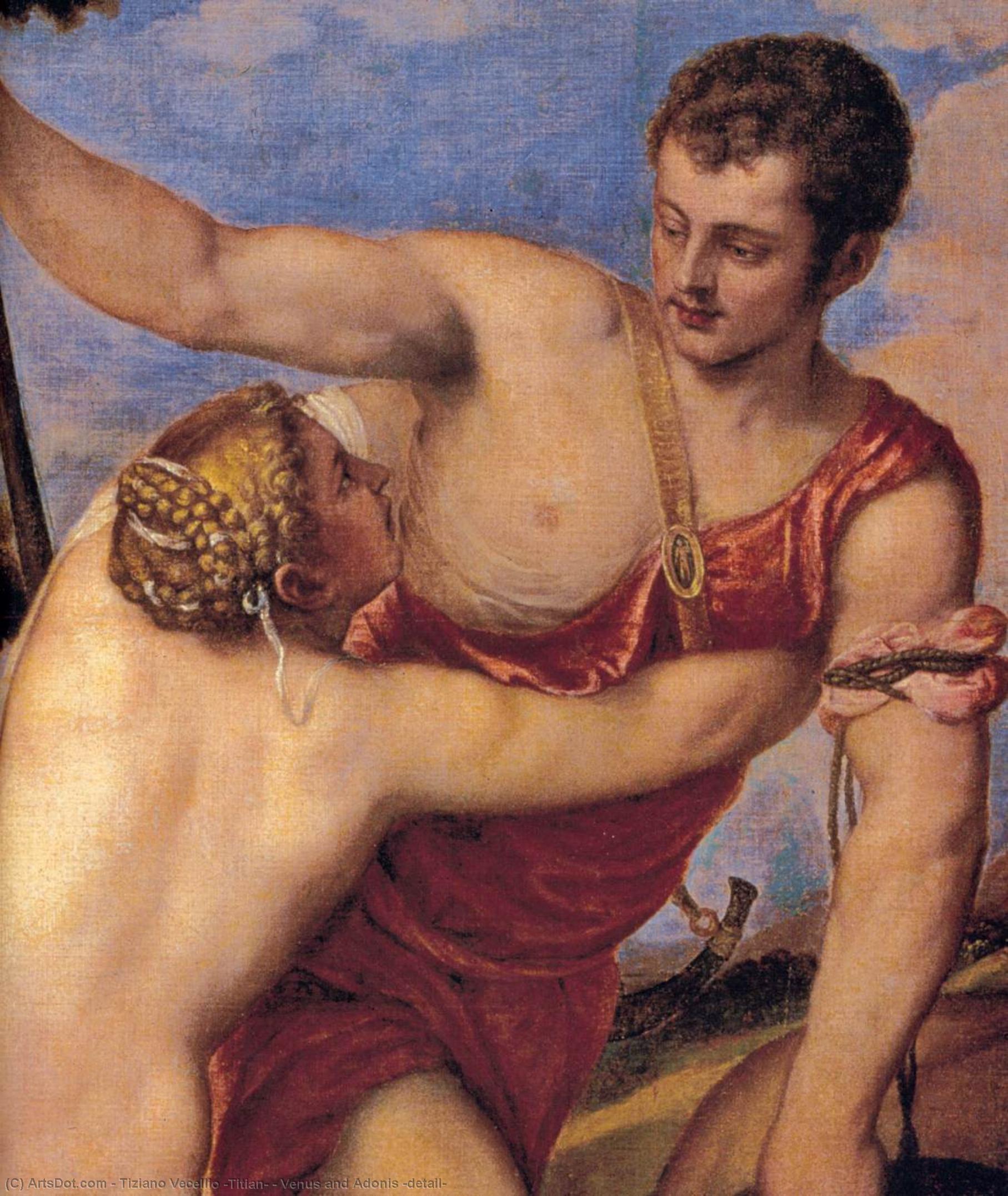
Tiziano Vecellio, universally known as Titian, gifted the world with an unparalleled command of color and form, forever altering the trajectory of Western art. His 1554 painting, "Venus and Adonis," isn't merely a depiction of mythological figures; it’s a visceral exploration of passion, desire, and the intoxicating power of beauty. Housed within the Museo del Prado in Madrid, this oil on canvas invites us into a private moment, frozen in time – a stolen glance, a lingering touch, a silent promise hanging heavy in the air.
The scene unfolds with breathtaking immediacy. Venus, radiant and poised, leans towards Adonis, her lips brushing his neck in a kiss that speaks volumes beyond words. He, youthful and vulnerable, responds with an ardent embrace, his body completely surrendered to her allure. The red of their clothing – the crimson gown of Venus and the tunic of Adonis – isn’t simply decorative; it's a deliberate intensification of the scene’s emotional charge, symbolizing the burning heat of love and the urgency of their connection. Notice how Titian masterfully uses light to sculpt their forms, highlighting the curves of Venus’ body and the youthful strength of Adonis—a testament to his understanding of human anatomy and his ability to imbue it with life.
The Genius of Color and Composition
Titian's genius lay not just in his subject matter but in his revolutionary approach to color. He abandoned the strict, often muted palettes favored by earlier Renaissance artists, embracing a vibrant, almost luminous quality that dominated Venetian painting. In “Venus and Adonis,” he employs a rich tapestry of reds, golds, and browns, layered with subtle gradations of tone to create an astonishing sense of depth and atmosphere. The background, deliberately hazy and indistinct, serves to heighten the drama of the central figures, drawing our attention entirely to their intimate encounter.
The composition itself is carefully constructed. Titian utilizes a pyramidal structure, anchoring the scene with Venus’ form and culminating in Adonis' embrace. This stability contrasts beautifully with the dynamic energy of the interaction between the lovers. The subtle figure lurking in the background – often interpreted as Cupid or another admirer – adds an element of intrigue and suggests that this moment is one of many within a larger narrative.
Symbolism and Interpretation: A Tapestry of Meaning
“Venus and Adonis” resonates with layers of symbolic meaning. Of course, the painting directly references the classical myth of Venus, goddess of love, and Adonis, her mortal lover. However, Titian elevates this tale beyond a simple narrative, transforming it into an exploration of human desire itself. The red clothing, as mentioned earlier, is a potent symbol of passion and sensuality. Some scholars have also suggested that the painting reflects contemporary anxieties about male virility and female allure – themes prevalent in Renaissance society.
Furthermore, the scene can be viewed through a lens of unrequited love or thwarted desire. Adonis’s vulnerability and apparent acceptance of Venus's advances hint at a power dynamic, suggesting a complex interplay between attraction and submission. Titian skillfully avoids offering easy answers, leaving us to contemplate the nuances of this captivating encounter.
A Legacy in Paint: Influence and Enduring Appeal
Titian’s influence on subsequent generations of artists is undeniable. His bold use of color, his mastery of light and shadow, and his ability to capture the emotional intensity of human experience paved the way for movements like Baroque painting. Artists such as Rembrandt and Rubens looked to Titian's techniques with admiration, incorporating elements of his style into their own work. “Venus and Adonis” stands as a prime example of Titian’s genius—a testament to his skill and vision that continues to captivate viewers centuries later.
Today, through ArtsDot’s meticulously crafted hand-painted reproductions, you can experience the breathtaking beauty and emotional depth of this Renaissance masterpiece firsthand. Whether adorning a grand salon or adding a touch of timeless elegance to your home, a reproduction of “Venus and Adonis” offers an unparalleled opportunity to connect with one of art history's most celebrated figures – Titian himself.