A Glimpse of Divine Vanity: Exploring Titian's "Venus with a Mirror"
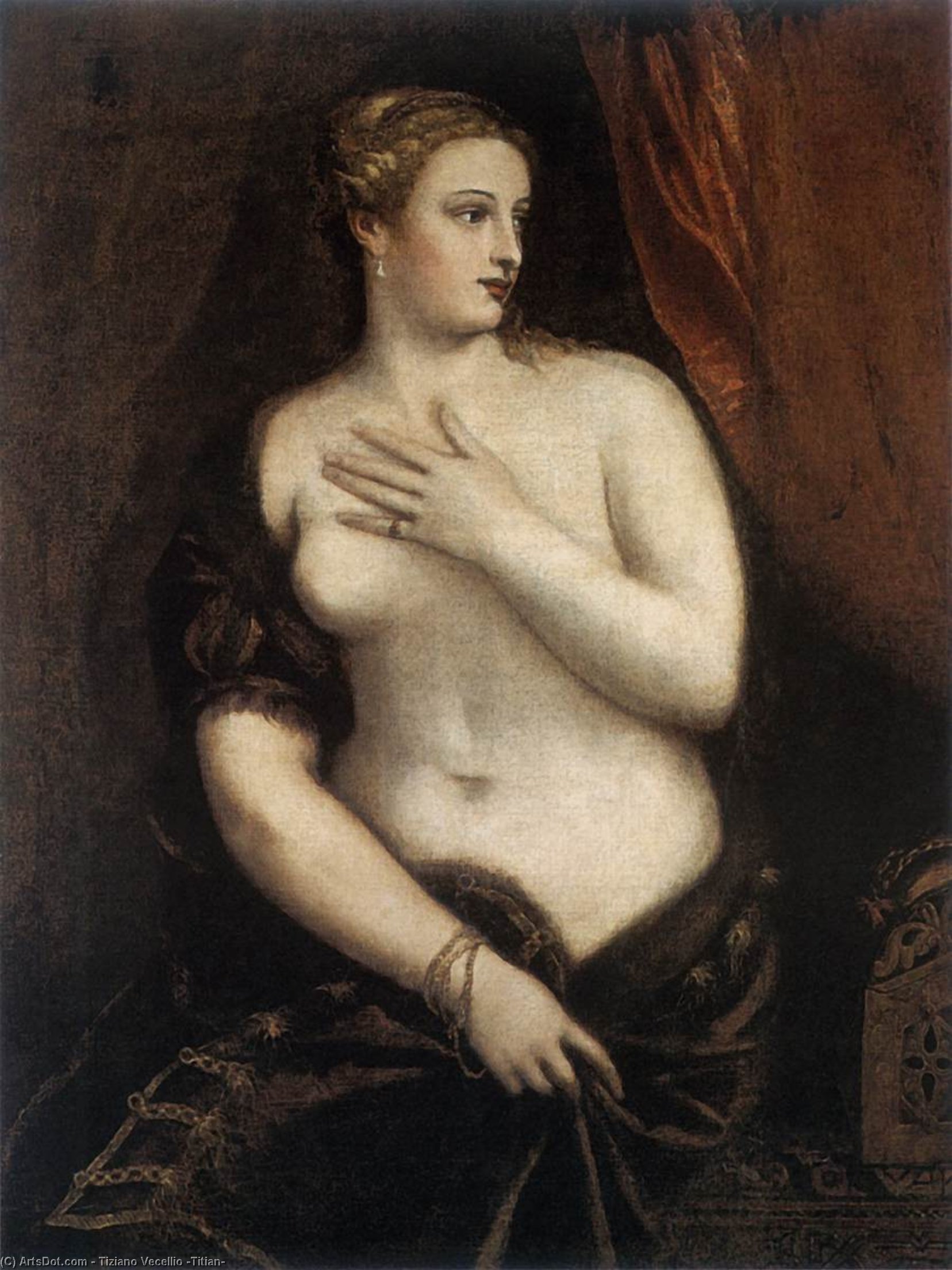
Tiziano Vecellio’s “Venus with a Mirror,” painted in 1550, is more than just a depiction of the goddess; it’s an exquisitely rendered meditation on beauty, self-awareness, and the very nature of artistic creation. This masterpiece, measuring 115 x 84 cm, immediately captivates with its rich palette – warm flesh tones that seem to glow from within, contrasted by a dramatically dark background that intensifies the sense of intimacy and seclusion. The painting’s power resides not just in Titian's technical brilliance but also in his ability to imbue a classical subject with a profoundly human quality.
- The Composition: Cupid, acting as a humble attendant, presents Venus with a mirror. Her pose is relaxed, almost languid, suggesting a moment of private contemplation rather than assertive display. The reflection itself is subtly rendered, adding to the painting’s dreamlike quality and inviting the viewer to consider their own role in the scene.
- Titian's Technique: Titian was renowned for his mastery of oil paint, particularly his ability to achieve luminous color effects. Notice how he builds up layers of pigment to create a sense of depth and texture – the delicate folds of Venus’ drapery, the smooth surface of her skin, and even the subtle sheen on the mirror itself.
- Historical Context: Created during the High Renaissance in Venice, “Venus with a Mirror” reflects the era's fascination with classical ideals of beauty while simultaneously embracing a more sensual and emotionally charged approach to art. Titian’s work was hugely influential, shaping the course of Western painting for centuries to come.
Symbolism and Interpretation: A Window into Renaissance Thought
The symbolism within “Venus with a Mirror” is layered and open to interpretation. At its most literal level, it depicts Venus, the Roman goddess of love and beauty, engaging in an act of self-reflection. However, the mirror itself carries significant weight. It’s not merely a tool for vanity; it represents a quest for knowledge, a confrontation with one's own image, and perhaps even a reflection of the artist’s creative process – Titian himself gazing into the canvas to capture the essence of his subject.
- Vanity vs. Self-Knowledge: The painting has been interpreted as exploring the tension between outward beauty and inner understanding. Is Venus simply indulging in her own allure, or is she striving for a deeper connection with herself?
- The Artist's Gaze: Some scholars suggest that Titian intentionally placed himself within the scene through the mirror, inviting the viewer to consider the role of the artist as both observer and creator.
- Allegory of Love: The painting can also be seen as an allegory for the power of love – a force that can both inspire and deceive, elevate and diminish.
A Legacy of Influence: From Titian to Rubens
"Venus with a Mirror" quickly established itself as a pivotal work in art history, profoundly influencing generations of artists. Its innovative composition, characterized by its dramatic use of light and shadow, and the sensual depiction of the female form, became hallmarks of Renaissance painting. The impact of this piece can be seen in the works of Peter Paul Rubens and Diego Velázquez, who both drew inspiration from Titian’s masterful approach to color and anatomy.
- Rubens' Homage: Rubens famously created numerous variations on Titian’s theme, often depicting Venus with a mirror in a more dynamic and theatrical manner.
- Velázquez's Subtlety: Velázquez, known for his meticulous realism, adopted Titian’s compositional techniques while adding his own distinctive touch of psychological depth.
- Enduring Appeal: The painting’s enduring appeal lies in its timeless beauty and its ability to evoke a sense of wonder and contemplation – qualities that continue to resonate with viewers today.
Own a Piece of Renaissance Masterpiece
ArtsDot.com offers meticulously crafted, hand-painted reproductions of “Venus with a Mirror” by Titian, capturing the essence of this iconic artwork. Each reproduction is created using traditional oil painting techniques and archival materials, ensuring its longevity and beauty for generations to come. Bring the drama, color, and profound symbolism of this Renaissance masterpiece into your home or office – a testament to artistic genius and enduring allure.