Experience the serene beauty of Hiroshige II's landscapes – masterful reproductions capturing Edo Japan’s atmosphere and influenced by Hokusai’s iconic prints. Explore his legacy at The Art Institute.
Discover Utagawa Hiroshige (1797-1858), Japan's last great ukiyo-e master. Explore iconic landscapes like 'Fifty-three Stations of the Tōkaidō,' his poetic style, and profound influence on Impressionism & Van Gogh.
Explore LACMA's diverse art collections spanning millennia! From ancient artifacts to modern masterpieces, discover iconic exhibits & engaging exhibitions in Los Angeles.
A Poet's Vision of Edo Japan: The Life and Art of Utagawa Hiroshige
Utagawa Hiroshige (歌川 広重) or Andō Hiroshige (安藤 広重), born Andō Tokutarō (安藤 徳太郎; 1797 – 12 October 1858), stands as a pivotal figure in the world of *ukiyo-e*, or “pictures of the floating world.” Though deeply rooted in the traditions of Japanese woodblock printing, Hiroshige transcended mere replication, imbuing his landscapes with a poetic sensibility that resonated profoundly both within Japan and, later, across the Western art world. His life unfolded during a period of relative peace and prosperity under the Tokugawa shogunate, yet also one marked by increasing social change and eventual westernization – forces that would ultimately contribute to the decline of *ukiyo-e* even as they amplified Hiroshige’s enduring legacy. Initially destined for a more conventional path within a samurai family—his father served as a fire warden—Hiroshige's artistic inclinations led him to apprenticeship under Utagawa Toyohiro, a master of the Utagawa school, where he honed his skills in capturing fleeting moments and conveying profound emotion through meticulously crafted prints.
His early years were marked by familial upheaval; orphaned at a young age after the deaths of his parents, Hiroshige embarked on a journey to establish himself as an artist, diligently pursuing training under various masters who instilled in him the foundational principles of *ukiyo-e*. Notably, he studied alongside Toyohiro, absorbing techniques from the established Kanō school and embracing the stylistic innovations emerging from Western art – influences that would prove instrumental in shaping his distinctive artistic vision. This dedication to mastering diverse traditions foreshadowed his remarkable success as a landscape artist, cementing his place among Japan’s most celebrated masters.
The Landscape Series: “One Hundred Famous Views of Edo”
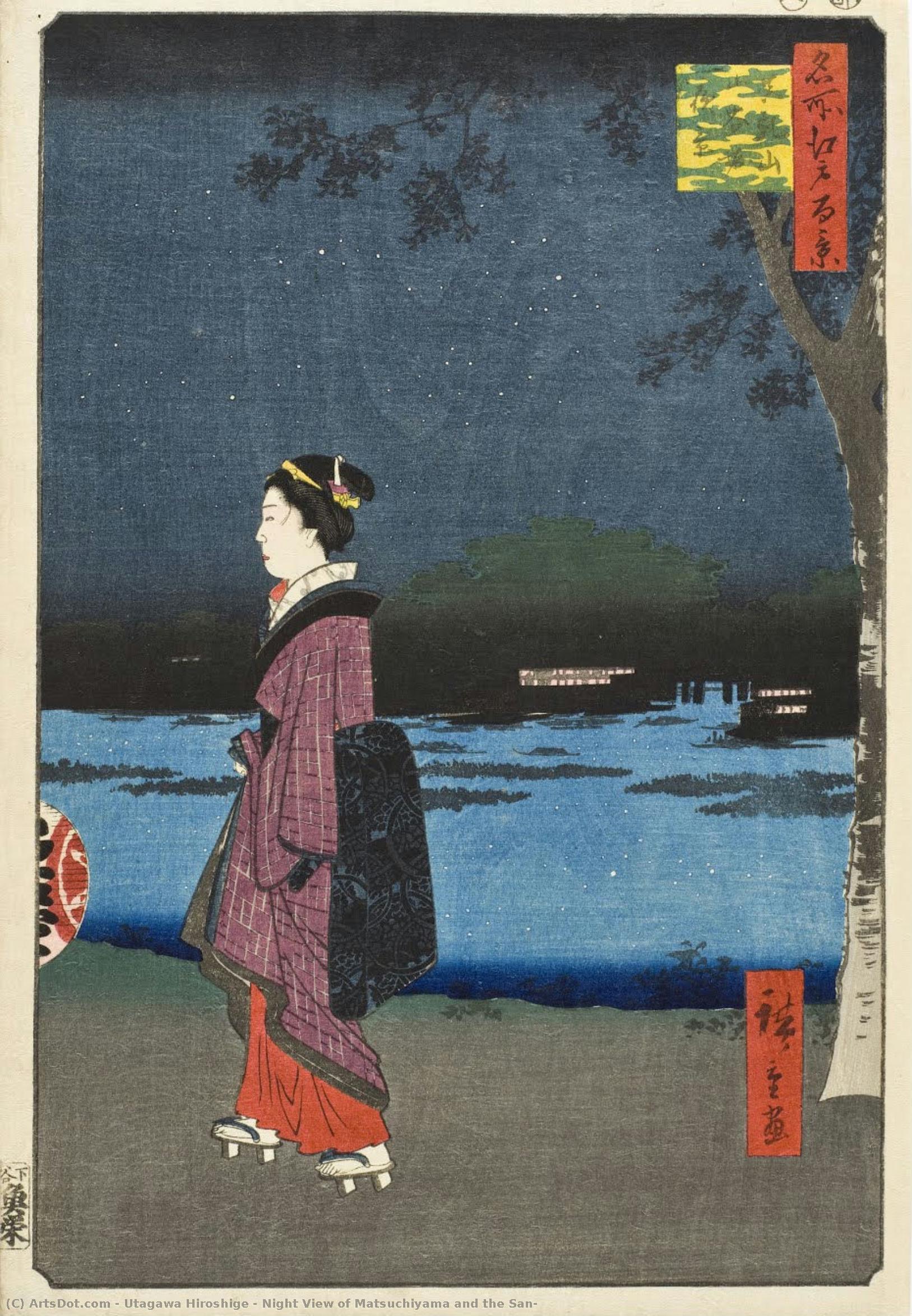
Hiroshige's magnum opus, "One Hundred Famous Views of Edo," represents an unparalleled achievement in *ukiyo-e* artistry and profoundly impacted the artistic trajectory of Europe during the Japonisme movement. Departing from the prevalent genre conventions focused on courtesans and actors, Hiroshige chose to depict scenes of everyday life within Edo – Japan’s imperial capital – transforming them into canvases brimming with atmospheric depth and subtle beauty. Unlike earlier landscape prints that prioritized precise topographical accuracy, Hiroshige prioritized conveying mood and emotion; he skillfully utilized *bokashi*, a technique involving multiple impressions of ink to achieve nuanced tonal gradations, creating an ethereal luminescence that captured the essence of Edo’s twilight hours. The series' meticulous composition—often incorporating elements of perspective borrowed from Western art—demonstrated Hiroshige’s intellectual curiosity alongside his artistic prowess.
The selection of subjects themselves held symbolic significance. Hiroshige deliberately chose locations associated with spiritual contemplation and seasonal change, reflecting a broader aesthetic sensibility rooted in Zen Buddhism. These sites – including temples, bridges, canals, and gardens – were rendered with breathtaking detail, inviting viewers to immerse themselves in the tranquility and grandeur of Edo’s natural surroundings. Furthermore, Hiroshige's masterful use of color—particularly muted hues—reinforced this contemplative atmosphere, aligning perfectly with the prevailing artistic trends of his time.
Influence Beyond Japan: Impressionism and Van Gogh
Hiroshige’s influence extended far beyond Japan’s borders, captivating artists across Europe who embraced the Japonisme aesthetic – a fascination with Japanese art and culture that swept through Paris in the late 1880s and early 1890s. Vincent van Gogh, deeply moved by Hiroshige's prints of Mount Fuji, famously recreated several compositions in oil paint, capturing the same luminous quality and emotive power as the woodblock originals. Artists like Claude Monet and Gustave Moreau similarly incorporated Hiroshige’s stylistic innovations into their works, demonstrating the enduring resonance of his artistic vision. Hiroshige’s ability to distill complex emotions into simple visual forms—a hallmark of *ukiyo-e*—provided a crucial impetus for Impressionist painters seeking to capture fleeting moments of beauty and sensation. His legacy continues to inspire artists today, cementing his status as one of the most influential figures in Western art history.