Vincent van Gogh (1853-1890): Explore the life & art of the Dutch Post-Impressionist master behind 'Starry Night' and 'Sunflowers'. Discover his bold style & lasting impact on modern art.
Discover the Kröller-Müller Museum: A stunning art haven nestled in Hoge Veluwe National Park, featuring Van Gogh's masterpieces and an expansive sculpture garden.
A Study in Desperation and Color – Vincent van Gogh’s Fisherman
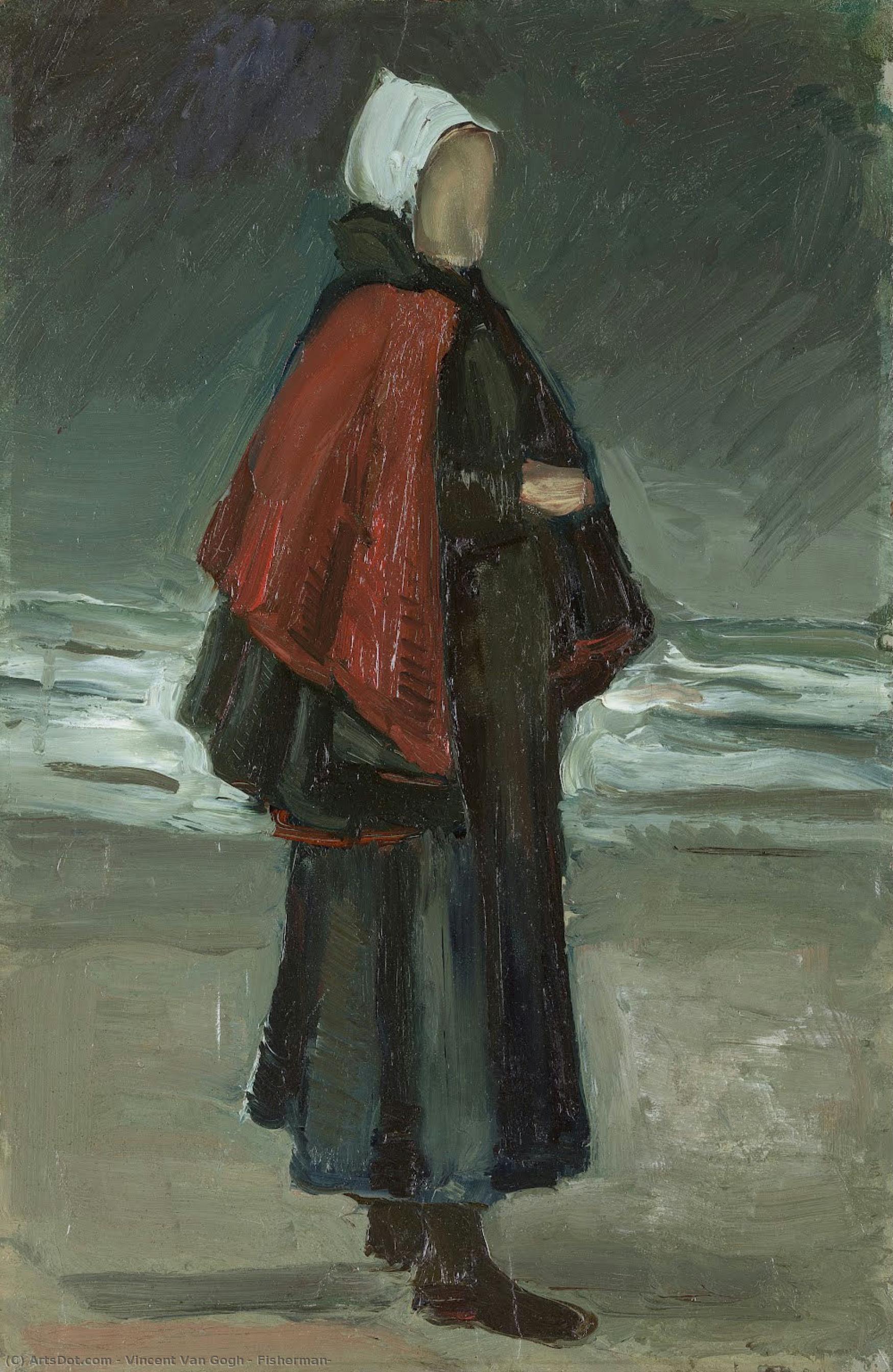
Vincent van Gogh's "Fisherman," painted in 1883, is more than just a depiction of a seaside scene; it represents a pivotal moment in the artist’s artistic evolution and embodies the profound emotional turmoil that characterized his life. Created during a period marked by intense psychological struggle – as documented in his own letters – this unassuming canvas pulsates with an urgency born from overcoming creative paralysis, revealing a breakthrough in Van Gogh's approach to painting.
The Pursuit of Form Through Color
Prior to 1883, Van Gogh wrestled with capturing the essence of human figures, often resorting to a laborious process of sketching followed by meticulous outlining. This “dry manner,” as he termed it, yielded unsatisfactory results and fueled his frustration. However, in "Fisherman," he abandons this technique entirely, prioritizing color as the primary vehicle for defining shape and conveying mood. Recognizing that ‘the effect’ is paramount, Van Gogh meticulously arranges hues alongside each other—a deliberate departure from conventional artistic conventions—to achieve a visual impact that transcends mere representation. This newfound freedom speaks volumes about his intellectual development and foreshadows the expressive power of his later masterpieces.
A Moment Frozen in Time: Composition and Technique
The painting’s composition is deceptively simple yet remarkably effective. Van Gogh employs broad brushstrokes to depict the sea and shoreline, capturing the dynamism of movement with confident sweeps of pigment. Conversely, he utilizes a slightly narrower brush for rendering the fisherman's figure, focusing on sculpting form through subtle tonal variations. Notably, Van Gogh avoids excessive detail—particularly in portraying hands and faces—believing that these elements distract from the overarching impression. Instead, he prioritizes capturing the atmosphere and conveying emotion, aligning perfectly with his artistic philosophy. The artist’s masterful handling of color contributes significantly to this emotive resonance, particularly the striking juxtaposition of red and white against the muted grey-green backdrop – a deliberate choice likely inspired by Sien Hoornik, his companion at the time, who served as the model for the woman in the painting.
Historical Context and Artistic Significance
Painted during Van Gogh’s period of intense creative crisis—following unsuccessful attempts to depict human figures—"Fisherman" stands as a testament to resilience and artistic innovation. It exemplifies the burgeoning Impressionist movement's influence on Van Gogh, encouraging him to embrace color and spontaneity as tools for capturing fleeting moments of beauty and emotion. The painting’s understated palette and focus on form represent a significant step away from his earlier stylistic tendencies, signaling a decisive shift toward a more expressive and psychologically driven approach.
Emotional Resonance: Capturing Desperation and Hope
Ultimately, “Fisherman” transcends its visual elements to convey a palpable sense of vulnerability and determination. The desolate seascape underscores the artist’s emotional state—a reflection of his inner turmoil—while simultaneously hinting at an underlying optimism for artistic renewal. It's a painting that invites contemplation on themes of perseverance, beauty amidst hardship, and the transformative power of creative exploration. This artwork continues to captivate audiences today because it embodies not only Van Gogh’s technical prowess but also his profound ability to translate personal experience into universal emotion.