Vincent van Gogh (1853-1890): Explore the life & art of the Dutch Post-Impressionist master behind 'Starry Night' and 'Sunflowers'. Discover his bold style & lasting impact on modern art.
Discover the Kröller-Müller Museum: A stunning art haven nestled in Hoge Veluwe National Park, featuring Van Gogh's masterpieces and an expansive sculpture garden.
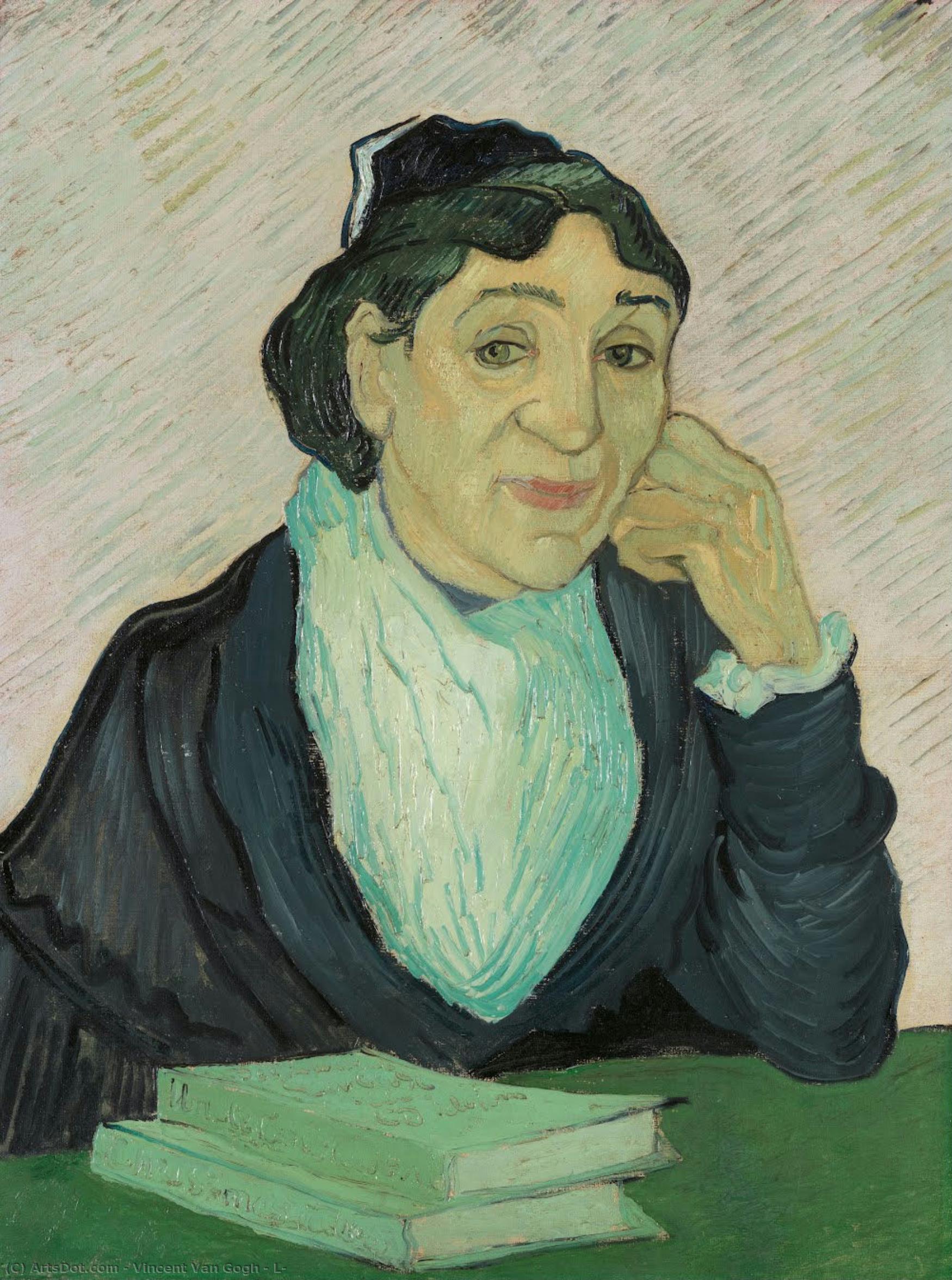
A Portrait Steeped in Thought: Exploring Vincent van Gogh’s ‘L’Arlésienne’
The painting “L’Arlésienne,” completed by Vincent Willem van Gogh in 1890, transcends mere representation; it embodies a profound exploration of emotion and observation—characteristics that define Van Gogh's artistic legacy. Captured during his stay at the Ginoux family’s café in Arles, France, this portrait isn’t simply a depiction of Madame Ginoux, but rather an attempt to distill her essence into a visual language that speaks volumes about the artist’s psychological state and his broader philosophical concerns.
Subject Matter and Composition
At its core, “L’Arlésienne” presents a woman seated in profile, bathed in soft light emanating from a window behind her. Her gaze is downward, conveying an aura of introspection—a deliberate contrast to the bustling café scene glimpsed in the background. Scattered books around her contribute to the composition's complexity, hinting at intellectual curiosity and perhaps reflecting Van Gogh’s own preoccupation with knowledge and contemplation. The artist meticulously crafted this tableau, prioritizing balance and harmony through careful placement of elements within the frame.
Style and Technique: Impressionistic Echoes
Van Gogh’s stylistic approach leans heavily into impressionism, albeit infused with his distinctive expressive brushstrokes—a hallmark of his oeuvre. Unlike the polished surfaces favored by many contemporaries, Van Gogh employed thick impasto technique, layering paint onto the canvas to create palpable texture and capturing fleeting moments of light and color. The muted palette—dominated by earthy tones—reflects the artist’s desire to convey a sense of stillness and serenity, mirroring the tranquil countryside he sought to escape from the pressures of Parisian life. Gauguin's influence is evident in the simplified forms and bold colors, signaling Van Gogh's collaborative spirit and his ongoing engagement with artistic experimentation.
Historical Context: Seeking Authenticity Amidst Urban Decay
Painted during a period marked by significant mental instability for Van Gogh—following a debilitating breakdown— “L’Arlésienne” serves as a poignant reflection of this turbulent inner world. The artist consciously distanced himself from the artificiality and superficiality he perceived in Parisian society, striving instead to capture the genuine spirit of rural life and human connection. This preoccupation with authenticity is powerfully conveyed through the painting's subdued hues and contemplative posture—a deliberate rejection of academic conventions and a reaffirmation of Van Gogh’s artistic vision.
Symbolism: Beyond Appearance
The woman’s downward gaze symbolizes introspection and contemplation, mirroring Van Gogh’s own internal struggles. The books surrounding her represent knowledge and intellectual pursuit, highlighting the artist's yearning for understanding beyond mere sensory experience. Furthermore, the café scene serves as a visual reminder of the dichotomy between urban decay and pastoral beauty—a central theme in Van Gogh’s artistic exploration.
Emotional Impact: A Window into the Artist’s Soul
“L’Arlésienne” resonates deeply with viewers due to its ability to evoke feelings of quiet contemplation and melancholic beauty. The artist's masterful use of color and texture captures not only Madame Ginoux’s physical appearance but also her inner life—a testament to Van Gogh’s unparalleled capacity for conveying emotion through visual art. It remains a captivating emblem of artistic sincerity and a timeless meditation on the human condition.