A Portrait of Quiet Resilience: Exploring Van Gogh’s *La Berceuse 3*
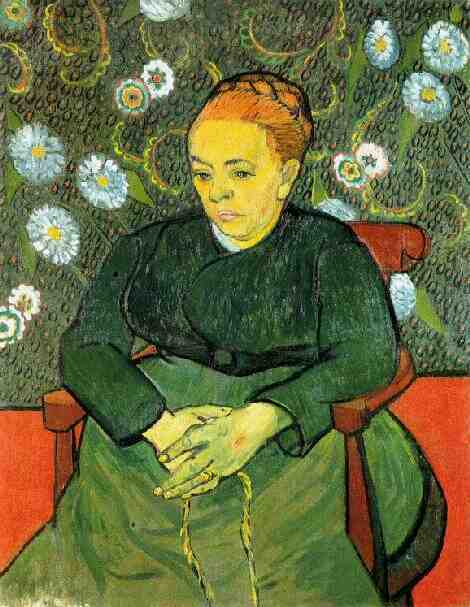
Vincent van Gogh's *La Berceuse 3*, painted in 1889 during his stay at the Saint-Paul-de-Mausole asylum in Saint-Rémy, is far more than a simple portrait. It’s a deeply moving study of character and an intimate glimpse into Van Gogh’s evolving artistic vision. The subject, Augustine Roulin – wife of the postman Joseph Roulin, who befriended Van Gogh – is depicted with a striking intensity that belies the painting's seemingly tranquil composition.
The Subject and Setting: A Moment of Introspection
Augustine Roulin appears seated, her hands clasped gently in her lap, enveloped by a vibrant backdrop of blossoming almond branches. This wasn’t a scene observed directly; rather, it was constructed from memory and imagination within the confines of Van Gogh's asylum room. He painted multiple versions of Augustine – she became a symbol of comfort and maternal warmth during a period of intense personal struggle. The imagined village visible through the window adds to the dreamlike quality, hinting at a longing for connection and peace.
La Berceuse, meaning “lullaby” in French, suggests a soothing presence, a quiet moment of respite captured on canvas.
Style and Technique: A Symphony of Color and Texture
*La Berceuse 3* exemplifies Van Gogh’s signature Post-Impressionist style. The bold use of color is immediately arresting – the fiery red hair and flushed cheeks of Madame Roulin contrast dramatically with the cool greens and blues of the background.
Thick impasto brushstrokes, applied with visible energy, create a palpable texture that brings the painting to life. These swirling strokes aren’t merely descriptive; they convey emotion, reflecting Van Gogh's inner turmoil and his passionate engagement with the subject. The flattened perspective and simplified forms further emphasize the emotional impact over strict realism.
Historical Context: Art in the Shadow of Illness
Painted during a period of intense mental health challenges, *La Berceuse 3* offers insight into Van Gogh’s artistic process as therapy. Confined to the asylum, he found solace and purpose in painting portraits of those who offered him kindness. The Roulin family provided a vital link to the outside world, and their likenesses became recurring motifs in his work. This painting reflects not only Van Gogh's artistic development but also the social context of late 19th-century France, where artists were beginning to explore new ways of representing emotion and experience.
Symbolism and Emotional Resonance
The almond blossoms surrounding Augustine are rich in symbolism. In Dutch culture, they represent life, renewal, and hope – a poignant message given Van Gogh’s own struggles with despair. The seated posture suggests contemplation and perhaps weariness, while the direct gaze of Madame Roulin conveys both strength and vulnerability.
The painting evokes a sense of quiet dignity, capturing not just a physical likeness but also the inner life of his subject. It's an intimate portrait that invites viewers to connect with Augustine on a human level.
A Timeless Masterpiece for Today’s Spaces
*La Berceuse 3* continues to resonate with audiences today, its emotional power undiminished by time. Its vibrant colors and expressive brushwork make it a captivating focal point for any interior space. Whether you are an art collector seeking a significant piece or an interior designer looking to add depth and character to a room, this painting offers a timeless beauty that transcends trends.
- Post-Impressionist masterpiece
- Striking color palette and expressive brushwork
- Symbolic representation of hope and resilience
- Intimate portrait capturing the essence of its subject