Madame Augustine Roulin: A Portrait of Quiet Strength
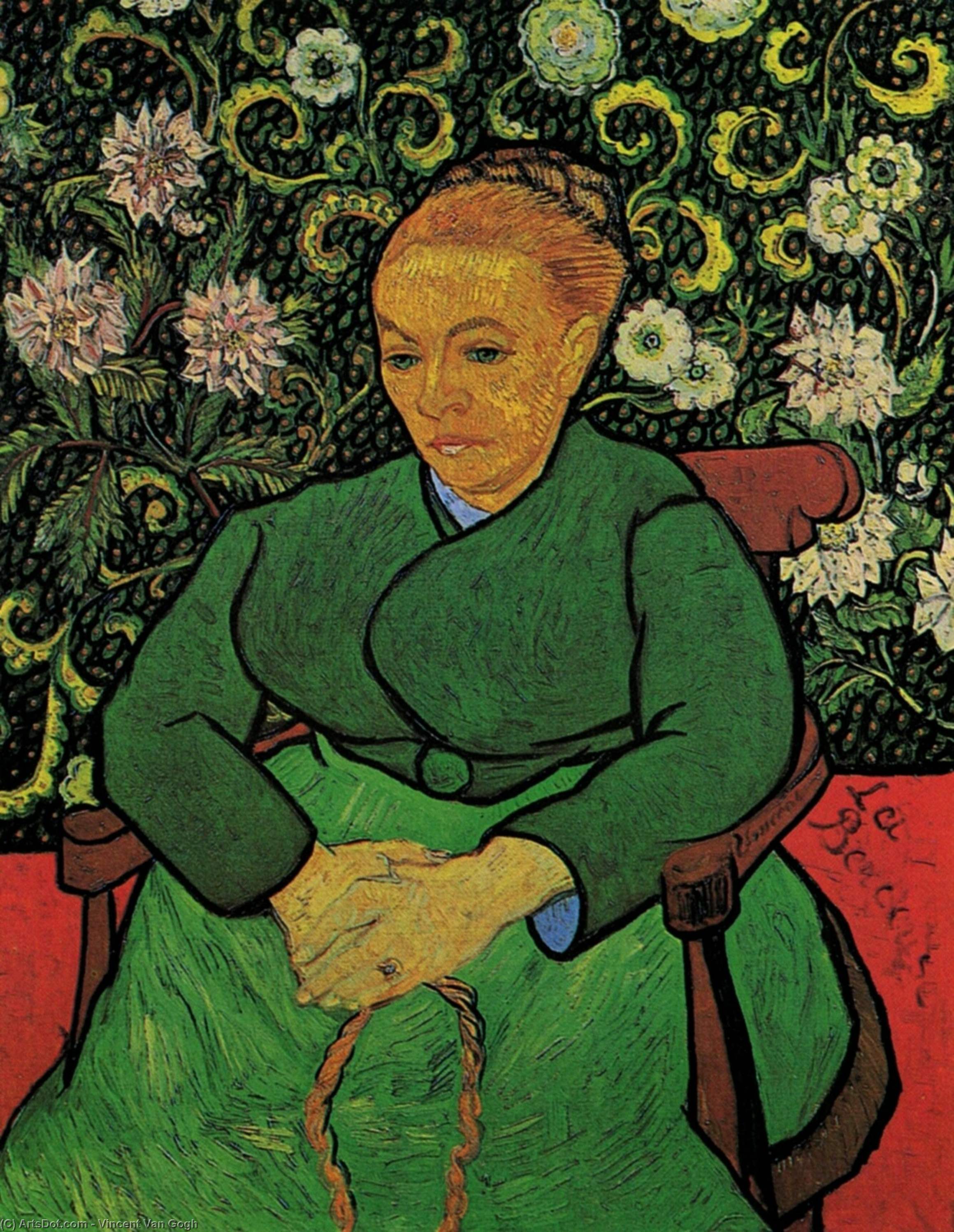
Vincent van Gogh's "Madame Augustine Roulin," painted in 1889, is more than just a portrait; it’s a window into the artist's evolving style and his deep connection with the people of Arles. This oil-on-canvas work (measuring 92 x 73 cm) depicts Madame Roulin, wife of Joseph Roulin, the postal worker who became a close friend to Van Gogh. The painting captures her in a moment of quiet contemplation, seated and facing the viewer with a direct gaze that conveys both strength and vulnerability.
Artistic Style and Technique
The artwork exemplifies Van Gogh's Post-Impressionist style, characterized by bold colors, expressive brushstrokes, and a departure from traditional realism. Van Gogh utilized oil paint on canvas to achieve the texture and depth that define his signature aesthetic. Notice how he uses thick impasto – applying paint thickly – particularly in the folds of her dress and the background flowers. This technique creates a tactile quality, almost as if you could feel the brushstrokes themselves. The vibrant green of her dress contrasts beautifully with the warmer tones of the floral backdrop, creating visual interest and highlighting Madame Roulin's presence. The use of color isn’t merely descriptive; it’s emotionally charged, reflecting Van Gogh’s subjective experience of his subject.
Historical Context: Life in Arles
During 1888-1889, Van Gogh resided in Arles, Southern France, a period marked by intense artistic productivity and personal turmoil. He sought to establish an artist's colony there, inviting fellow artists like Paul Gauguin to join him. The Roulin family became close friends and frequent subjects for his paintings. Joseph Roulin was particularly supportive of Van Gogh, providing him with companionship and encouragement during a difficult time. "Madame Augustine Roulin" was created shortly after Gauguin’s departure, a period of heightened emotional intensity for the artist. It's believed that this painting served as a way for Van Gogh to capture the stability and normalcy represented by the Roulin family amidst his own struggles.
Symbolism and Emotional Impact
Beyond its aesthetic qualities, "Madame Augustine Roulin" carries symbolic weight. Her direct gaze suggests resilience and inner strength. The floral background, typical of Van Gogh’s style, represents life, growth, and the beauty found in everyday surroundings. The painting evokes a sense of quiet dignity and introspection. It's not a glamorous portrait; rather, it portrays an ordinary woman with remarkable honesty and empathy. Viewers often describe feeling a profound connection to Madame Roulin, sensing her inner world through Van Gogh’s masterful brushstrokes. The overall emotional impact is one of gentle melancholy combined with admiration for the subject's quiet fortitude.
Legacy and Significance
"Madame Augustine Roulin" stands as a testament to Van Gogh’s ability to transform ordinary subjects into profound works of art. It exemplifies his commitment to portraying human emotion and capturing the essence of everyday life. The painting is now part of a prestigious collection, admired by art enthusiasts worldwide for its beauty, emotional depth, and historical significance. It continues to inspire artists and viewers alike, demonstrating the enduring power of Van Gogh’s vision.