A Window Into Parisian Soul: Exploring Vincent van Gogh’s Moulin de la Galette
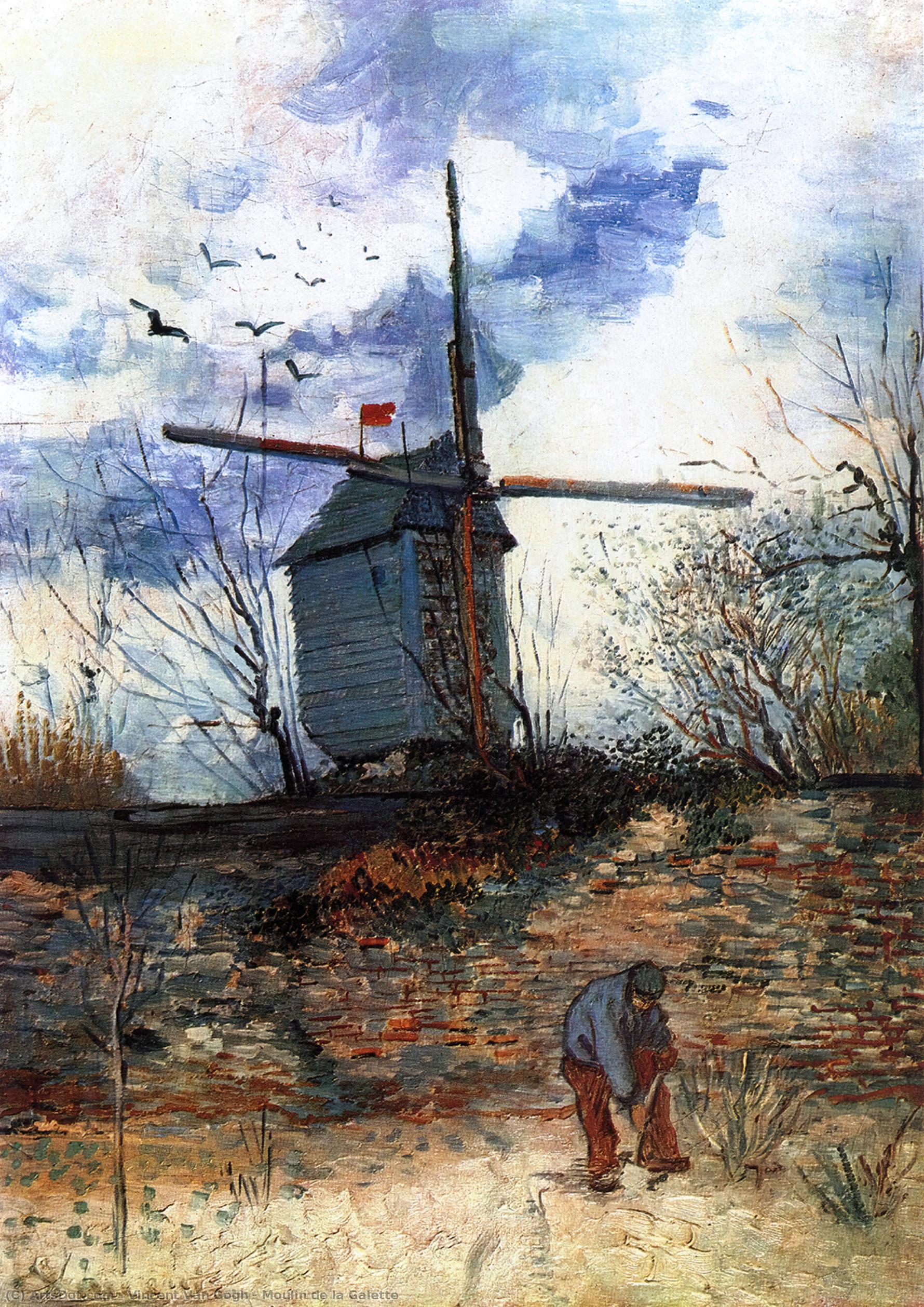
Vincent Willem van Gogh's *Le Moulin de la Galette*, painted in 1886 during his time in Arles, France, stands as a cornerstone of Post-Impressionism and an unforgettable snapshot of bohemian life. More than just a depiction of a windmill – its prominent red roof instantly recognizable – the painting delves into themes of community, leisure, and fleeting beauty, capturing a moment frozen in time with Van Gogh’s signature expressive brushwork. It's a piece that continues to resonate with audiences today, prompting contemplation on art’s ability to convey emotion and capture the spirit of an era.
Composition and Technique: Capturing Movement
The canvas pulsates with energy thanks to Van Gogh’s masterful technique. Thick impasto – applying paint thickly onto the surface – dominates the scene, creating a palpable texture that mimics the movement of the milling grain and the swirling air around the windmill. Individual brushstrokes are visible, conveying spontaneity and immediacy, mirroring the vibrant atmosphere of the café below. Notice how Van Gogh utilizes complementary colors—primarily yellows and blues—to heighten visual impact and create depth within the landscape. The artist’s deliberate layering of paint builds up a luminous surface that seems to shimmer with reflected light, transporting viewers back to 1886 Arles.
Historical Context: Impressionism's Legacy and Artistic Rebellion
Van Gogh arrived in France seeking artistic inspiration after years of struggling with mental illness and disillusionment. He was drawn to the vibrant artistic community of Arles, where he befriended Paul Gauguin, sparking a period of intense creative collaboration. *Le Moulin de la Galette* represents a decisive break from Impressionism’s focus on capturing fleeting moments of light and color. While Impressionists aimed for optical accuracy, Van Gogh prioritized emotional expression, prioritizing feeling over observation. This stylistic choice aligns perfectly with the burgeoning Expressionist movement that would soon emerge in Europe, marking a pivotal shift towards subjective experience as central to artistic creation.
Symbolism: More Than Just a Mill
Beyond its visual splendor, *Le Moulin de la Galette* carries symbolic weight. The windmill itself is often interpreted as representing cyclical renewal and perseverance—a motif frequently explored by Van Gogh throughout his oeuvre. Its red roof stands out against the muted greens of the surrounding landscape, symbolizing vitality and passion amidst tranquility. Furthermore, the figures depicted in the café below embody social interaction and communal joy – a celebration of everyday life and human connection. The artist’s gaze seems to linger on these individuals, inviting viewers to contemplate the beauty found within ordinary moments.
Emotional Impact: A Balm for the Soul
Ultimately, *Le Moulin de la Galette* succeeds in conveying a profound sense of serenity mingled with melancholy. Despite the bustling activity of the café, there's an underlying stillness—a quiet contemplation that speaks to Van Gogh’s own inner turmoil. The painting’s luminous colors and expressive brushwork evoke feelings of warmth and nostalgia, reminding us of the enduring power of art to transport us beyond time and circumstance. It remains a testament to Van Gogh’s ability to transform observation into emotion, cementing his place as one of history's most influential artists.
- Artist: Vincent Willem van Gogh
- Year Painted: 1886
- Location: Musée d’Orsay, Paris