A Portrait of Quiet Resilience: Examining Vincent van Gogh’s “Old Woman Seen from Behind”
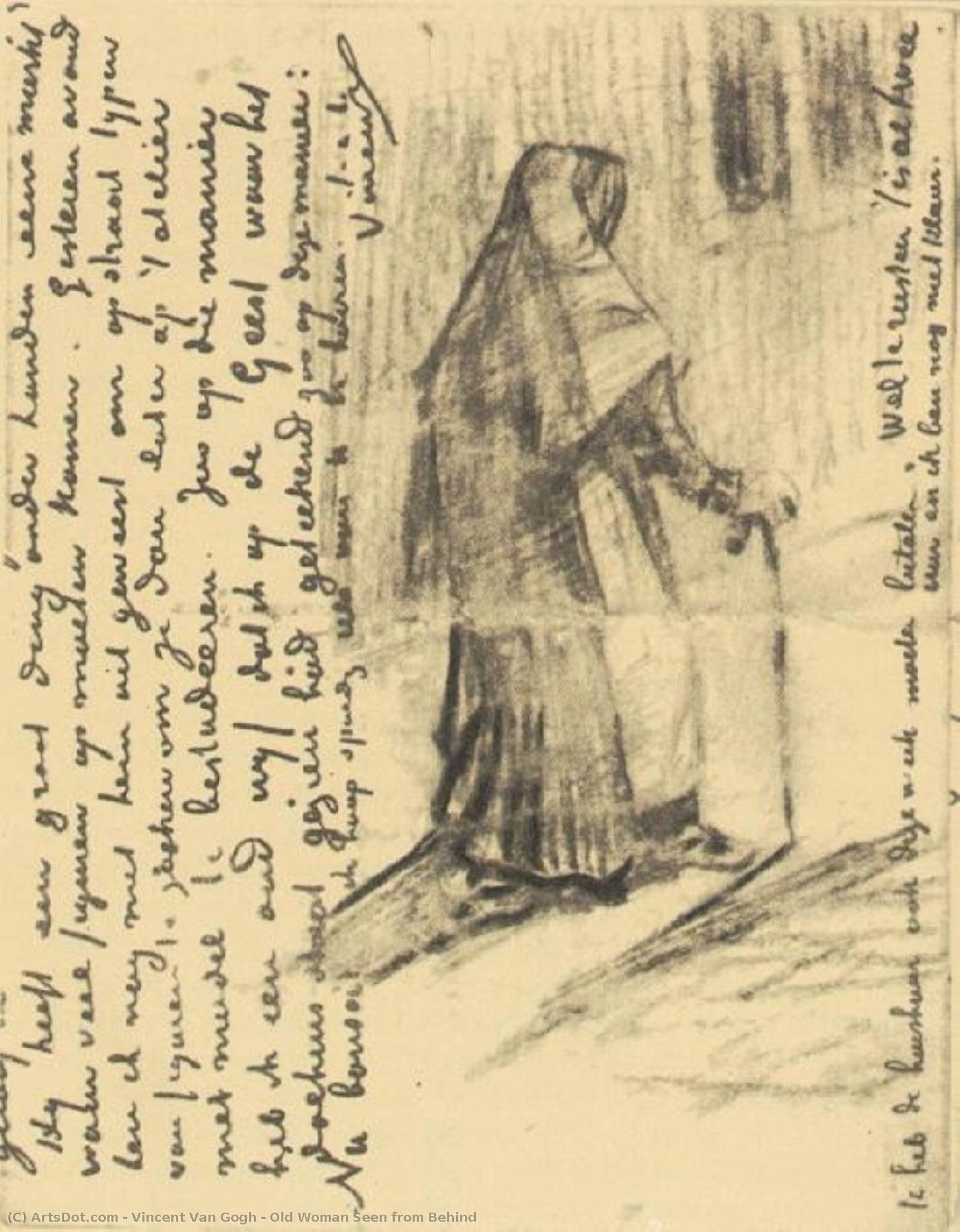
Vincent Willem van Gogh's "Old Woman Seen from Behind," created in 1882, stands as a deceptively simple yet profoundly resonant depiction of human dignity amidst hardship. Executed during his formative years in Paris – a period marked by experimentation and burgeoning artistic ambition – the drawing offers a glimpse into Van Gogh’s evolving visual language and his unwavering fascination with portraying ordinary subjects with extraordinary sensitivity. It's not merely an image; it’s a distillation of emotion, rendered with meticulous observation and imbued with symbolic depth that continues to captivate audiences today.
- Subject Matter: The artwork centers on a solitary elderly woman walking down the street, her gaze averted from the viewer. This deliberate positioning—looking away—is crucial to understanding Van Gogh’s artistic intent. Rather than presenting a grand narrative or dramatic gesture, he focuses on capturing a moment of quiet contemplation, conveying an unspoken vulnerability and resilience.
- Style: Characteristic of Van Gogh's Parisian period, “Old Woman Seen from Behind” embodies Impressionistic influences while retaining his distinctive expressive brushstrokes. The drawing eschews polished surfaces; instead, it embraces textural irregularities achieved through loose, agitated lines that convey movement and emotion—a hallmark of his artistic style.
Technique & Material Considerations
Van Gogh employed charcoal on paper – a relatively inexpensive medium that allowed for rapid sketching and immediate capture of fleeting impressions. The artist’s technique is notable for its deliberate layering of lines, creating depth and suggesting the contours of the woman's form without resorting to detailed shading. This approach prioritizes capturing the essence of the subject rather than striving for photographic realism. The subtle variations in tone achieved through blending contribute to a sense of atmosphere and imbue the drawing with an understated emotional power.
Historical Context & Artistic Influences
Painted during Van Gogh’s time in Paris, “Old Woman Seen from Behind” reflects the broader artistic landscape of Impressionism. Artists like Claude Monet and Edgar Degas were exploring ways to depict light and color directly onto canvas, rejecting academic conventions that favored idealized representations. However, unlike many Impressionists who focused on landscapes or urban scenes, Van Gogh turned his attention inward, investigating the psychological complexities of human experience—a trend that would become increasingly prominent throughout his oeuvre.
Symbolism & Emotional Resonance
Beyond its formal qualities, “Old Woman Seen from Behind” resonates with symbolic significance. The woman’s averted gaze speaks to themes of introspection and perhaps a quiet acceptance of life's hardships. Her posture conveys dignity and perseverance—a testament to the enduring spirit of humanity. Van Gogh’s masterful rendering captures not just an image but also a feeling, inviting viewers to contemplate the beauty found in simplicity and the profound capacity for empathy.