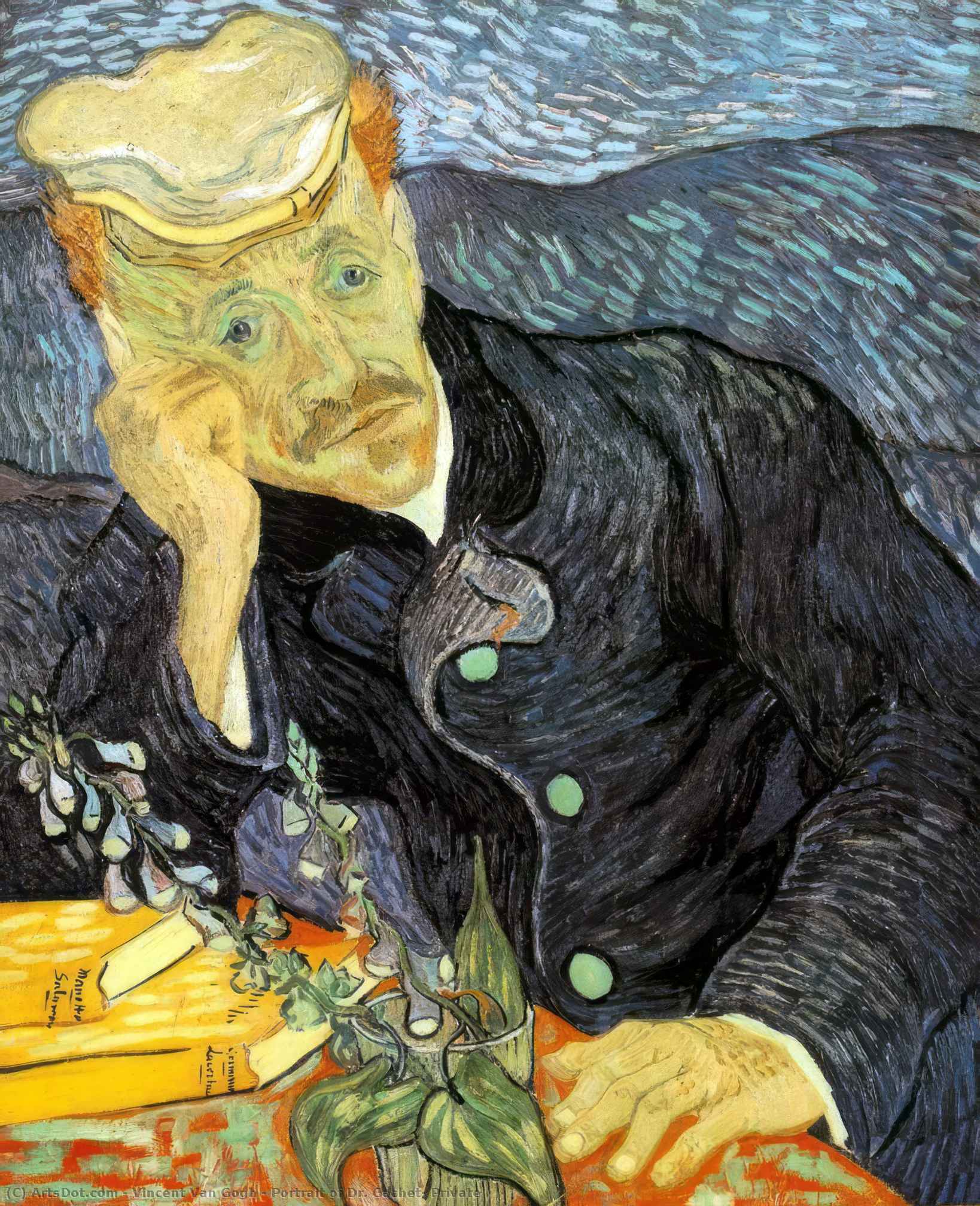
A Window into Turmoil: Vincent van Gogh’s *Portrait of Dr. Gachet*
This profoundly moving portrait by Vincent van Gogh, painted in 1890 during the final months of his life, is far more than a simple likeness. It's an intimate exploration of mental health, loneliness, and the anxieties simmering beneath the surface of modern existence – a poignant glimpse into both the sitter’s soul and the artist’s own troubled state.
Subject & Historical Resonance
Dr. Paul Gachet was Van Gogh's physician in Auvers-sur-Oise, France, but their connection extended beyond a doctor-patient relationship. Gachet was also a respected art collector and an artist himself, fostering a unique bond with Van Gogh during a period of intense emotional strain for the painter. Painted just weeks before his tragic death, the portrait captures Gachet not merely as a medical professional, but as a man burdened by sensitivity – perhaps mirroring Van Gogh’s own internal struggles. The painting stands as a testament to their complex relationship and reflects the intellectual and emotional climate of late 19th-century Europe.
Artistic Style & Technique: A Post-Impressionist Masterpiece
Portrait of Dr. Gachet is a quintessential example of Van Gogh’s mature Post-Impressionist style. Rejecting strict realism, he employed bold, expressive colors and visible brushstrokes to convey subjective experience and emotional truth. The thick impasto – the heavy application of paint – creates a textured surface that seems to vibrate with energy, drawing the viewer into the psychological space of both sitter and artist. Notice how the swirling patterns aren't merely decorative; they embody a sense of unrest and inner turmoil.
The contrasting color palette is particularly striking. The somber tones of Dr. Gachet’s dark suit are juxtaposed with the vibrant blues and greens of the background, creating visual tension that mirrors the psychological complexities within the portrait. This deliberate use of color isn't arbitrary; it actively contributes to the painting’s emotional weight.
Symbolism & Interpretation: Unveiling Hidden Meanings
Van Gogh imbued this work with subtle yet powerful symbolism. The presence of foxglove on the table, a plant containing digitalis used in heart medication, alludes to Gachet’s profession and perhaps hints at Van Gogh's own fragile health. Two yellow books sit nearby, their titles obscured – adding an air of intellectual mystery and suggesting hidden depths within the doctor’s character.
Gachet’s melancholic expression and posture – head resting on his hand – convey a profound sense of weariness and contemplation. Art historians often interpret this as embodying “the heartbroken expression of our time,” capturing the anxieties and uncertainties prevalent in modern life, a sentiment Van Gogh himself recognized in Gachet's face.
Emotional Impact & Legacy
Portrait of Dr. Gachet resonates with viewers because it transcends a simple representation; it’s an intimate portrayal of human vulnerability and suffering. Its enduring appeal lies in its ability to prompt reflection on universal themes – mental health, mortality, the search for meaning, and the complexities of human connection. As one of Van Gogh's most celebrated works, it solidifies his position as a pivotal figure in modern art history.
Bringing Art Home: Display & Collection
A reproduction of this iconic painting adds depth and emotional resonance to any space. Its bold colors and expressive brushstrokes make it a striking focal point for living rooms, studies, or bedrooms. Consider pairing it with complementary colors – perhaps muted blues and greens – in your decor to enhance its visual impact and create a harmonious atmosphere.
For collectors, this piece represents not only an investment in artistic mastery but also a connection to Van Gogh’s profound emotional landscape. Its enduring power ensures that Portrait of Dr. Gachet will continue to captivate and inspire for generations to come.
- Dimensions: 67 x 56 cm
- Date: 1890
- Medium: Oil on canvas