Vincent van Gogh’s Roses et Scarabee: A Study in Color and Texture
Vincent Willem van Gogh's “Roses et Scarabee,” painted in 1890 during his stay at Saint-Rémy asylum, stands as a testament to the artist’s unwavering dedication to capturing the beauty of the natural world—a pursuit driven by both profound observation and an intensely personal emotional response. This seemingly simple depiction of roses arranged in a vase offers a surprisingly complex exploration of color theory, artistic technique, and symbolic representation, cementing its place within the broader context of Post-Impressionism.
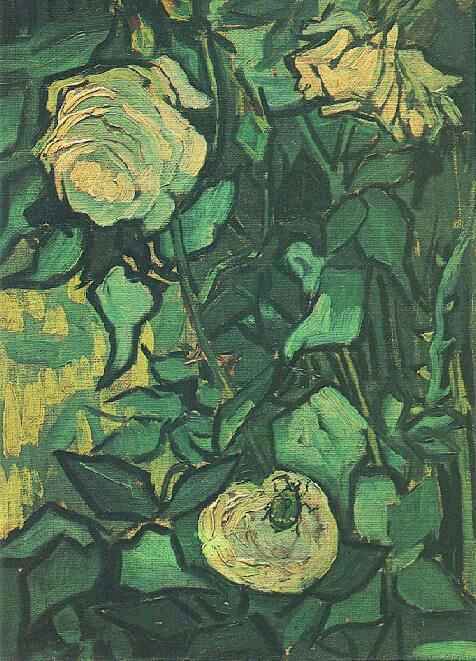
- Subject Matter: The painting focuses on a bouquet of roses—primarily white roses interspersed with hints of pink—presented in a vase alongside a beetle (likely a scarabee), symbolizing rebirth and transformation. Van Gogh meticulously rendered each element, prioritizing accuracy and detail despite the challenging conditions of his mental state.
- Style & Technique: “Roses et Scarabee” exemplifies Van Gogh’s signature Post-Impressionist style characterized by bold brushstrokes, vibrant color palettes, and a rejection of photographic realism. He employed impasto—thickly applied paint—creating palpable textural surfaces that convey the physicality of the flowers and beetle. The artist's expressive use of color is particularly noteworthy; he utilized complementary hues to heighten visual impact and imbue the composition with emotional intensity.
- Historical Context: Created during Van Gogh’s period of mental instability, “Roses et Scarabee” reflects his ongoing struggle for artistic expression amidst personal turmoil. The painting was produced shortly before his departure from Saint-Rémy, marking a pivotal moment in his creative journey and demonstrating his continued fascination with botanical subjects as a means of solace and contemplation.
- Symbolism: Beyond its aesthetic qualities, the artwork carries significant symbolic weight. Roses traditionally represent love, beauty, and purity—themes that resonate deeply within Van Gogh’s artistic vision. The scarabee beetle, an ancient Egyptian symbol associated with resurrection and regeneration, underscores the artist's preoccupation with themes of renewal and overcoming adversity. Its presence adds a layer of spiritual depth to the visual narrative.
- Emotional Impact: Viewing “Roses et Scarabee” evokes a sense of serenity tempered by melancholy—a hallmark of Van Gogh’s oeuvre. The luminous color palette captures the vibrancy of springtime blossoms, while the textured brushstrokes convey an immediacy and emotional honesty that transcends mere representation. It is precisely this expressive quality that distinguishes it from more conventional landscapes and continues to captivate audiences worldwide.
Reproductions of “Roses et Scarabee” offer a remarkable opportunity to experience Van Gogh’s artistic genius firsthand, allowing collectors and interior designers alike to bring the beauty and emotional resonance of this iconic masterpiece into their homes. ArtsDot.com provides exceptional quality reproductions that faithfully capture the original artwork's textures and colors.