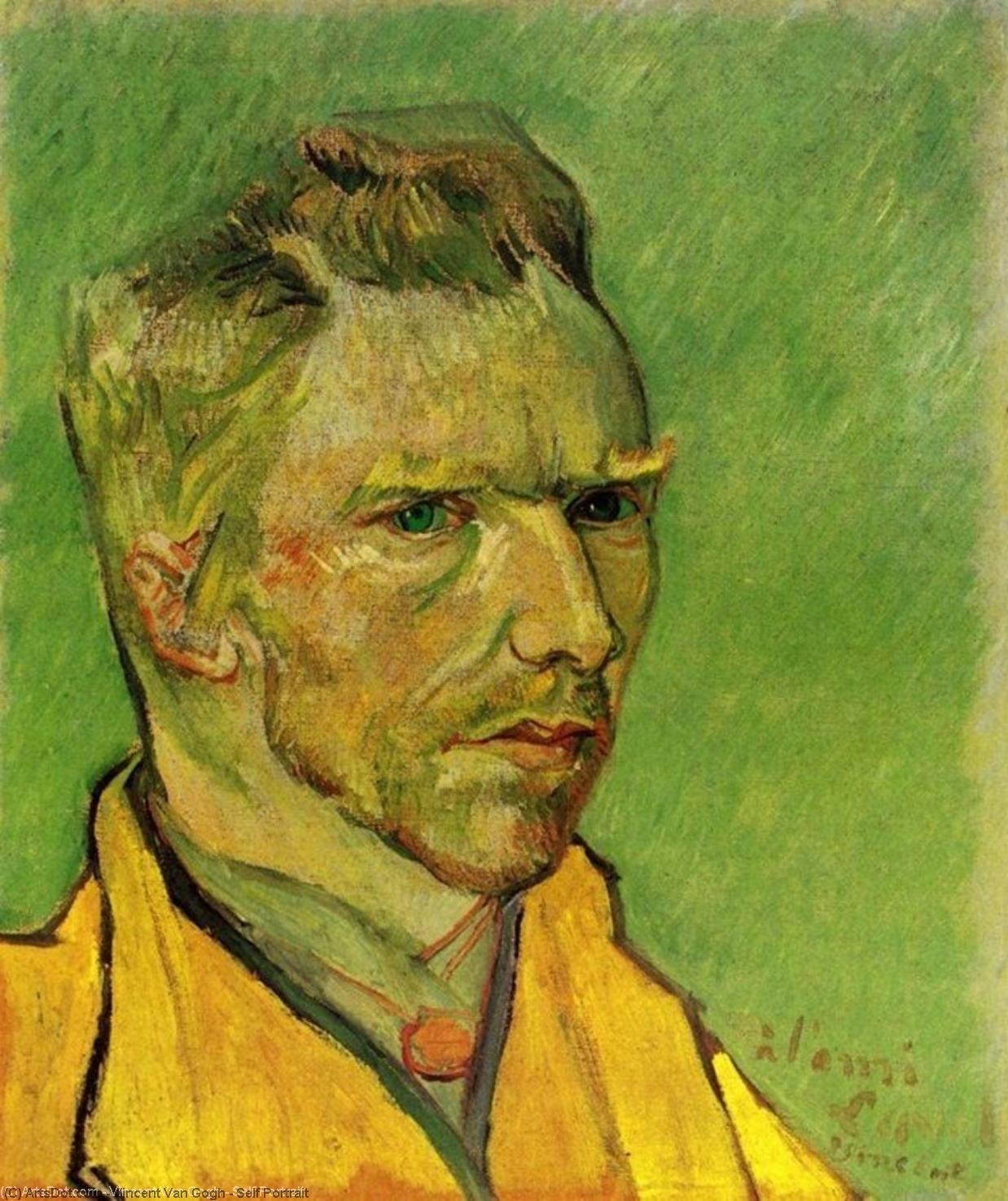
The Allure of Vincent van Gogh's Self Portrait (1888)
- Title: Self Portrait
- Artist: Vincent van Gogh
- Date: 1888
- Medium: Oil on Canvas
- Dimensions: 42 x 30 cm
A Glimpse into the Artist's Soul
Vincent van Gogh’s self-portraits are arguably among the most poignant and revealing works in art history. Created during a period of intense artistic exploration and personal turmoil, this particular "Self Portrait" from 1888 offers a profound window into the artist's inner world. Van Gogh painted numerous self-portraits—over thirty in all—during his short career, often using himself as a model due to financial constraints and limited access to sitters. However, these were far more than mere exercises; they served as explorations of identity, psychological states, and artistic technique.
Style and Technique: Post-Impressionism at its Finest
This self-portrait exemplifies Van Gogh’s signature Post-Impressionist style. Departing from the objective representation favored by Impressionists, Van Gogh employed bold colors, expressive brushstrokes, and a heightened sense of emotional intensity to convey his subjective experience. The vibrant green background, contrasting sharply with the artist's face, creates a dynamic tension that draws the viewer’s eye. Notice the thick impasto—the application of paint in dense layers—which gives the surface texture and depth. Van Gogh’s brushstrokes are not smooth or blended; instead, they are visible and energetic, conveying a sense of movement and vitality. The use of complementary colors – green and red/orange tones in his face and beard – intensifies the visual impact and creates a harmonious yet emotionally charged composition.
Historical Context and Symbolism
Painted during Van Gogh’s stay at Arles, France, this self-portrait reflects a period of both creative flourishing and mental instability. He hoped to establish an artist's colony in Arles with Paul Gauguin, but their relationship proved volatile, culminating in the infamous ear incident. The intensity in his gaze, the slightly parted lips, and the overall demeanor suggest a man grappling with profound emotions—a mixture of determination, vulnerability, and perhaps even a hint of melancholy. While interpretations vary, some art historians believe the self-portraits represent Van Gogh’s attempt to understand and control his inner demons through artistic expression. The direct gaze challenges the viewer, inviting introspection and empathy.
Emotional Impact and Legacy
Van Gogh's "Self Portrait" resonates deeply with viewers because it transcends mere representation; it is a raw and honest portrayal of human emotion. It captures a moment of intense self-reflection, offering a glimpse into the soul of one of history’s most celebrated artists. The painting’s enduring appeal lies in its ability to evoke empathy and inspire contemplation on themes of identity, creativity, and the complexities of the human condition. It remains an iconic symbol of artistic genius and a testament to Van Gogh's profound impact on modern art.