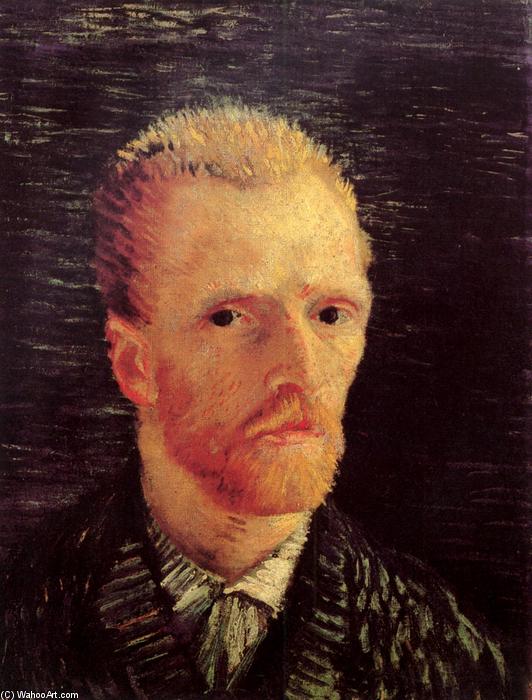
Vincent Willem van Gogh
Initially influenced by Impressionist techniques – particularly Monet’s explorations of light and color – Van Gogh swiftly moved beyond mere replication to forge a distinctly personal style. However, unlike his contemporaries who sought to capture fleeting moments of visual sensation, Van Gogh prioritized conveying emotion rather than objective observation.
Zundert
Nethe
A Window into Soul: Examining Vincent van Gogh’s Self-Portrait
Vincent Willem van Gogh's "Self-Portrait," painted in 1887, stands as a cornerstone of Post-Impressionism and an enduring emblem of artistic introspection. More than just a depiction of the artist himself, it’s a profound exploration of identity, mental anguish, and the transformative power of creative expression—a journey mirrored in every brushstroke and saturated hue. Captured during his Parisian period, this artwork offers invaluable insight into Van Gogh's evolving artistic vision and psychological state.
The Artistic Vision: Impressionism's Echoes
Initially influenced by Impressionist techniques – particularly Monet’s explorations of light and color – Van Gogh swiftly moved beyond mere replication to forge a distinctly personal style. However, unlike his contemporaries who sought to capture fleeting moments of visual sensation, Van Gogh prioritized conveying emotion rather than objective observation. The Self-Portrait exemplifies this shift; it's not simply what the eye sees but what the artist feels—a palpable sense of vulnerability and determination radiating from the canvas. Notice how he employs bold, swirling brushstrokes reminiscent of Monet’s landscapes, yet these strokes are imbued with an intensity that transcends Impressionistic aesthetics.
Technique & Material: A Masterful Blend
Executed in oil on canvas, Van Gogh utilized a technique characterized by thick impasto—applying paint thickly onto the surface—creating textural richness and dynamism. This method wasn't merely decorative; it served as a crucial vehicle for expressing emotion. The visible brushstrokes capture movement and energy, mirroring the turbulent inner landscape of the artist. Furthermore, Van Gogh’s palette is deliberately vibrant – dominated by yellows, blues, and greens – colors that convey both optimism and melancholy simultaneously. These hues are carefully juxtaposed to heighten visual impact and underscore the psychological complexity of the portrait.
Historical Context: Facing Inner Demons
Painted during a period marked by significant personal turmoil—including episodes of mental instability—the Self-Portrait reflects Van Gogh’s struggle with depression and anxiety. The artist's gaze is direct, unflinching, conveying both sadness and resilience. It speaks to the broader anxieties of the era, grappling with questions of selfhood and confronting existential uncertainties. This painting was created amidst a period of intense artistic experimentation and personal crisis—a testament to Van Gogh’s unwavering commitment to his craft despite facing considerable challenges.
Symbolism & Emotional Resonance: Beyond Representation
The inclusion of a bandage on Van Gogh's ear – a poignant reminder of his infamous self-inflicted wound – adds layers of symbolic significance to the portrait. It represents not only physical pain but also psychological vulnerability and the artist’s willingness to confront his demons head-on. The gaze itself is laden with emotion—a mixture of introspection, sorrow, and defiance—inviting viewers to contemplate themes of identity, suffering, and artistic perseverance. Ultimately, “Self-Portrait” transcends mere visual representation; it's a deeply emotive exploration of the human condition.
- Explore the masterpiece in your home with ArtsDot.com’s exquisite reproductions.
- Discover More