Vincent van Gogh (1853-1890): Explore the life & art of the Dutch Post-Impressionist master behind 'Starry Night' and 'Sunflowers'. Discover his bold style & lasting impact on modern art.
Discover the Kröller-Müller Museum: A stunning art haven nestled in Hoge Veluwe National Park, featuring Van Gogh's masterpieces and an expansive sculpture garden.
A Window into Soulful Expression: Examining Vincent van Gogh’s “Self-Portrait”
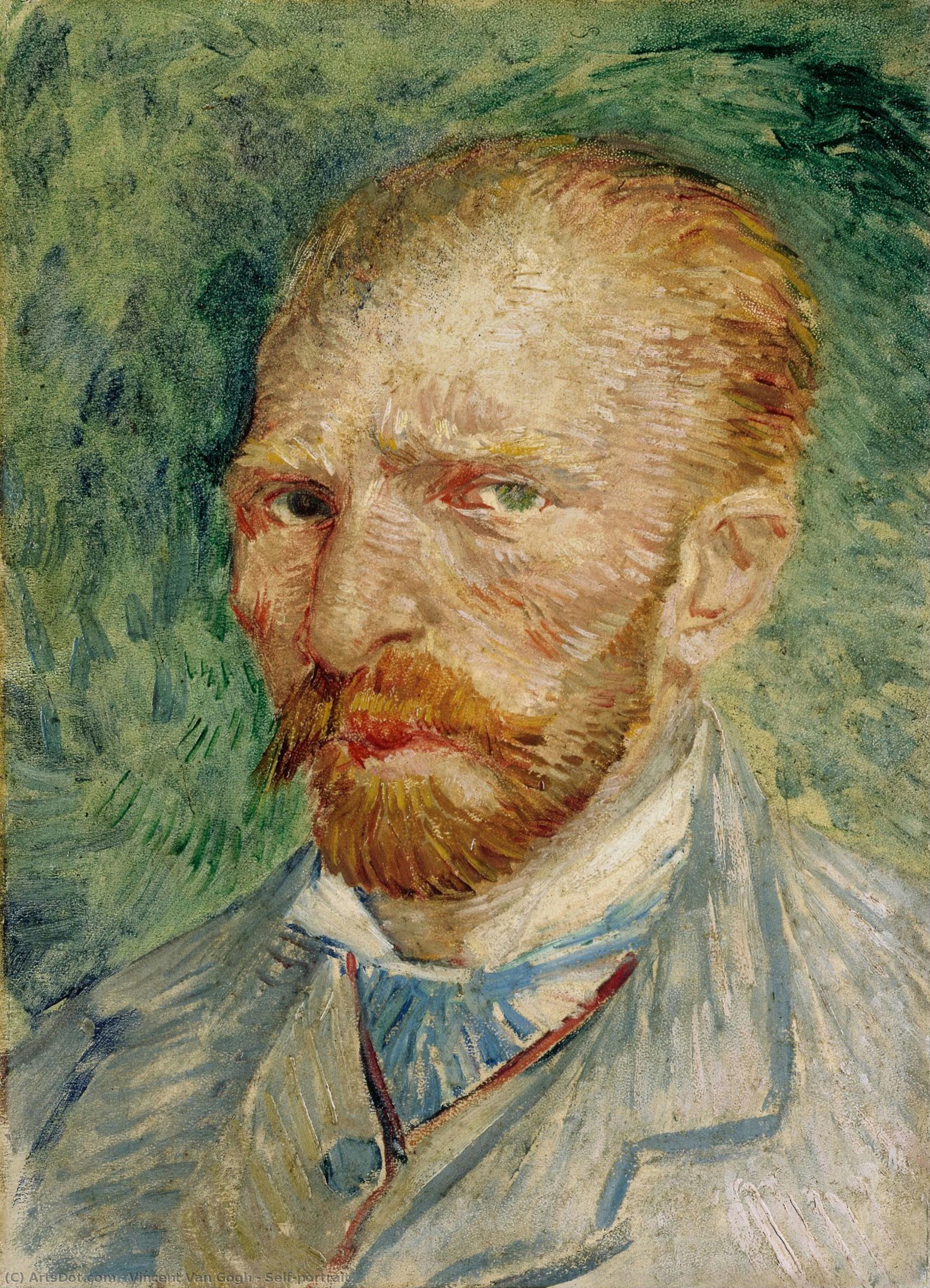
Vincent Willem van Gogh's "Self-Portrait," painted in 1887 during his Parisian sojourn, stands as a cornerstone of Post-Impressionist art and an enduring testament to the artist’s relentless pursuit of emotional honesty. Captured on canvas measuring 24 x 32 cm, this deceptively simple depiction transcends mere likeness; it embodies a profound exploration of inner turmoil and artistic ambition—a characteristic that cemented Van Gogh's place as one of history’s most influential figures.
The Context of Parisian Experimentation
Van Gogh arrived in Paris in November 1885 seeking refuge from the bleak landscapes of Holland and, crucially, hoping to find acceptance within the vibrant artistic community burgeoning at the time. Unlike his earlier work characterized by muted tones and meticulous detail, Paris offered him a chance to immerse himself in Impressionism’s revolutionary techniques—particularly its emphasis on capturing fleeting moments of light and color. However, Van Gogh wasn't merely adopting stylistic trends; he was actively rebelling against them, striving for a more visceral expression of feeling. The decision to produce numerous self-portraits during this period underscores this desire – it represented not just a practical necessity (due to the lack of suitable models) but also a deliberate strategy to wrestle with his own psychological state and push the boundaries of artistic representation.
Style and Technique: A Calculated Retreat from Idealism
The painting’s style is notable for its calculated simplicity, deliberately eschewing the opulent brushstrokes favored by Impressionists. Rather than striving for photographic accuracy, Van Gogh opted for a technique rooted in traditional oil paint application—a conscious choice intended to attract commissions and secure financial stability. Yet, this adherence to convention belied an inner revolution. The subdued palette dominated by soft blues and greens speaks volumes about Van Gogh’s mood – reflecting introspection and perhaps hinting at the anxieties that plagued him during this period. Most striking is the rapid brushwork employed in the background, creating a dynamic visual texture that contrasts sharply with the stillness of his gaze. These energetic strokes convey a sense of movement and vitality, mirroring the artist's internal struggle to find solace amidst creative fervor.
Symbolism: Eyes That Speak Volumes
The artist’s eyes dominate the composition, positioned centrally within the frame and directly confronting the viewer. This deliberate placement is laden with symbolic significance—they represent vulnerability, honesty, and an unwavering gaze upon one's own soul. The slight furrow of his brow suggests preoccupation and perhaps a hint of melancholy, mirroring the emotional complexities that characterized Van Gogh’s life. Furthermore, the inclusion of the bandaged ear – a poignant reminder of his infamous self-inflicted wound—adds another layer of psychological depth to the portrait. It serves as a visual manifestation of his mental instability and underscores the profound impact of trauma on artistic creativity.
Emotional Resonance: Capturing Inner Turmoil
Ultimately, “Self-Portrait” transcends mere visual representation; it achieves an unparalleled level of emotional resonance. The painting captures not just Van Gogh’s physical appearance but also his inner landscape—his anxieties, aspirations, and unwavering commitment to expressing himself authentically. It is a portrait that invites contemplation, prompting viewers to confront their own vulnerabilities and appreciate the transformative power of artistic expression. This remarkable piece continues to captivate audiences today, solidifying its status as an iconic symbol of artistic genius and enduring human emotion.