A Window Into a Soul: Van Gogh’s “Self Portrait”
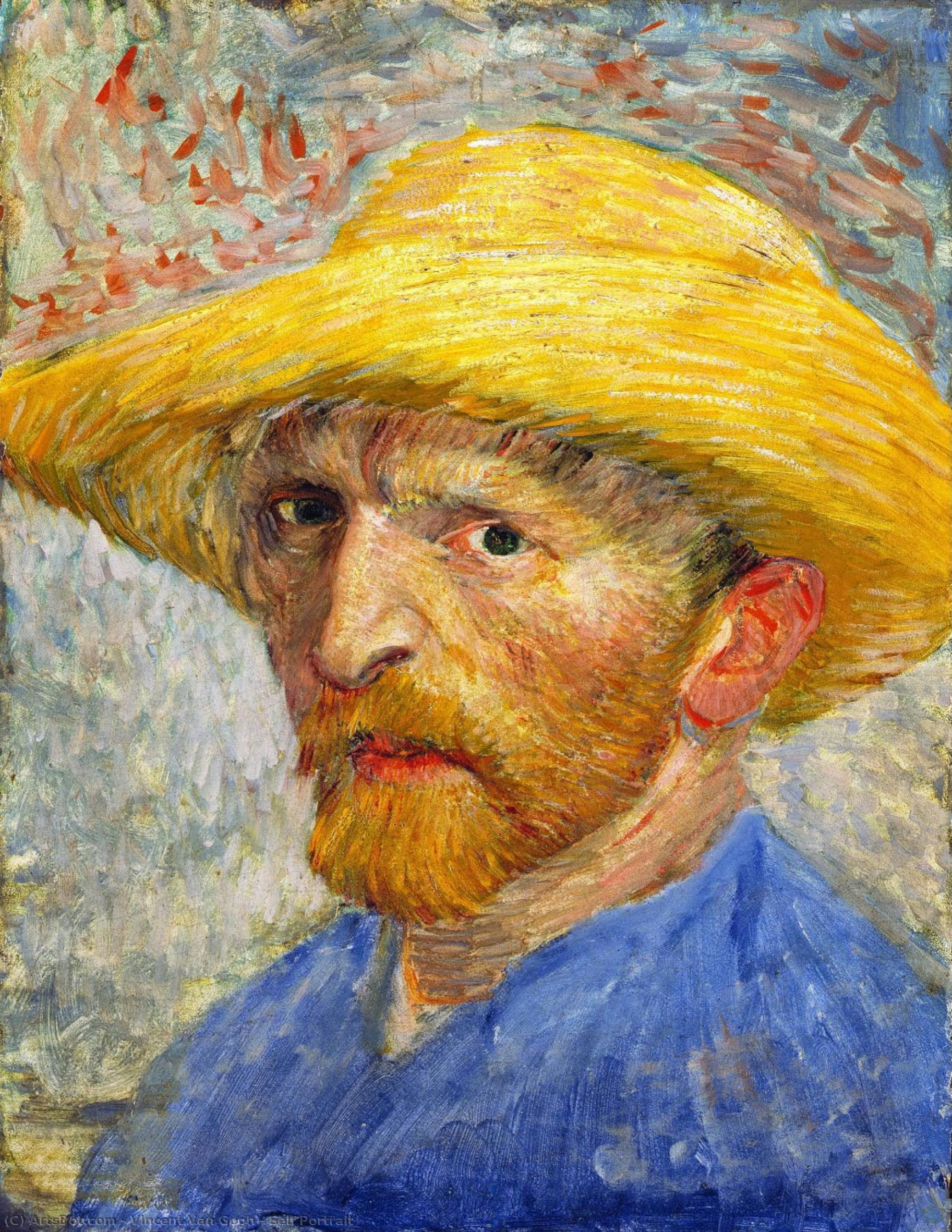
Vincent van Gogh's "Self Portrait," a work shrouded in quiet intensity, isn’t merely a depiction of an artist; it’s a raw and profoundly personal glimpse into the mind of a man wrestling with his demons and striving for connection. Painted during a period of relative stability – though even that was punctuated by Van Gogh’s characteristic emotional storms – this piece offers a rare moment of composure, yet beneath the surface lies a palpable sense of vulnerability and searching. The painting immediately draws the eye to the artist himself, clad in a simple, deep blue shirt, a color often associated with faith and introspection within his oeuvre. His gaze is direct, unwavering, meeting the viewer’s eyes with an almost unsettling honesty. It's not a boastful or triumphant look; rather, it’s one of quiet observation, as if he’s simultaneously inviting scrutiny and guarding a deeply held secret.
The Palette of Emotion: Style and Technique
Van Gogh’s distinctive style is immediately recognizable in this work. The brushstrokes are thick, impastoed – layers of paint built up with visible energy and movement. This technique isn't simply decorative; it’s integral to the painting’s emotional impact. Each stroke seems to vibrate with feeling, mirroring the turbulence within Van Gogh himself. Notice how he uses short, choppy strokes around the edges of his hat and face, creating a sense of restlessness and unease, while smoother, more deliberate strokes define the blue shirt, suggesting a yearning for stability. The color palette is deliberately restrained – primarily blues, yellows, and browns – yet these hues are rendered with remarkable intensity. The vibrant yellow straw hat, a striking element against the darker background, could be interpreted as a symbol of hope or perhaps even a defiant gesture against the encroaching darkness.
Beyond the Portrait: Context and Composition
The inclusion of two figures in the background adds layers of complexity to the composition. These individuals – likely friends or acquaintances – are rendered with less detail, almost as if they exist on the periphery of Van Gogh’s consciousness. Their presence suggests a desire for connection, for companionship, yet also hints at an isolation that was a constant struggle for the artist. The background itself is deliberately blurred, creating a sense of depth and drawing attention back to the central figure. This technique, characteristic of Post-Impressionism, moves beyond mere representation towards conveying mood and atmosphere. It’s important to note that Van Gogh painted several self-portraits during this period, and each offers a slightly different perspective on his state of mind – a testament to the ever-shifting nature of his inner world.
Symbolism and the Search for Meaning
The “Self Portrait” is rich in symbolic potential. The hat itself has been suggested by some scholars as representing a connection to rural life, perhaps a longing for simpler times before the pressures of artistic ambition consumed him. The direct gaze, so often interpreted as challenging or confrontational, could also be seen as an invitation to understand – a plea for empathy and recognition. More broadly, this painting embodies Van Gogh’s lifelong quest for meaning and purpose, his struggle to reconcile his spiritual beliefs with the realities of human suffering. It's a poignant reminder that even in moments of apparent calm, the artist was perpetually grappling with profound questions about himself and the world around him. The work stands as a powerful testament to the enduring legacy of an artist who dared to paint not just what he saw, but what he *felt*.
- Medium: Oil on Canvas
- Dimensions: (Unknown – reproductions vary)
- Date: c. 1887-1888