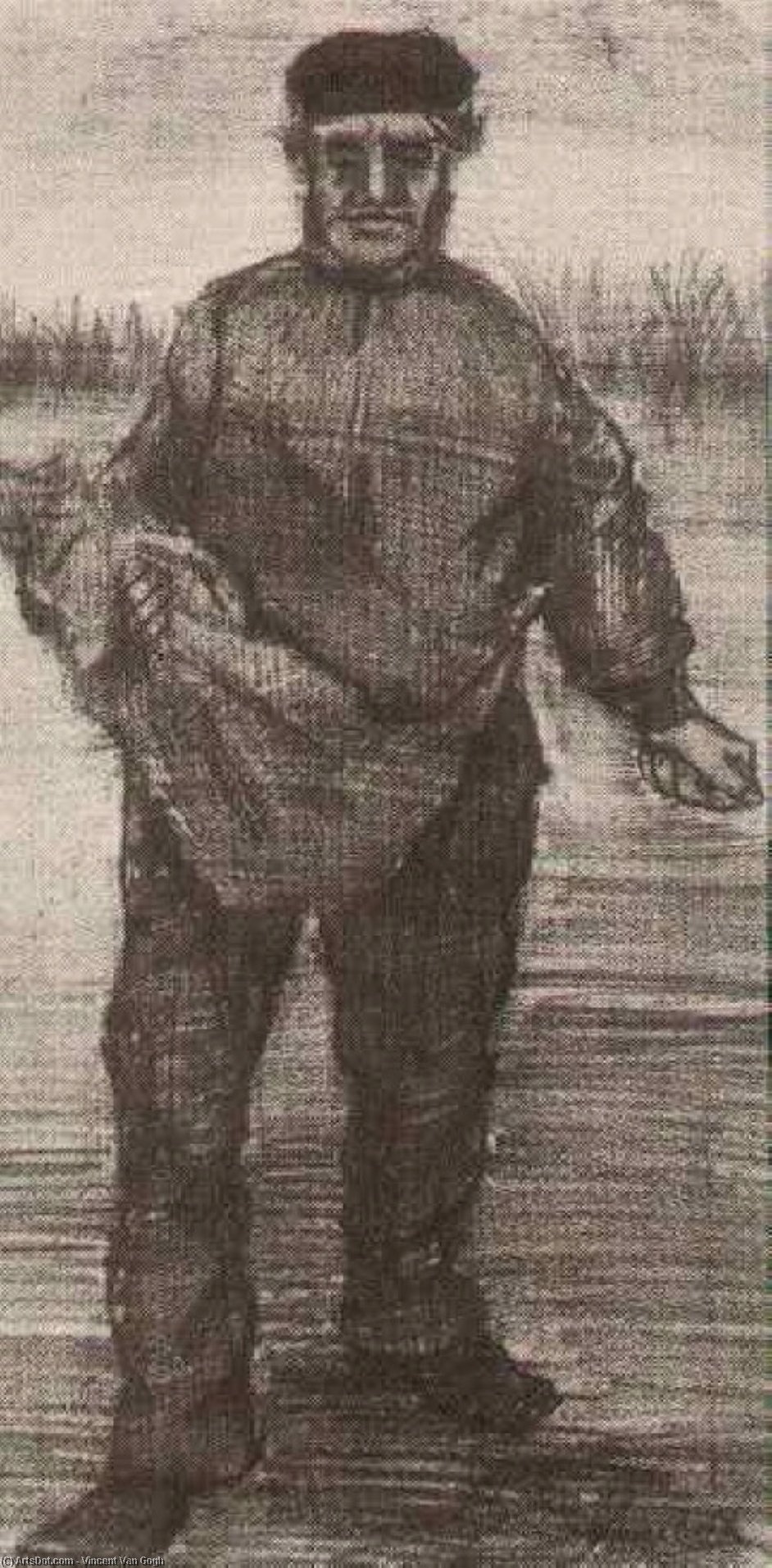
Sower (8)

Vincent van Gogh’s haunting depiction of ‘Sower,’ rendered in stark black and white, captures the melancholic beauty of rural life during the Post-Impressionist era. The artist portrays a solitary figure cradling a deceased bird—a symbol of fragility—against a tranquil landscape, inviting viewers to contemplate mortality and artistic devotion.


vincent willem van gogh (1853 - 1890)

Vincent van Gogh (1853-1890): Explore the life & art of the Dutch Post-Impressionist master behind 'Starry Night' and 'Sunflowers'. Discover his bold style & lasting impact on modern art.

A Meditation on Mortality and Renewal

  • Subject Matter: Vincent van Gogh’s *Sower* (8) depicts a solitary figure – a farmer diligently scattering seeds onto the earth—a scene steeped in biblical imagery referencing Genesis 3:17, where humankind is cursed to toil for sustenance. This simple yet profound depiction transcends mere representation; it embodies an overarching theme of perseverance amidst hardship and the cyclical nature of life itself.
  • Style & Technique: Executed in black and white lithograph stone etching, *Sower* exemplifies Van Gogh’s distinctive style honed during his time at The Hague School. Unlike his later Impressionistic canvases bursting with color, this piece prioritizes tonal gradation—a masterful manipulation of light and shadow—to convey a palpable sense of atmosphere and emotion. The artist's meticulous attention to detail is evident in the rendering of the farmer’s weathered face and hands, conveying both vulnerability and unwavering determination.
  • Historical Context:
    • Published in 1882 during Van Gogh’s formative years, *Sower* reflects his growing interest in biblical narratives and his exploration of themes related to faith and suffering. It emerged from a period marked by intense personal turmoil—Van Gogh wrestled with mental illness—yet simultaneously fueled by an unwavering commitment to artistic expression.
    • The Hague School, to which Van Gogh briefly belonged, championed realism and tonal landscapes, rejecting the flamboyant brushstrokes favored by Impressionists. This stylistic choice underscores Van Gogh’s desire to communicate profound ideas through understated visual language.
  • Symbolism: The sower himself serves as a potent symbol of hope and regeneration—representing God's provision for humanity despite inevitable difficulties. The scattered seeds symbolize potential, fertility, and the promise of future harvests. Furthermore, the desolate landscape underscores the hardships faced by farmers but simultaneously emphasizes the enduring beauty and resilience of nature.
  • Emotional Impact: *Sower* resonates deeply with viewers due to its ability to evoke feelings of melancholy contemplation alongside quiet optimism. The stark monochrome palette amplifies the emotional intensity of the scene, inviting introspection about themes of mortality, faith, and the human spirit’s capacity for perseverance. It's a piece that speaks volumes without uttering a word—a testament to Van Gogh’s genius in conveying complex emotions through deceptively simple imagery.