A Sanctuary of the Mind: Exploring Van Gogh’s ‘The Grounds of the Asylum’
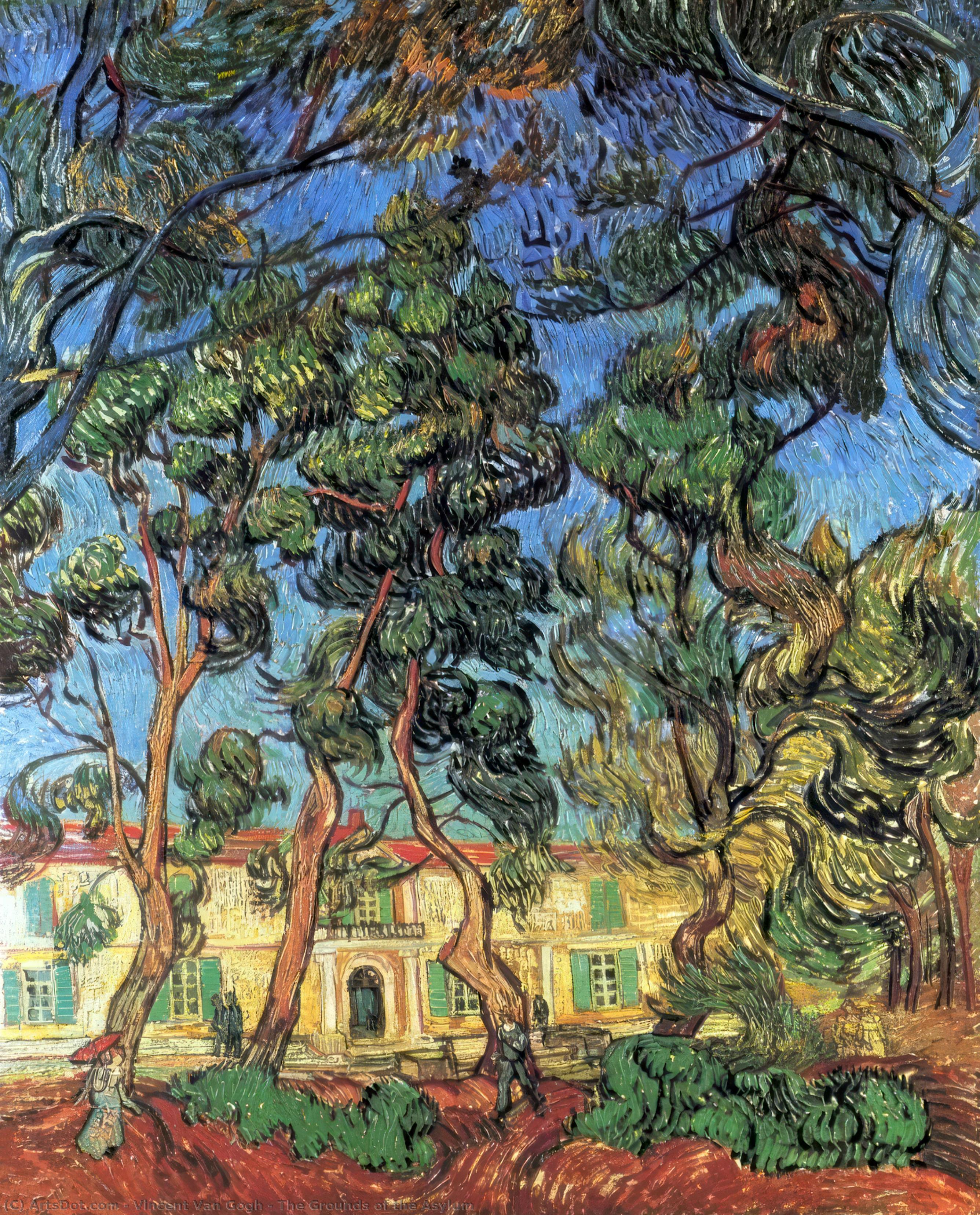
Vincent van Gogh's *The Grounds of the Asylum*, painted in 1889 during his voluntary stay at the Saint-Paul-de-Mausole asylum in Saint-Rémy, France, is far more than a simple landscape. It’s a poignant expression of hope and tranquility amidst inner turmoil, offering a glimpse into the artist's resilient spirit. Measuring 73 x 90 cm, this oil on canvas captures a serene scene – a carefully observed depiction of the asylum grounds, now housed at the Armand Hammer Museum of Art and Cultural Center.
Subject & Composition: A World Within Walls
The painting presents a view of the enclosed garden and surrounding landscape visible from Van Gogh’s window. Towering cypress trees – often interpreted as symbols of both death *and* connection between earth and heaven – frame the scene, lending it a sense of verticality and contained energy. Figures stroll through the grounds; some are closer to the viewer, while others recede into the distance, creating depth. A dog wanders freely near the center, adding a touch of domesticity and life. Two birds soar in the sky above, hinting at freedom and aspiration. The composition isn’t merely representational; it's imbued with Van Gogh’s emotional response to his surroundings.
Post-Impressionist Technique: Brushstrokes of Emotion
Van Gogh’s signature post-impressionistic style is powerfully evident here. He employs bold, expressive brushstrokes and a vibrant color palette – particularly the rich greens of the foliage and the warm tones of the earth – to convey not just what he *saw*, but how he *felt*. The impasto technique—thickly applied paint—creates texture and depth, almost allowing the viewer to feel the energy of the scene. These aren’t delicate brushstrokes; they are assertive and full of life, reflecting Van Gogh's passionate engagement with his subject matter.
Historical Context: Art Born from Struggle
Painted during a period of intense personal struggle, *The Grounds of the Asylum* is a testament to Van Gogh’s unwavering dedication to art as a means of coping and finding beauty even in confinement. He voluntarily admitted himself to the asylum following a mental breakdown, and this painting represents one of his attempts to connect with the outside world while grappling with illness. The work offers a rare insight into the environment that shaped some of his most iconic pieces, including several paintings of olive trees and wheat fields created during his stay.
Symbolism & Emotional Resonance
The painting is rich in symbolic meaning. The enclosed garden can be seen as representing Van Gogh’s own internal world – a space both confining and nurturing. The figures walking peacefully suggest a longing for normalcy and connection. The cypress trees, with their dual symbolism of mourning and eternity, speak to the artist's contemplation of life and death. Ultimately, *The Grounds of the Asylum* is not a depiction of despair but rather one of quiet resilience and the enduring power of nature to offer solace.
A Timeless Masterpiece for Today
For art lovers: This painting offers a deeply moving glimpse into Van Gogh’s psyche, revealing his ability to find beauty even in the midst of suffering.
It's a powerful reminder of the human capacity for hope and creativity.
- Its serene atmosphere makes it an ideal focal point for contemplation.
- The vibrant colors and expressive brushwork bring energy and life to any space.
For collectors: *The Grounds of the Asylum* represents a pivotal moment in Van Gogh’s career, showcasing his unique artistic vision and emotional depth.
A reproduction offers an opportunity to own a piece of art history.
For interior designers: The painting's harmonious color palette and tranquil subject matter make it a versatile addition to various design schemes – from traditional to contemporary.
It can create a calming atmosphere in living rooms, bedrooms, or offices.