Introduction
Vincent Van Gogh, a pivotal Dutch Post-Impressionist painter, produced about 2,100 artworks in just over a decade. Among these is the iconic painting "The Prison Courtyard," which exemplifies his emotive spontaneity and forcible use of color. This article delves into the historical context, artistic style, and emotional impact of this masterpiece.
Historical Context
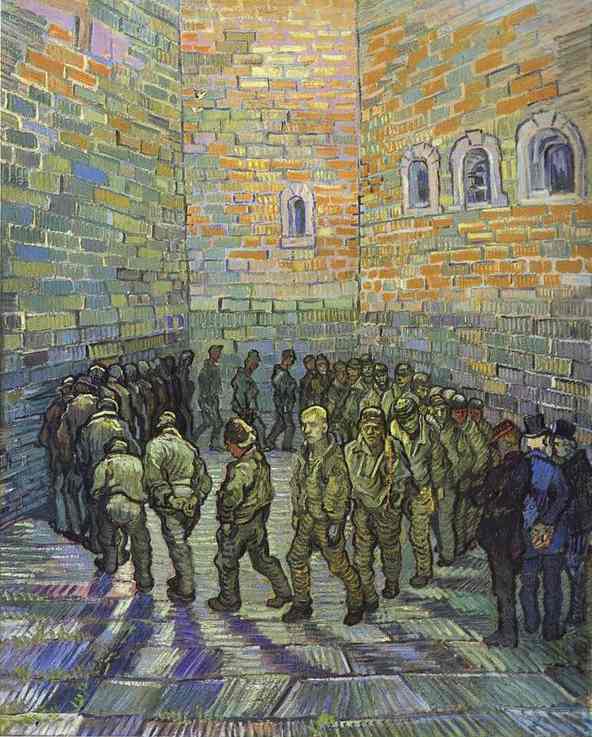
Created in 1890, "The Prison Courtyard" reflects Van Gogh's interest in social issues and his empathy for those living in difficult conditions. At the time, he was a patient at Saint-Paul-de-Mausole asylum in Saint-Rémy-de-Provence, France. The painting depicts an inner courtyard of the asylum, where patients could exercise or work in the gardens.
Artistic Style
As a Post-Impressionist painter, Van Gogh sought to express his emotions and personal experiences through color and form. In "The Prison Courtyard," he used bold, vibrant colors and dynamic brushstrokes to convey the atmosphere of the scene. The painting's swirling patterns and rhythmic composition evoke a sense of confinement and isolation, reflecting the artist's own feelings during his stay at the asylum.
Emotional Impact
"The Prison Courtyard" is a powerful exploration of human emotion and psychological turmoil. The painting's stark contrast between the barren courtyard and the lush garden beyond highlights the divide between confinement and freedom, despair and hope. Through his art, Van Gogh invites viewers to reflect on their own experiences of isolation and adversity.
Van Gogh's Legacy
Today, "The Prison Courtyard" is a cherished part of the Van Gogh Museum's collection in Amsterdam. As one of the artist's final works, it serves as a testament to his enduring creativity and resilience in the face of adversity. At https://ArtsDot.com, you can own a hand-painted reproduction of this masterpiece, crafted by our skilled oil painters.
Conclusion
"The Prison Courtyard" is a powerful and poignant work of art that showcases Vincent Van Gogh's unique artistic style and emotional depth. By exploring themes of confinement, isolation, and hope, the painting invites viewers to reflect on their own experiences and find solace in the beauty of art.
Note: To learn more about Post-Impressionism and other art movements, visit our
Art Movement Introduction page at /art/list/?Filter=A@D3CR9H-. For a closer look at Van Gogh's life and works, check out his artist profile at
Vincent Van Gogh | Vincent Willem van Gogh on our website.