A Moment Frozen in Time: The Story Behind the Painting
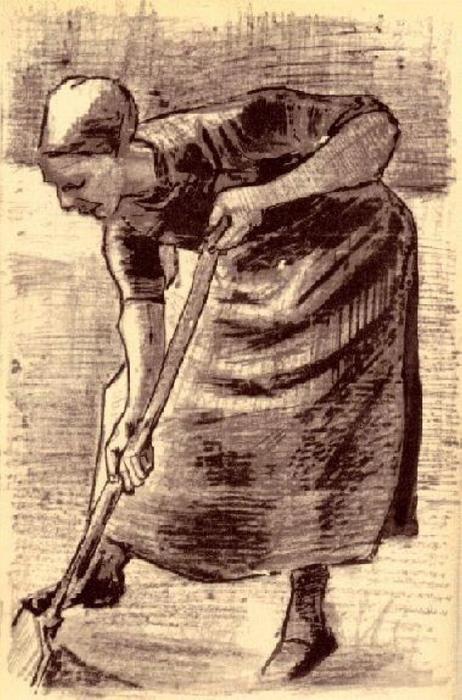
Vincent van Gogh's “Woman with a Parasol – Study,” painted in June 1890, just weeks before his tragic death in Auvers-sur-Oise, France, offers a remarkably intimate glimpse into the artist’s final months. Unlike the more vibrant and overtly emotional works that often define his oeuvre, this study is characterized by a subdued palette of blues, greens, and browns, creating an atmosphere of contemplative stillness. It's not a grand statement; rather, it feels like a captured breath – a fleeting moment of observation transformed into enduring art. The painting depicts a young woman, likely van Gogh’s brother Theo’s wife, Sien Hoornik, strolling through a field, her parasol providing a delicate shield against the sun. The loose brushwork and unconventional composition immediately distinguish it from his more formally structured pieces, hinting at a desire to capture not just an image but also the feeling of a summer afternoon.

Impasto and Emotion: Van Gogh's Unique Technique
Van Gogh’s distinctive technique is immediately apparent in “Woman with a Parasol – Study.” He employs thick, visible brushstrokes—a hallmark of his impasto style—to build up the surface of the canvas. This wasn’t merely a stylistic choice; it was integral to his expressive intent. The raised paint creates a tactile quality, inviting the viewer to almost feel the wind rustling through the woman's hair and the warmth of the sun on her skin. The heavy application of pigment, particularly in the parasol and the surrounding foliage, adds depth and dynamism to the composition. Notice how he uses short, choppy strokes to convey movement and texture, contrasting with smoother, blended areas that define the figure’s form. This deliberate manipulation of paint is a key element in conveying his emotional response to the scene – a sense of both serenity and underlying melancholy.
Symbolism Within the Everyday
While seemingly simple, “Woman with a Parasol – Study” is rich in symbolic potential. The parasol itself can be interpreted as a protection against the harsh realities of life, perhaps reflecting van Gogh’s own struggles with mental illness and his isolation. The woman's posture—slightly turned away from the viewer—creates a sense of distance and mystery. She isn’t inviting conversation; she is lost in her own thoughts. The field itself represents freedom and openness, yet it also suggests vulnerability and exposure. The color palette – predominantly cool blues and greens – often associated with tranquility and reflection, further reinforces this mood. It's important to note that this is a ‘study,’ an initial exploration of a theme rather than a fully realized masterpiece, which adds to its poignant charm.
A Window into Van Gogh’s Final Days
“Woman with a Parasol – Study” offers a profoundly personal and moving connection to Vincent van Gogh. Painted during a period of intense emotional turmoil and physical suffering, it represents a moment of quiet contemplation amidst his struggles. The painting's subdued tones and intimate subject matter suggest a desire for peace and serenity—a yearning that ultimately proved unattainable. As such, this work transcends mere portraiture; it’s a poignant testament to the artist’s humanity, offering a rare glimpse into his inner world just before his untimely death. Reproductions of this piece allow us to appreciate not only Van Gogh's artistic genius but also the profound emotional depth that fueled his extraordinary creativity.