Introduction to the Painting
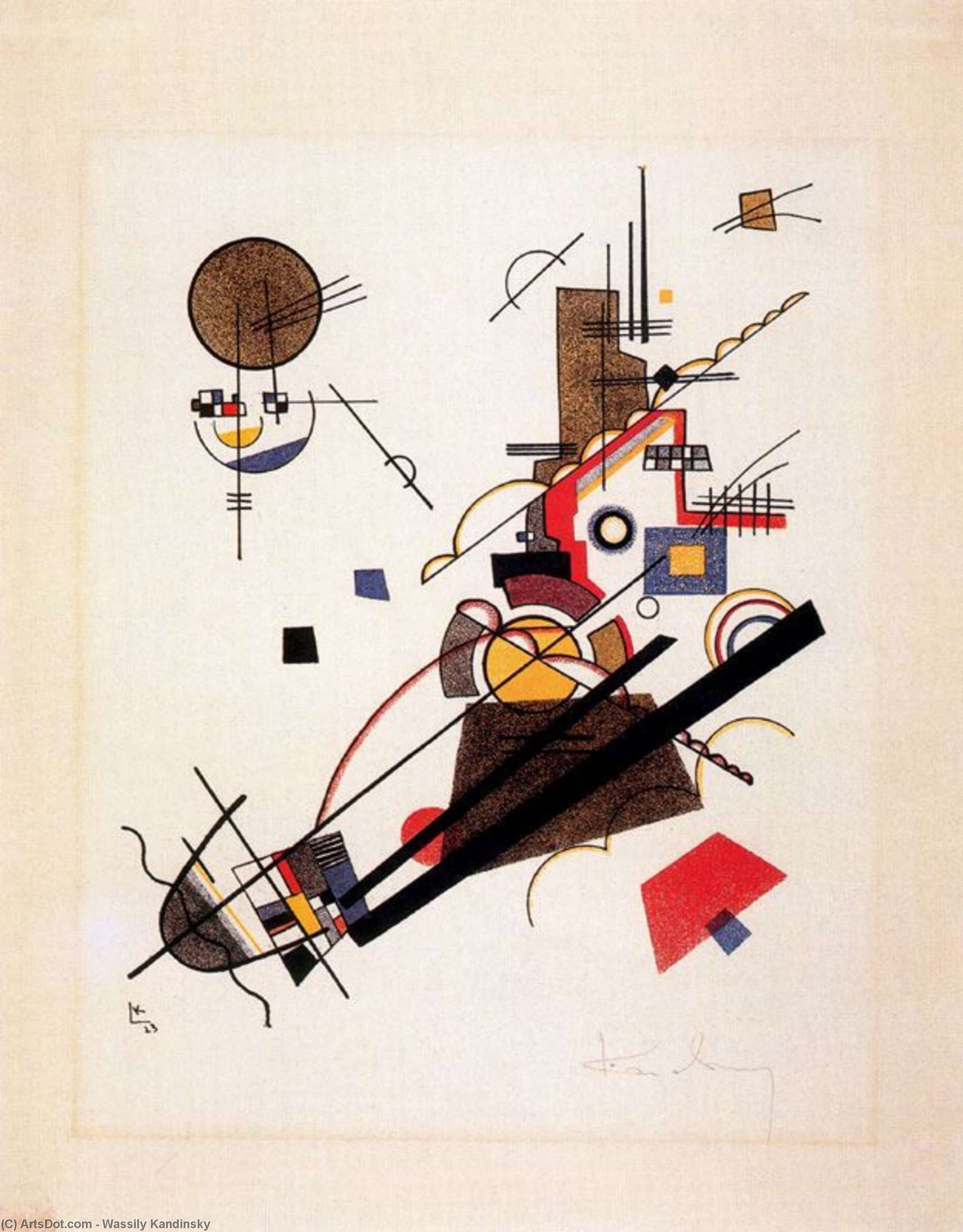
Alegre Ascensión is a seminal work by
Wassily Kandinsky, created in 1925. This oil on canvas painting measures 130 x 130 cm and is considered one of the most important pieces of abstract art from the early 20th century. As a pioneer of abstract art, Kandinsky continues to inspire artists and collectors alike with his innovative style and visionary approach.
Wassily Kandinsky (1866-1944) was a Russian painter and art theorist who co-founded the Munich-based expressionist group
Der Blaue Reiter (The Blue Rider). His artistic career began in Germany, where he explored new ways of expressing emotions through color and form. For more information on Kandinsky's life and work, visit
ArtsDot.com.
This painting is a prime example of Kandinsky's abstract style, featuring bold colors, geometric shapes, and dynamic lines. The artwork is divided into two distinct areas: the upper half features bright yellows, oranges, and reds, while the lower half is dominated by cool blues and greens. This contrast creates a sense of tension and energy, drawing the viewer's eye towards the center of the canvas.
Some notable features of this painting include:
- Geometric shapes: Circles, triangles, and squares intermingle to create a complex visual language.
- Bold colors: Vibrant hues such as reds, blues, yellows, and greens add to the overall energy of the piece.
- Dynamic lines: Sweeping brushstrokes and bold outlines contribute to the sense of movement and fluidity.
To explore more of Kandinsky's works, including
Small Dream in Red and
Angel of the Last Judgment, visit
ArtsDot.com.
For a deeper understanding of abstract art and its history, refer to
ArtsDot.com's article on Top 5 Famous Expressionism Artists of All Time.