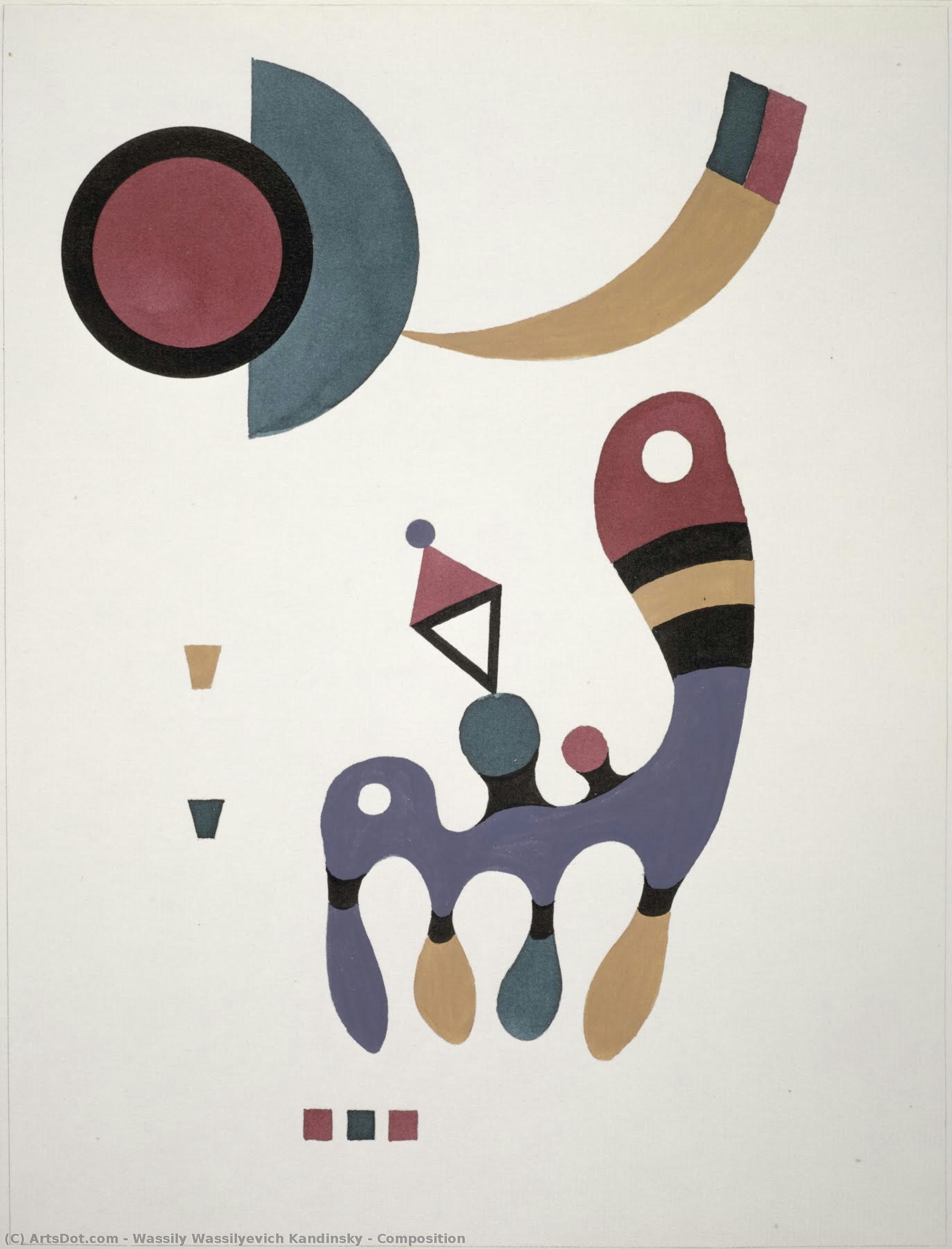
Explore Wassily Kandinsky’s "Composition" (1944), a dynamic abstract masterpiece featuring geometric shapes & vibrant colors. A key work of early modern art, embodying spirituality and movement.
Composition 8 (Komposition 8) – Wassily Kandinsky
Vasily Kandinsky’s “Composition 8,” created in 1923, stands as a cornerstone of abstract expressionism and represents a pivotal moment in the artist's artistic evolution. Painted during his time at Bauhaus—a German art school that championed experimental design and craftsmanship—the canvas embodies Kandinsky’s unwavering belief in color and form as conduits for spiritual experience.
The artwork itself is dominated by a monumental expanse of white, punctuated by vibrant geometric shapes – predominantly circles and rectangles – arranged with meticulous precision. Unlike his earlier expressionist works characterized by turbulent brushstrokes and emotive imagery, “Composition 8” showcases a newfound serenity and balance. Kandinsky deliberately eschewed representational elements, prioritizing the pure visual language of abstraction to convey profound emotional resonance.
- Style: Bauhaus – Reflecting the school’s ethos of functionalism and artistic innovation, the piece exemplifies geometric abstraction with an emphasis on harmonious proportions.
- Technique: Kandinsky employed a layering technique using oil paints on canvas, achieving subtle textural variations that enhance the visual depth without resorting to illusionistic perspective.
- Historical Context: Emerging from the aftermath of World War I and fueled by philosophical inquiries into Jungian psychology, “Composition 8” aligns with broader artistic trends exploring subconsciousness and spiritual symbolism.
Symbolically, the circular forms evoke notions of wholeness and unity—a deliberate departure from the fragmented imagery prevalent in earlier art movements. The rectangles contribute to structural stability while simultaneously suggesting horizontal movement, mirroring the artist’s desire to capture the dynamism inherent within stillness.
“Composition 8” transcends mere visual aesthetics; it invites contemplation on themes of harmony, balance, and inner transformation—a testament to Kandinsky's enduring legacy as a pioneer of abstract art and a visionary championing the expressive power of color and form. Its quiet grandeur continues to inspire artists and collectors alike.