Discover Wassily Kandinsky (1866-1944), the pioneer of abstract art! Explore his vibrant expressionism, spiritual themes & Bauhaus legacy through stunning reproductions.
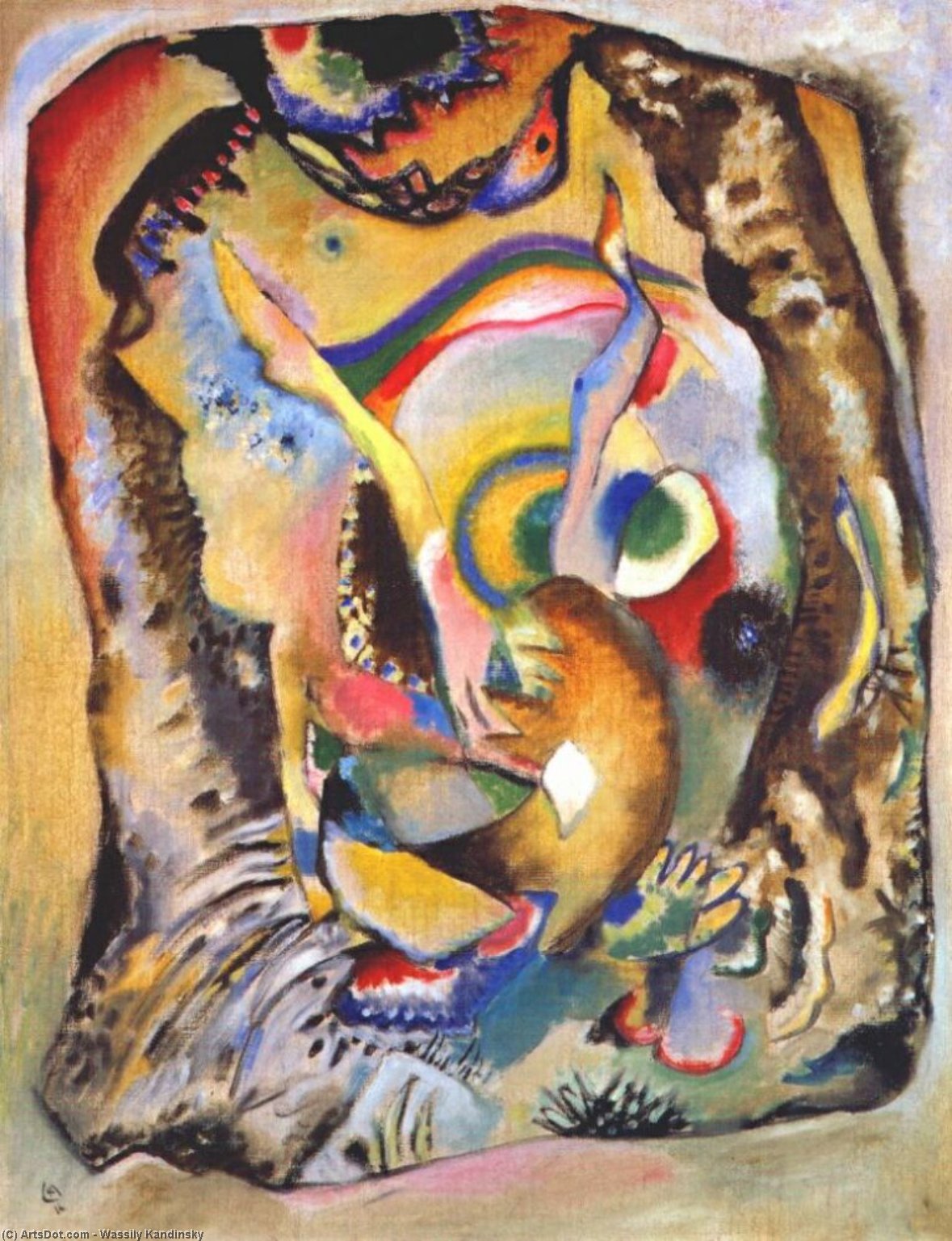
Painting on Light Ground
Wassily Kandinsky's Painting on Light Ground is a seminal work in the realm of abstract art, created in 1916. This oil on canvas masterpiece stands as a testament to Kandinsky’s innovative and expressive style, which continues to inspire artists and art enthusiasts alike. As a prominent figure in the Expressionism movement, Kandinsky sought to evoke emotions and inner experiences through his vibrant and dynamic compositions—a radical departure from representational painting that aimed to transcend mere visual depiction. He believed that color and form could communicate directly with the subconscious mind, bypassing rational thought and accessing deeper levels of feeling.
Composition and Symbolism
The painting features a woman at its center, surrounded by an array of shapes and colors that create a sense of depth and complexity. This central figure isn’t merely depicted; she embodies transformation—a visual metaphor for birth or spiritual awakening. The artist meticulously crafted this image to convey not just what he saw but what he *felt*, prioritizing emotional resonance over literal accuracy. Notice the interplay between geometric forms – circles, squares, triangles – which are juxtaposed with amorphous blobs of color, representing spontaneous energy and intuition. These elements aren’t randomly placed; they operate according to Kandinsky's theoretical framework, where colors possess inherent spiritual qualities and shapes express specific psychological states. The artist deliberately utilized these visual devices to stimulate contemplation and provoke a response from the viewer—a core ambition of Expressionist art.
Artistic Style and Influences
Kandinsky’s style is characterized by its unwavering focus on color and form, which are employed to convey emotions and ideas with unparalleled intensity. His groundbreaking approach drew inspiration from various artistic movements preceding him, including Fauvism and Cubism—though Kandinsky rejected the latter's fragmentation as limiting. He championed a method of painting that prioritized intuition and spontaneity, rejecting academic conventions in favor of exploring the expressive potential of pure abstraction. The artist’s palette is dominated by bold hues – yellows, blues, reds – each carefully considered to elicit particular sensations and moods. This deliberate use of color aligns with Kandinsky's belief that it holds a fundamental role in shaping human consciousness—a conviction that profoundly influenced his artistic practice.
The State Tretjakov Gal
The State Tretjakov Gallery houses an impressive collection of Kandinsky’s works, including Moscow I, which showcases his early experimentation with abstract forms and demonstrates the evolution of his style throughout his career. This monumental canvas exemplifies Kandinsky's commitment to exploring the expressive power of color and shape—a pursuit that cemented his position as a pioneer of modern art. Viewing Moscow I offers an opportunity to appreciate the artist’s meticulous attention to detail and his masterful command of technique, alongside gaining insight into the broader context of Expressionism and its impact on artistic innovation.
Exploring Kandinsky's Legacy
For more information on Kandinsky's life and work, visit Top 5 Famous Expressionism Artists of All Time—a resource that delves into the lives and achievements of influential figures who reshaped the landscape of art history. You can also explore the world of abstract art and its key figures, including Josef Capek, at Josef Capek.