A Portrait of Bold Expressionism: Willem de Kooning’s “Mae West”
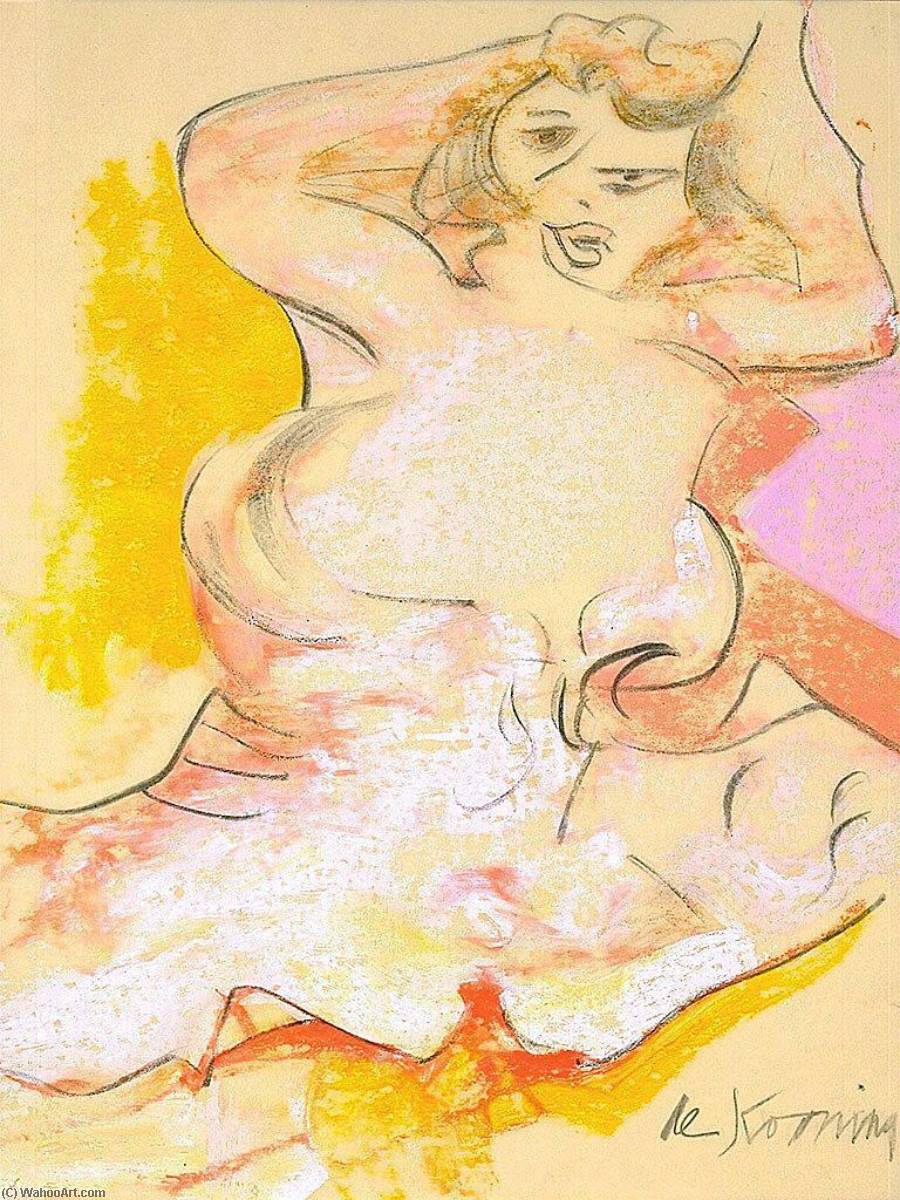
The painting "Mae West," executed in 1964 by Willem de Kooning, stands as a cornerstone of Abstract Expressionism and embodies the movement's core tenets – spontaneity, emotional intensity, and a deliberate rejection of representational accuracy. More than just a depiction of a woman, it’s an exploration of primal instinct and psychological complexity rendered with unparalleled dynamism. The subject itself is Mae West, the iconic actress known for her provocative performances and unapologetic sexuality, chosen by de Kooning as a vehicle to convey profound emotional states rather than literal likeness.
- Subject Matter: De Kooning’s decision to portray West wasn't merely about celebrity; it was about confronting anxieties surrounding femininity and desire. He aimed to capture the essence of female sexuality, presenting it not as idealized beauty but as a force both alluring and unsettling.
- Style & Technique: The painting belongs firmly within de Kooning’s signature style – a turbulent blend of gestural abstraction and figurative elements. Thickly applied paint—primarily cadmium yellow and orange—creates an agitated surface texture that pulsates with energy. De Kooning employed a technique known as “all-over painting,” where pigment is spread across the canvas without discernible compositional boundaries, prioritizing feeling over form.
Historical Context: The Rise of Abstract Expressionism
“Mae West” emerged during the fervent period of Abstract Expressionism in New York City (roughly 1940s-1960s), a reaction against European Surrealism and Cubism. Artists like Jackson Pollock, Mark Rothko, and Barnett Newman sought to express inner emotions directly onto the canvas, bypassing intellectual mediation. De Kooning’s work aligns perfectly with this ethos, reflecting the anxieties of postwar America – disillusionment after World War II, concerns about societal change, and a burgeoning interest in psychoanalytic theory. The painting captures the spirit of experimentation and rebellion that characterized the era.
Symbolism & Emotional Impact
The woman’s pose—lying on her back with one arm raised—is deliberately ambiguous. It suggests vulnerability yet simultaneously conveys defiance. The large belly symbolizes fecundity and primal instinct, hinting at themes of motherhood and fertility alongside anxieties about female identity. De Kooning's masterful use of color contributes significantly to the painting’s emotional resonance. The dominant yellows and oranges evoke warmth, passion, and perhaps even danger—mirroring West’s persona and conveying a sense of unrestrained emotion. Viewing “Mae West” is an immersive experience; it compels contemplation on themes of desire, vulnerability, and the complexities of human psychology.
Why Choose a Reproduction?
A high-quality reproduction of Willem de Kooning's "Mae West" offers collectors and interior designers alike access to the profound artistic legacy of Abstract Expressionism. ArtsDot.com’s meticulous printing process guarantees vibrant color accuracy and exceptional detail, faithfully capturing the painting’s textural dynamism and emotional intensity—allowing you to bring this iconic artwork into your home or workspace.