A Tempestuous Portrait: De Kooning’s ‘Marilyn Monroe’
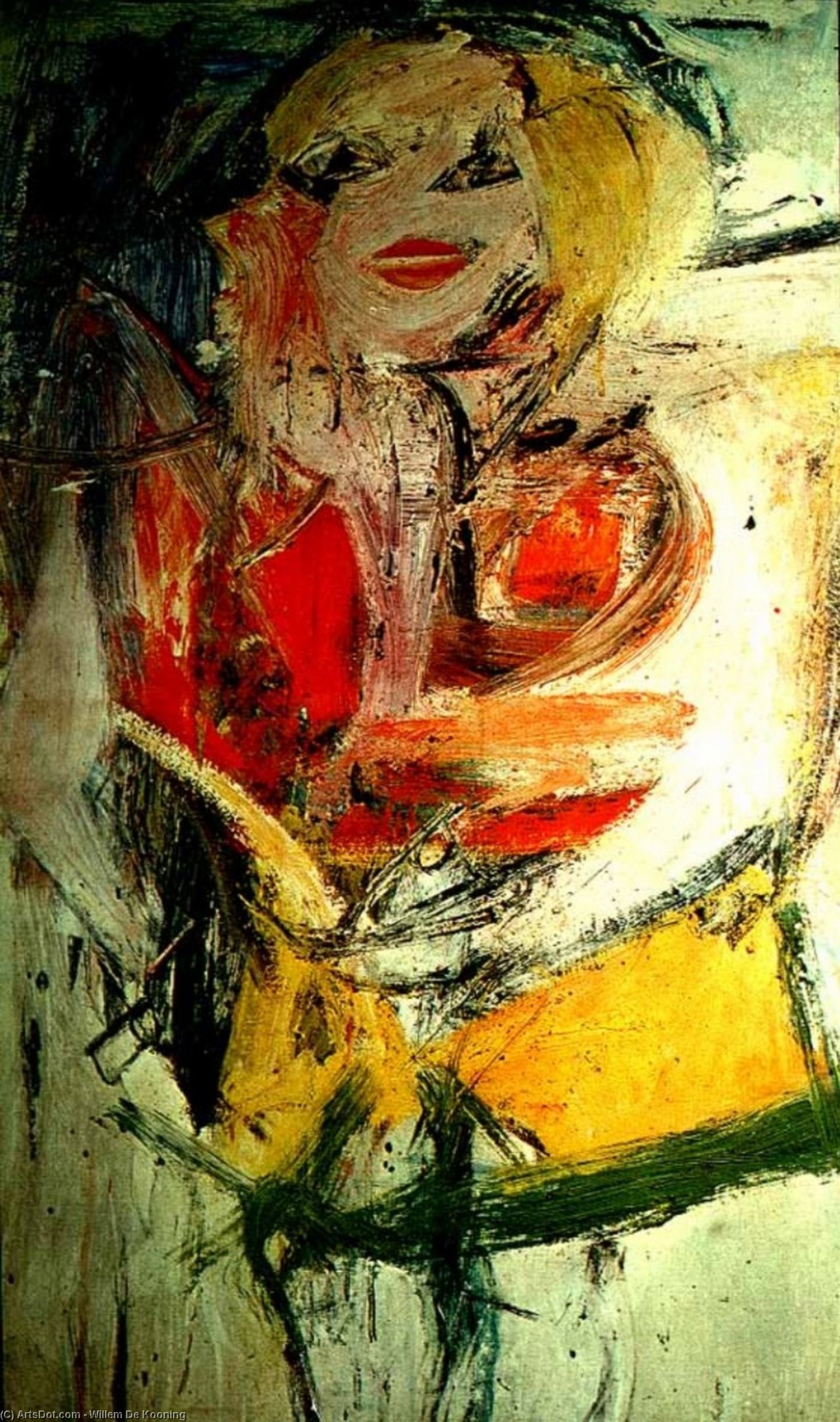
Created in 1954, Willem de Kooning's *Marilyn Monroe* is not a conventional portrait of the iconic actress. Instead, it’s a visceral and emotionally charged interpretation that reflects the artist’s engagement with popular culture and his signature Abstract Expressionist style. This painting offers a fascinating glimpse into De Kooning’s approach to figuration and his ability to convey complex emotions through abstract means.
Deconstructing an Icon: Subject & Style
- Subject Matter: While ostensibly depicting Marilyn Monroe, the painting transcends mere representation. De Kooning doesn’t aim for likeness; rather, he captures a sense of her public persona – the vulnerability and underlying turmoil often masked by glamour.
- Stylistic Influences: The work sits firmly within the realm of Abstract Expressionism, sharing characteristics with artists like Jackson Pollock and Franz Kline. However, De Kooning uniquely blends abstraction with recognizable figuration, creating a dynamic tension that defines his style. Elements of Expressionism are also present in the raw emotionality conveyed.
- A Pivotal Moment: 1954 was a significant year for both De Kooning and American culture. The painting emerged during a period of burgeoning celebrity worship, post-war anxiety, and artistic experimentation.
Technique & Materials: A Gestural Force
- Oil on Canvas: De Kooning’s masterful use of oil paint is central to the painting's impact. The thick, impasto application creates a tactile surface and emphasizes the physicality of the artistic process.
- Gestural Brushwork: Loose, energetic brushstrokes define the form, conveying movement and instability. Drips and splatters add to the sense of spontaneity and raw emotion.
- Color Palette & Composition: Dominated by reds, yellows, and whites, the color scheme is both vibrant and unsettling. The vertical composition focuses attention on the central figure while swirling patterns in the background create a sense of unease and psychological depth.
Symbolism & Emotional Resonance
- Color Symbolism: The intense reds can be interpreted as representing passion, anger, or even violence. Yellows suggest hope, anxiety, or the artificiality of fame.
- Deconstructed Form: The fragmented and distorted depiction of Monroe’s face reflects a sense of inner turmoil and challenges conventional notions of beauty and celebrity.
- Emotional Impact: *Marilyn Monroe* evokes feelings of vulnerability, anxiety, and the pressures of public life. It's a powerful statement about the complexities of identity and the human condition.
Historical Context & Legacy
- Pop Culture Intersection: De Kooning’s engagement with Marilyn Monroe reflects a broader trend in post-war art – the incorporation of popular imagery and themes into high art.
- A Lasting Influence: This painting remains a significant work within De Kooning's oeuvre and a compelling example of Abstract Expressionism. It continues to inspire artists and captivate audiences with its emotional intensity and innovative approach to portraiture.
- The artwork serves as a powerful reminder that even the most iconic figures are subject to inner struggles and complexities, making it a timeless piece for collectors and art enthusiasts alike.