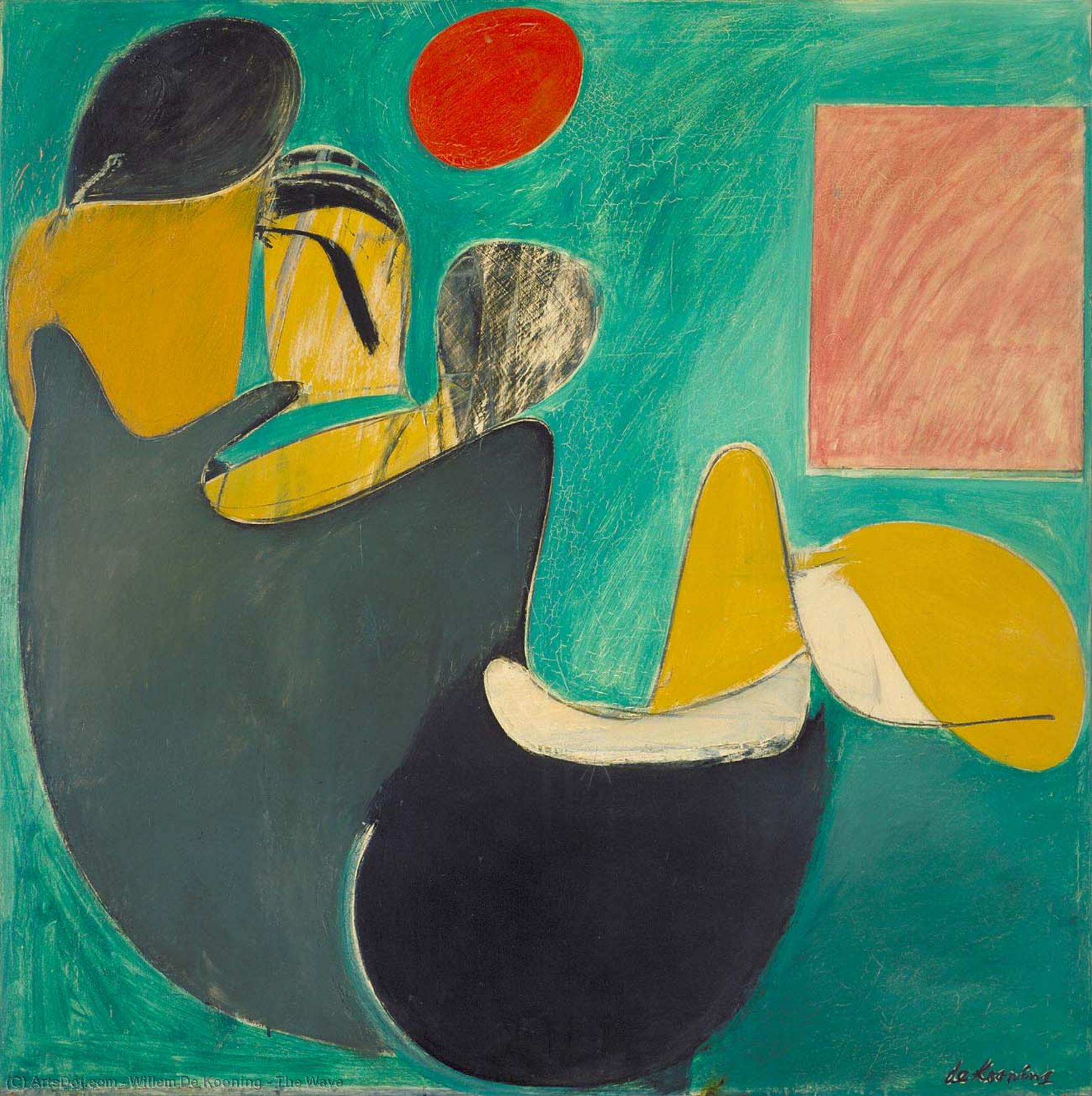
The painting
The Wave by
Willem de Kooning is a seminal work in the history of art, exemplifying the style and themes of
Abstract Expressionism. This movement, which emerged in the early 20th century, emphasized the emotional intensity and bold use of color. As seen on
ArtsDot.com,
The Wave is a dynamic and expressive painting that showcases de Kooning's mastery of gestural brushwork.
Style and Themes
The Wave features swirling brushstrokes and vibrant colors, evoking the sensation of movement and energy. The painting's style is characterized by its
abstract and
expressionist elements, which invite viewers to engage with the emotions and themes conveyed through its form and color. As discussed on
ArtsDot.com's Abstractism Art Movement page, abstract art uses shape, form, color, and line to create compositions independent from visual references in the world.
Place in Art History
Willem de Kooning was a prominent figure in the
Abstract Expressionist movement, which revolutionized the art world in the mid-20th century. As noted on
Wikipedia's 20th-century Western painting page, this movement was characterized by its emphasis on emotional intensity and bold use of color.
The Wave is considered a masterpiece of
Abstract Expressionism and continues to captivate audiences with its powerful emotional impact.
- The Wave is part of the collection at the Museum of Modern Art (MoMA) in New York City.
- The painting's style and themes have influenced generations of artists, including those associated with the Pop Art movement.
- Willem de Kooning's contributions to Abstract Expressionism have solidified his place as one of the most influential artists of the 20th century.
Discover more about Abstract Expressionism and other art movements on our Art Movements Timeline. To learn more about
Willem de Kooning's life and work, visit his dedicated page on our website:
Dorothy Eisner.
The significance of
The Wave lies in its ability to evoke emotions and challenge traditional notions of art. As a masterpiece of
Abstract Expressionism, it continues to inspire and captivate audiences, solidifying its place as a timeless work in the annals of art history.