A Portrait Steeped in Symbolism: Exploring William Blake’s “Edward Charles Wickham”
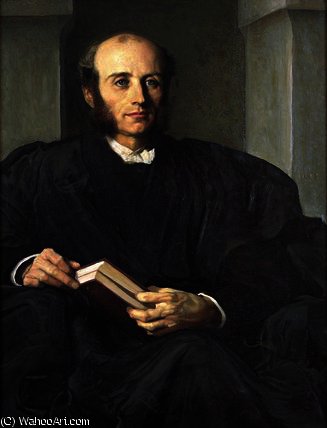
The painting "Edward Charles Wickham," attributed to the enigmatic Romantic poet and artist William Blake (1757-1827), presents a deceptively simple composition—a seated man absorbed in reading—yet it resonates with layers of profound symbolism and technical innovation that encapsulate the spirit of its era. Captured on canvas, likely around 1803, this portrait transcends mere likeness; it embodies Blake’s characteristic preoccupation with spiritual contemplation and his masterful manipulation of artistic conventions to convey complex psychological states.
- Subject Matter & Appearance: The central figure is Edward Charles Wickham, a gentleman identified by Blake as a friend and fellow poet. His formal attire—a suit and tie—suggests respectability and social standing, mirroring the aspirations of the educated elite during Blake’s lifetime. However, his stern gaze and furrowed brow betray an inner seriousness, hinting at intellectual engagement and perhaps even wrestling with weighty ideas.
- Style & Technique: Blake employed a distinctive style characterized by bold lines and flattened planes—a technique he honed through his extensive experience in engraving, where precision was paramount. The painting’s subdued palette—primarily browns and ochres—contrasts sharply with the vibrant hues often associated with Romantic art, reflecting Blake's deliberate choice to prioritize mood and atmosphere over realistic representation.
The historical context surrounding “Edward Charles Wickham” is inextricably linked to the burgeoning intellectual fervor of the Romantic movement. Blake’s work emerged during a period marked by disillusionment with Enlightenment rationalism and an increasing fascination with folklore, mythology, and visionary experiences—themes that found expression in his poetry alongside his paintings. He sought to depict not just what he saw but what he *felt*, channeling spiritual truths into visual form.
- Symbolic Elements: Beyond the figure’s demeanor, several symbolic elements contribute to the painting's overall impact. The clock hanging above Wickham’s head serves as a potent reminder of mortality and the relentless march of time—a recurring motif in Blake’s oeuvre that underscores his belief in the importance of confronting existential anxieties.
- Emotional Resonance: “Edward Charles Wickham” evokes a sense of quiet contemplation and intellectual introspection. The painting invites viewers to consider themes of knowledge, responsibility, and the pursuit of spiritual understanding—qualities Blake himself championed throughout his life’s work.
A reproduction of this artwork offers an exceptional opportunity to appreciate Blake's artistic genius and immerse oneself in the aesthetic sensibilities of Romantic England. ArtsDot.com provides meticulously crafted reproductions that faithfully capture the painting’s nuanced tonal qualities and textural subtleties, allowing collectors and interior designers alike to experience the enduring beauty and intellectual depth of this seminal piece.