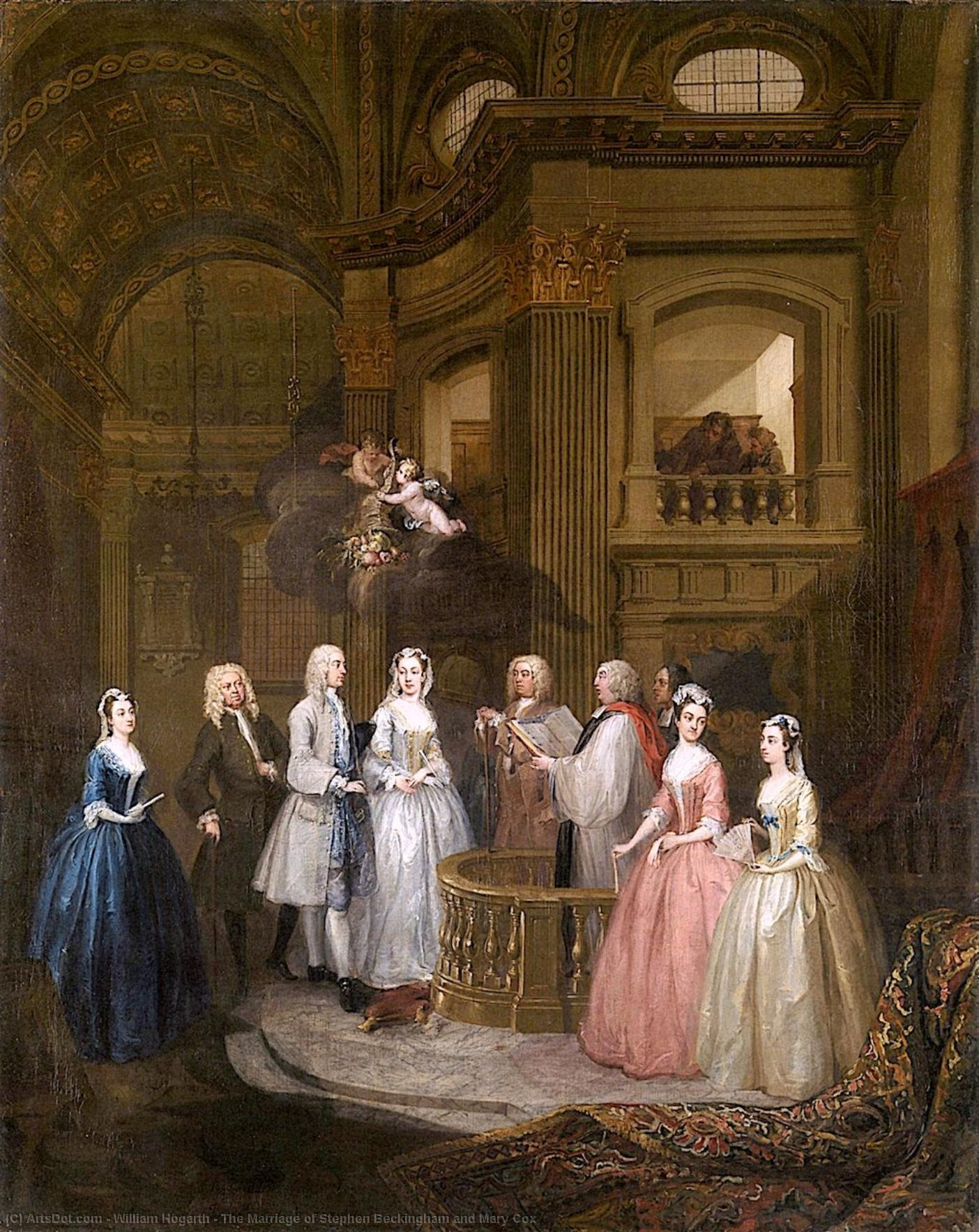
The painting’s meticulous detail—particularly the portrayal of the wedding guests—offers a window into the social customs and expectations of 18th-century London. Hogarth's use of light and shadow contributes to the dramatic atmosphere, enhancing the narrative's impact.
Explore the satirical world of William Hogarth (1697-1764), pioneering English painter & engraver. Discover *A Harlot's Progress* & insightful social commentary.
Explore The Metropolitan Museum of Art: 5,000 years of art from around the world! Discover masterpieces, ancient artifacts & immersive exhibitions – a global art destination awaits.
A Tableau of Georgian Elegance
In the year 1729, William Hogarth captured a moment that transcends the simple boundaries of a wedding ceremony. The Marriage of Stephen Beckingham and Mary Cox is far more than a record of a union between a London barrister and the daughter of a prominent businessman; it is a profound window into the social fabric of Georgian England. The scene unfolds within a richly appointed room, where the air seems thick with the gravity of tradition and the quiet whispers of societal expectation. Hogarth meticulously arranges his subjects to reflect the stability and burgeoning prestige of the era, creating a narrative that speaks to the very heart of 18th-century social ritual.
The Art of Observation and Light
Hogarth’s technical mastery is most evident in his command of chiaroscuro, the dramatic interplay between light and shadow that lends the composition its remarkable depth. A grand chandelier serves as a luminous anchor, casting a soft glow across the assembled guests and highlighting the intricate textures of their formal attire. Every detail—from the subtle, psychological nuances in a guest's expression to the heavy drapery of the room—is rendered with a precision that suggests the artist's background in etching. For the interior designer or collector, this mastery of light offers an unparalleled opportunity to introduce a sense of classical drama and textural richness into a space, making it a centerpiece that commands attention through its sheer luminosity.
An Enduring Legacy for the Discerning Collector
Beyond its aesthetic brilliance, the painting serves as a poignant commentary on the values of the Enlightenment. It captures the tension between individual emotion and the rigid social conventions of the time, offering a layer of intellectual depth that invites continuous contemplation. To display a high-quality reproduction of this work is to bring a piece of history into the modern home—a way to anchor a room with themes of permanence, class, and human connection. It remains an evocative choice for those seeking to surround themselves with art that is not only visually captivating but also deeply rooted in the storied evolution of British identity.