A Snapshot of Urban Decay: Hogarth’s “The Theft of a Watch”
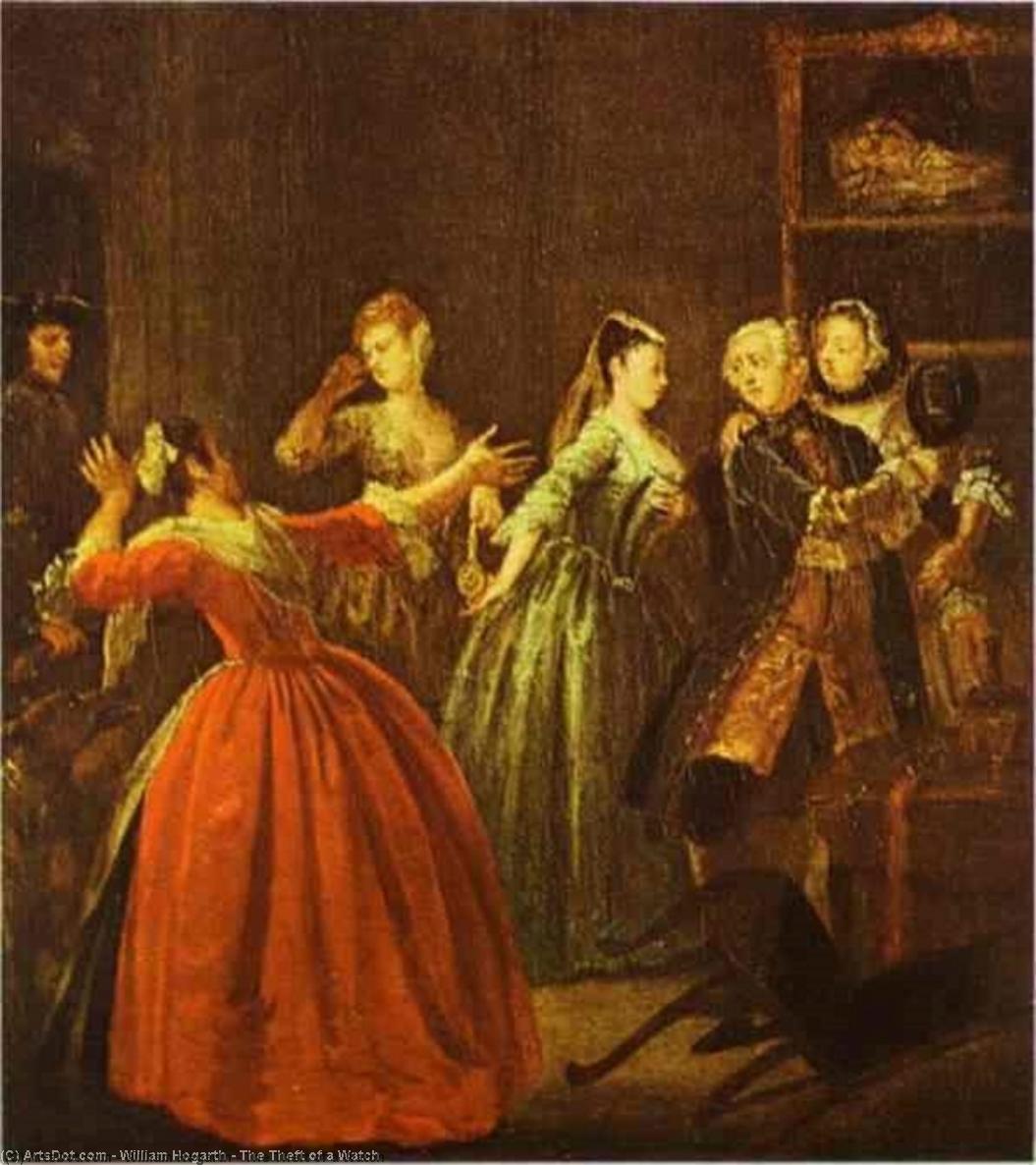
William Hogarth's "The Theft of a Watch," painted in 1731, isn’t merely a depiction of petty crime; it’s a meticulously crafted moral fable rendered with the sharp eye and unflinching realism that defined the artist. This oil on canvas work, now immortalized through ArtsDot’s stunning reproductions, offers a captivating glimpse into the social anxieties and burgeoning corruption simmering beneath the veneer of 18th-century London. More than just a narrative scene, it's a carefully constructed tableau designed to expose the consequences of deceit and the erosion of virtue within a rapidly changing society. The painting immediately draws the viewer in with its dynamic composition – a bustling room filled with figures caught in moments of surprise, accusation, and quiet contemplation. Hogarth masterfully utilizes light and shadow, creating a sense of immediacy and drawing our attention to the central drama unfolding before us: the furtive snatching of a watch from a gentleman’s pocket.
Classicism and Social Commentary
“The Theft of a Watch” firmly establishes itself within the framework of Classicism, a style characterized by its emphasis on order, proportion, and rational clarity. However, Hogarth doesn't simply replicate classical ideals; he subverts them to serve his own critical purpose. The room itself is meticulously rendered – a dining table laden with food, chairs arranged in a deliberate manner, and the overall arrangement reflecting a sense of established social hierarchy. Yet, this order is immediately disrupted by the illicit act at its heart. The figures are dressed in clothing typical of the period, each garment subtly hinting at their character and social standing. The gentleman’s elaborate waistcoat and the woman's vibrant red dress stand in stark contrast to the furtive movements of the thief, highlighting the disparity between outward appearances and inner corruption. Hogarth’s skill lies not just in his technical proficiency but in his ability to use visual cues – clothing, posture, facial expressions – to convey complex moral judgments.
Decoding the Scene: Symbolism and Narrative
The painting is rich with symbolic detail, inviting multiple layers of interpretation. The stolen watch itself represents more than just a valuable possession; it symbolizes trust, honesty, and the sanctity of personal property. The thief’s actions represent a breach of this fundamental social contract, exposing a disregard for ethical behavior. Notice the reactions of the other characters – the woman's shocked gesture, the man's bewildered expression, and the seemingly oblivious figures engaged in their own conversations. These responses underscore the pervasive atmosphere of suspicion and moral decay that Hogarth sought to portray. The inclusion of a dining table suggests a scene of convivial gathering, yet this apparent harmony is shattered by the act of theft, revealing the underlying tensions within the social fabric. The painting’s narrative isn't simply about a single crime; it’s an indictment of a society where virtue is undermined and honesty is compromised.
Hogarth’s Legacy and ArtsDot’s Reproduction
William Hogarth was a pioneer in British art, moving beyond the traditional portraiture and landscape painting of his time to create works that offered sharp social critiques. His series, including “The Theft of a Watch,” were intended not just as aesthetic objects but as visual lectures on morality and civic responsibility. ArtsDot’s hand-painted reproductions strive to capture the essence of Hogarth's original vision – the meticulous detail, the dramatic lighting, and the profound moral message. By meticulously recreating the painting’s textures and colors, we offer a faithful representation that allows viewers to experience the artwork as it was originally intended. The reproduction faithfully captures the dynamism of the scene, inviting you to step into Hogarth's London and contemplate the timeless themes of trust, deception, and the consequences of our actions. Explore more of William Hogarth’s masterpieces through ArtsDot – where art history comes alive.
- Size:** Available in a range of sizes to suit your space and budget.
- Material:** Hand-painted on archival-quality canvas using traditional oil painting techniques.
- Authenticity:** Each reproduction is created by skilled artists who have studied Hogarth’s original work extensively, ensuring a faithful representation of the artwork's details and atmosphere.