Still Life with Fruit – A Window into Impressionist Light
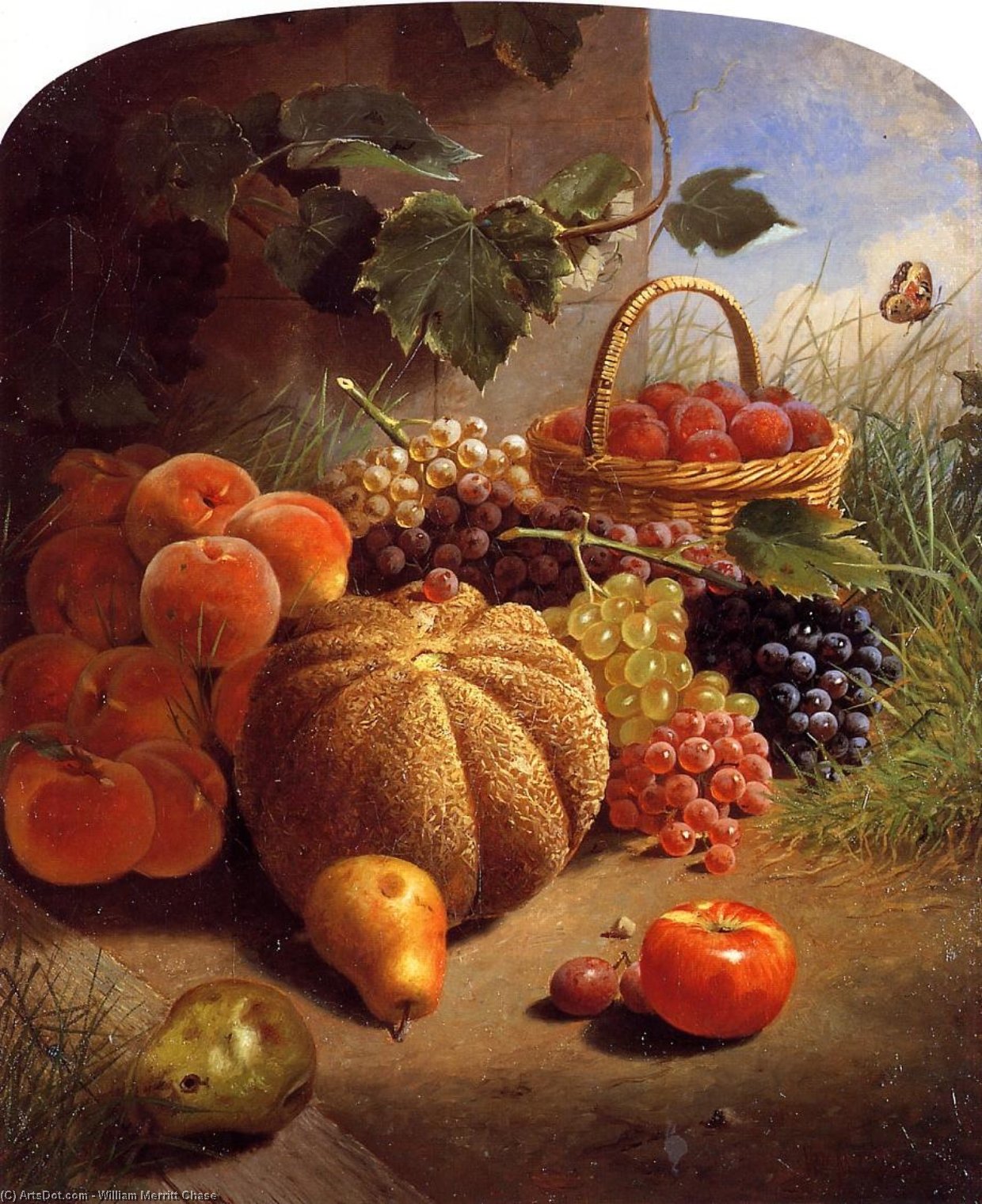
William Merritt Chase’s “Still Life with Fruit,” painted in 1871, is more than just a depiction of luscious produce; it's a vibrant embodiment of the burgeoning Impressionist movement in America. This captivating piece, currently residing within the Parrish Art Museum’s collection in Water Mill, New York, invites us into a world where light and color reign supreme, capturing a fleeting moment of beauty with remarkable immediacy. The artist masterfully arranges an abundance of fruits – apples, pears, grapes, plums, peaches, and oranges – creating a composition that feels both meticulously planned and delightfully spontaneous. Chase’s skill lies in his ability to render the textures of each fruit with astonishing accuracy, from the smooth skin of a peach to the waxy sheen of an orange, all while employing broken brushstrokes that dance across the canvas.
Impressionist Technique and Color Harmony
- Light as Subject: Chase was deeply influenced by the Impressionists’ fascination with capturing the effects of natural light. The painting isn't about precise representation; it’s about conveying the *impression* of light filtering through a room, illuminating the fruits and creating subtle shifts in tone and hue.
- Broken Brushstrokes: Notice the characteristic short, choppy brushstrokes – a hallmark of Impressionism. These aren't blended or smoothed out; instead, they build up layers of color to create a shimmering effect, particularly evident in the reflections on the fruit’s surfaces.
- Color Palette: The artist utilizes a rich and vibrant palette, dominated by warm tones—reds, oranges, and yellows—contrasted with cooler greens and blues. This careful balance creates visual excitement and draws the eye across the composition.
Historical Context and Artistic Significance
“Still Life with Fruit” was created during a pivotal moment in American art history. Chase emerged as one of the leading figures in the Impressionist movement in America, following the lead of artists like Monet and Renoir. His work helped to establish a distinctly American style within this European-inspired movement, focusing on everyday subjects—often still lifes—and capturing the beauty of the natural world. The painting reflects the growing interest in plein air painting – working outdoors directly from nature – which was central to the Impressionist philosophy. Chase’s dedication to light and color paved the way for future generations of American artists.
Symbolism and Emotional Resonance
While seemingly a simple still life, “Still Life with Fruit” possesses a subtle symbolic depth. The abundance of fruit can be interpreted as representing prosperity, fertility, and the pleasures of the senses – themes frequently explored in art throughout history. The arrangement itself feels almost celebratory, an appreciation for the beauty and bounty of nature. More than just a visual delight, the painting evokes a sense of tranquility and contentment, inviting the viewer to pause and savor the moment captured by Chase’s masterful brushstrokes. It's a testament to the power of art to transform ordinary objects into extraordinary expressions of light, color, and emotion.