The Life Line: A Dramatic Encounter Between Humanity and Nature
Winslow Homer’s *The Life Line*, completed in 1884, stands as a testament to the artist's masterful ability to capture both the visceral immediacy of experience and the profound contemplation of human condition. More than just a depiction of a maritime rescue—a commonplace subject for artists of the era—the painting delves into themes of vulnerability, courage, and the inescapable influence of natural forces on human destiny.
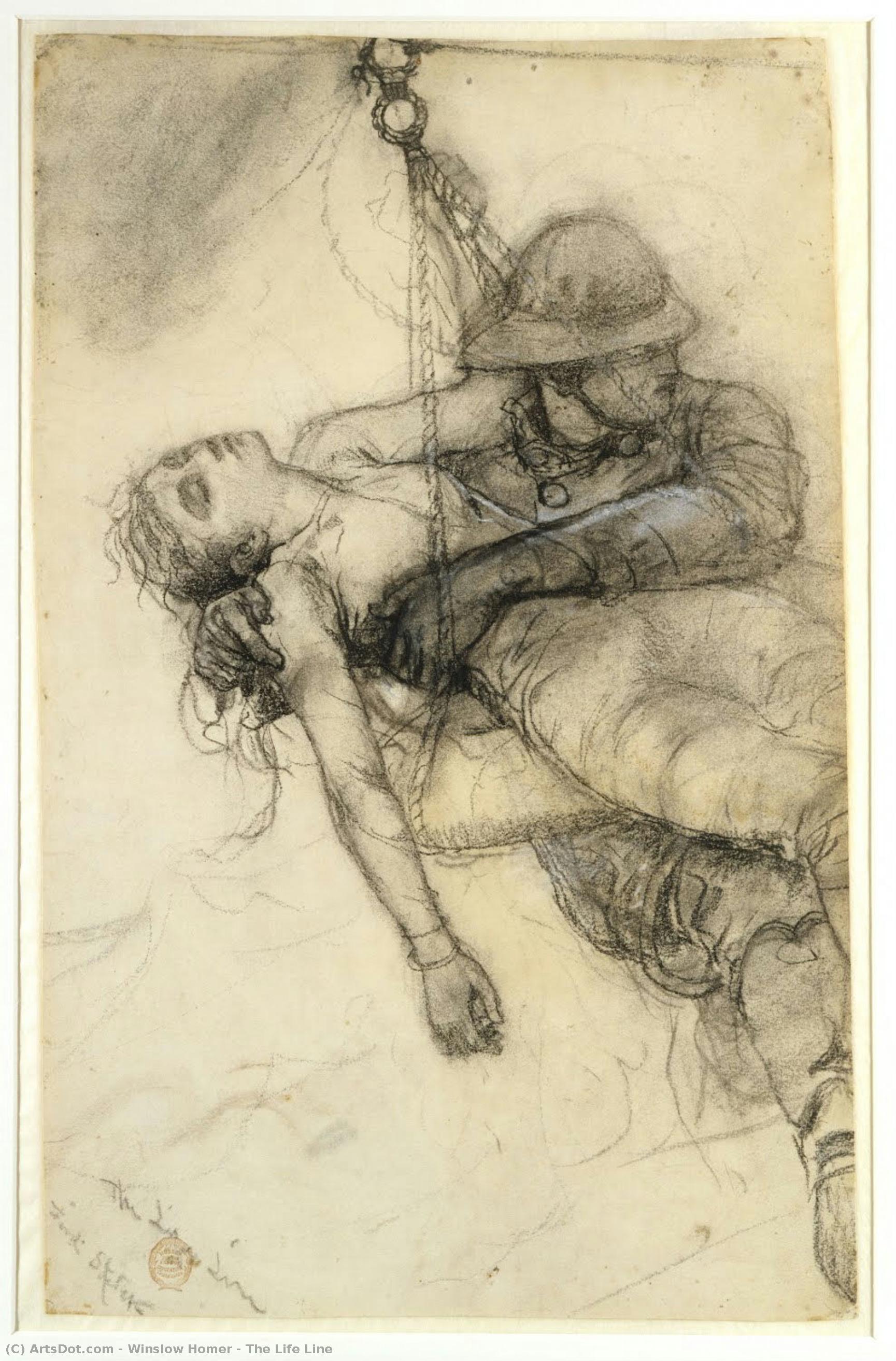
- Subject Matter: The scene portrays a soldier bravely attempting to pull a woman from the turbulent waters of the Atlantic Ocean following a shipwreck. Homer meticulously observed the aftermath of a significant maritime disaster—the sinking of the *Atlantic* in April 1873—resulting in the tragic loss of nearly every passenger and crew member. This event served as inspiration for his artistic vision, reflecting anxieties prevalent during Victorian society regarding seafaring dangers.
- Style & Technique: Homer’s style leans toward realism infused with expressive linework, reminiscent of late 19th-century illustration or drawing. The technique is characterized by loose, gestural charcoal strokes that build up texture and form—a deliberate choice to convey the urgency and dynamism of the moment. Homer eschewed overly polished surfaces, prioritizing a palpable sense of physicality and conveying the chilling effects of exposure to seawater.
- Historical Context: Painted during Homer’s formative years in England, *The Life Line* reflects the broader artistic currents of the time—particularly the fascination with dramatic narratives and explorations of human psychology. It aligns with the Romantic tradition's preoccupation with sublime landscapes and heroic figures confronting overwhelming forces.
- Symbolism: Beyond its literal depiction of rescue, the painting operates on a symbolic level. The woman’s pose embodies vulnerability and helplessness against the destructive power of nature—a motif recurring throughout Homer’s oeuvre. Furthermore, the soldier's unwavering determination represents human resilience and courage in the face of adversity.
- Emotional Impact: Homer skillfully evokes feelings of tension, fear, and compassion through his masterful use of chiaroscuro (light and shadow). The dramatic lighting emphasizes the figures’ forms and creates a palpable sense of urgency—drawing viewers into the harrowing experience of survival. The painting's muted palette contributes to its melancholic atmosphere, prompting reflection on mortality and the precariousness of human existence.
The Philadelphia Museum of Art houses *The Life Line*, where visitors can appreciate Homer’s exceptional skill in translating observation into emotionally resonant art. Its enduring appeal lies in its ability to capture not only a specific historical event but also universal themes concerning courage, vulnerability and the confrontation with nature.