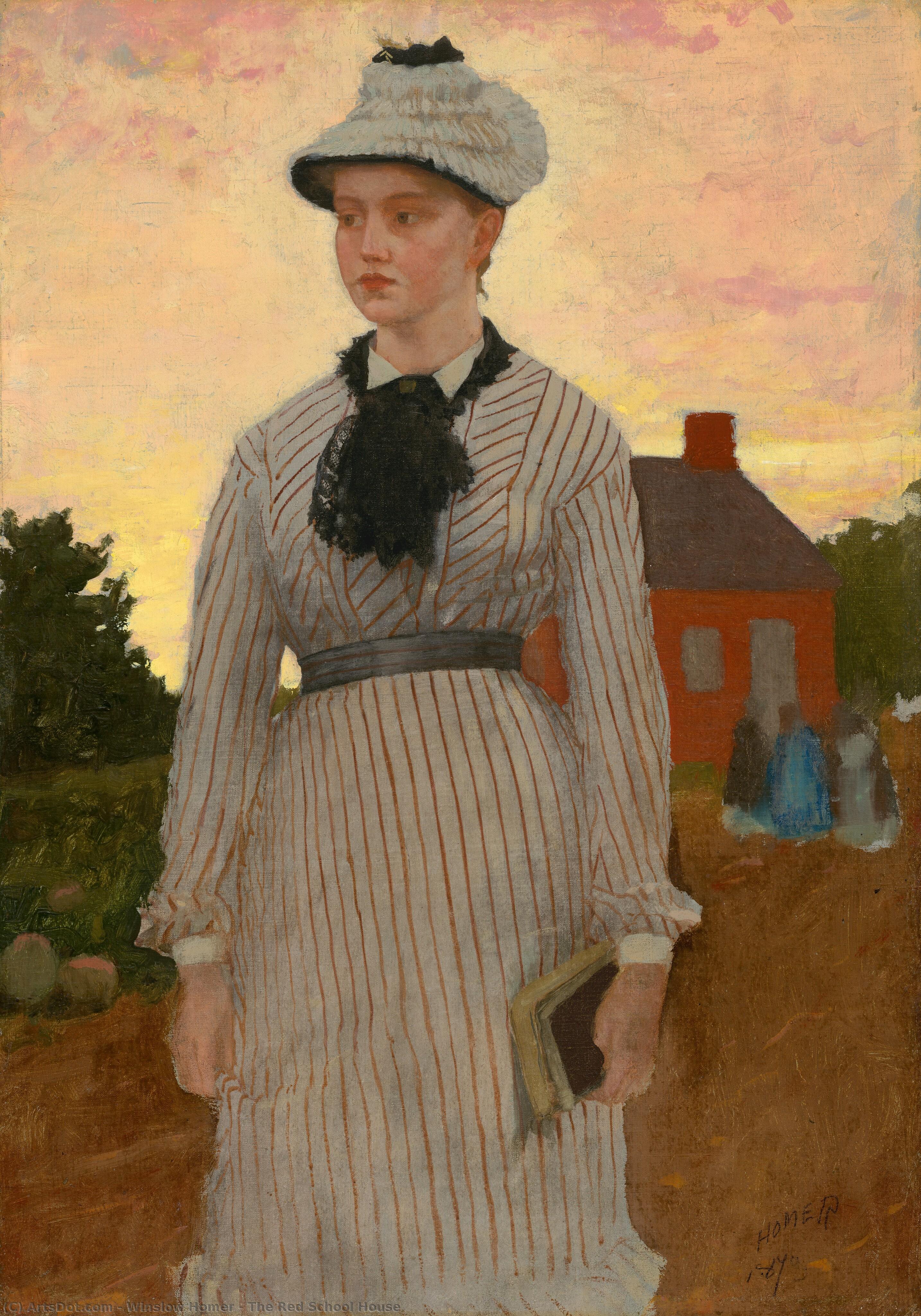
A captivating portrait of a woman in white, adorned with a black belt and clutching a book – Winslow Homer’s masterful depiction captures the essence of Victorian elegance against a backdrop of serene outdoor scenery.
Winslow Homer (1836-1910): Explore the iconic American Realist's powerful paintings of marine life, landscapes & 19th-century life. Discover masterpieces like 'The Gulf Stream' and 'Breezing Up'.
A Portrait Steeped in Tradition: Winslow Homer’s “Woman in White”
The painting "Woman in White," completed by Winslow Homer in 1873, stands as an emblem of the American Realist movement—a deliberate rejection of Romantic idealism and a fervent embrace of observable reality. Homer, largely self-taught and eschewing formal artistic training, nevertheless possessed an unparalleled gift for capturing the essence of human experience within meticulously rendered landscapes and portraits alike. This particular canvas depicts a woman dressed in white satin, adorned with a black belt and clutching a book—a seemingly simple composition that belies profound layers of meaning and artistic innovation.
Style and Technique: Watercolor Mastery
Homer’s signature technique was watercolor, chosen not merely for its aesthetic qualities but also for its inherent limitations. Unlike oil paints, which allow for gradual blending and correction, watercolor demanded immediate decisiveness and a masterful understanding of tonal gradations. Homer achieved remarkable depth and luminosity by layering thin washes of color upon each other—a process painstakingly executed over many hours, even days—creating an ethereal effect that captures the subtle nuances of light and shadow. The delicate texture of the watercolor surface contributes to the painting's overall atmosphere of quiet contemplation and understated elegance.
Historical Context: The Rise of American Realism
“Woman in White” emerged during a pivotal moment in art history—the ascendancy of American Realism following the Civil War. Artists like Homer sought to depict life as it *was*, confronting social injustices and celebrating the dignity of ordinary individuals without resorting to sentimental embellishment. This movement challenged prevailing artistic conventions, prioritizing accuracy and emotional honesty over idealized beauty. The painting reflects the broader cultural preoccupation with themes of morality, femininity, and intellectual pursuits—values considered paramount in Victorian society.
Symbolism: White Satin and Intellectual Pursuits
The woman’s white satin dress is laden with symbolic significance. Traditionally associated with purity and innocence, it underscores Homer's intention to portray his subject as embodying moral virtue. Simultaneously, the black belt symbolizes restraint and discipline—a visual counterpoint to the flowing fabric of the gown. The book she holds represents knowledge and contemplation—reflecting the intellectual climate of the era and suggesting that Homer wished to elevate his subject beyond mere physical appearance.
Emotional Impact: Quiet Dignity and Contemplative Beauty
Ultimately, “Woman in White” succeeds in conveying a powerful emotional resonance—a sense of quiet dignity and contemplative beauty that transcends its formal elements. The woman’s gaze is averted from the viewer, fostering an intimacy that invites viewers to engage in their own reflections on themes of solitude, introspection, and inner resilience. Homer's masterful handling of watercolor captures not only the visual splendor of the scene but also the intangible spirit of human experience—a testament to his enduring legacy as one of America’s greatest painters.