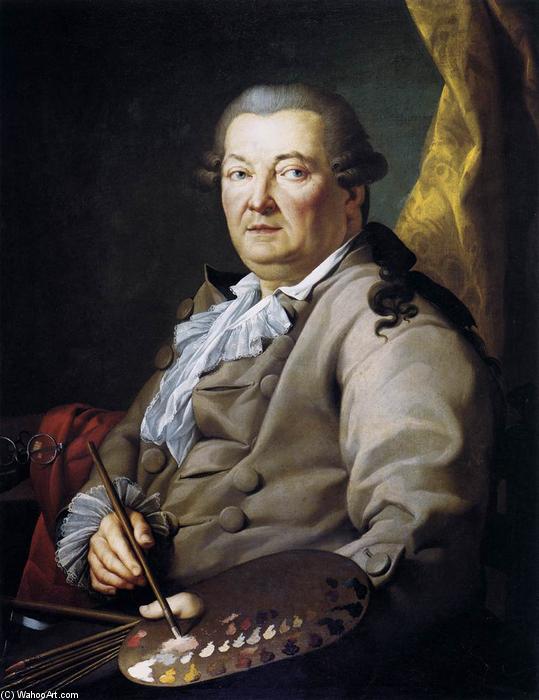
Zacarías González Velázquez (1763 – 1834) stands as a pivotal figure in Spanish Baroque painting, embodying the culmination of artistic tradition while simultaneously embracing innovative techniques that foreshadowed Romanticism. Born into Madrid’s prominent González Velázquez family—a lineage steeped in artistic heritage—his upbringing instilled within him an unwavering dedication to mastering th
Explore the portraits & religious works of Zacarías González Velázquez, a Spanish painter from Madrid’s artistic family. Discover his royal commissions & academic career.
Explore the Museo Nacional del Prado in Madrid! Discover masterpieces by Velázquez, Goya & El Greco, spanning centuries of European art. A must-see cultural landmark!
A Window into the Soul: Examining Zacarías González Velázquez’s Self-Portrait
Zacarías González Velázquez (1763 – 1834) stands as a cornerstone of Spanish Baroque painting, representing not merely an artistic achievement but also the final flourish of a stylistic tradition that had captivated Europe for decades. His legacy rests upon a singular ability to distill complex emotions and intellectual contemplation into visual form—a skill brilliantly demonstrated in his captivating Self-Portrait, executed around 1635. This artwork transcends mere likeness; it’s an intimate glimpse into the artist's psyche, reflecting both his professional dedication and a profound awareness of his own place within the grand narrative of artistic history.
The Artist’s Studio: Setting the Stage for Reflection
The painting’s composition immediately establishes its significance as a study piece—a preparatory sketch intended for Velázquez’s monumental “Surrender of Breda,” commemorating a pivotal moment in the Eighty Years' War. Yet, this seemingly pragmatic undertaking belies a deeper purpose: to capture not just physical appearance but also the artist’s inner state. The darkened studio background serves as an effective foil to the luminous figure at its center, emphasizing his isolation and focusing attention on the task at hand—the act of painting itself. Curtains drape subtly in the upper right corner, reinforcing the sense of confinement and prompting contemplation about the creative process.
Technical Mastery: Light and Shadow – The Language of Baroque Emotion
Velázquez’s technique exemplifies the hallmarks of Baroque artistry. He employs masterful chiaroscuro—the dramatic interplay between light and shadow—to sculpt the man's form with remarkable precision. Careful observation informs every brushstroke, resulting in a surface texture that conveys both solidity and softness simultaneously. The artist meticulously renders details such as the lace collar and cuffs of his shirt, highlighting the meticulous craftsmanship characteristic of aristocratic attire. Furthermore, Velázquez’s use of color is restrained yet purposeful, favoring muted tones to create an atmosphere of solemn seriousness—a deliberate choice designed to convey a sense of introspection and artistic contemplation.
Symbolism Within Illusion: Exploring Identity and Artistic Purpose
Beyond its technical brilliance, the Self-Portrait resonates with symbolic meaning. The artist’s gaze directs outwards, suggesting a preoccupation with observation and understanding – qualities essential for both an accomplished painter and a humanist philosopher. His attire—a symbol of status and authority—underscores Velázquez's position within the artistic hierarchy of his time. More subtly, the inclusion of the palette itself speaks to the creative act—the artist’s engagement with materials and ideas as he strives to capture beauty and convey emotion. The painting is more than just a portrait; it’s an assertion of identity and a declaration of artistic vocation.
A Legacy Illuminated: Velázquez's Influence on Romanticism
González Velázquez’s Self-Portrait represents a crucial bridge between Baroque grandeur and the burgeoning Romantic sensibility. While retaining the stylistic conventions of his predecessors, Velázquez subtly anticipates the emotional depth and expressive freedom that would define the Romantic movement. His ability to convey psychological nuance—a feat achieved through masterful observation and skillful manipulation of light—demonstrates an artistic vision that transcends mere representation, inviting viewers to engage with profound questions about human experience. This enduring masterpiece continues to inspire artists and collectors alike, securing Velázquez’s place as one of Spain's greatest painters and a visionary figure in the history of art.