zacarías gonzález velázquez
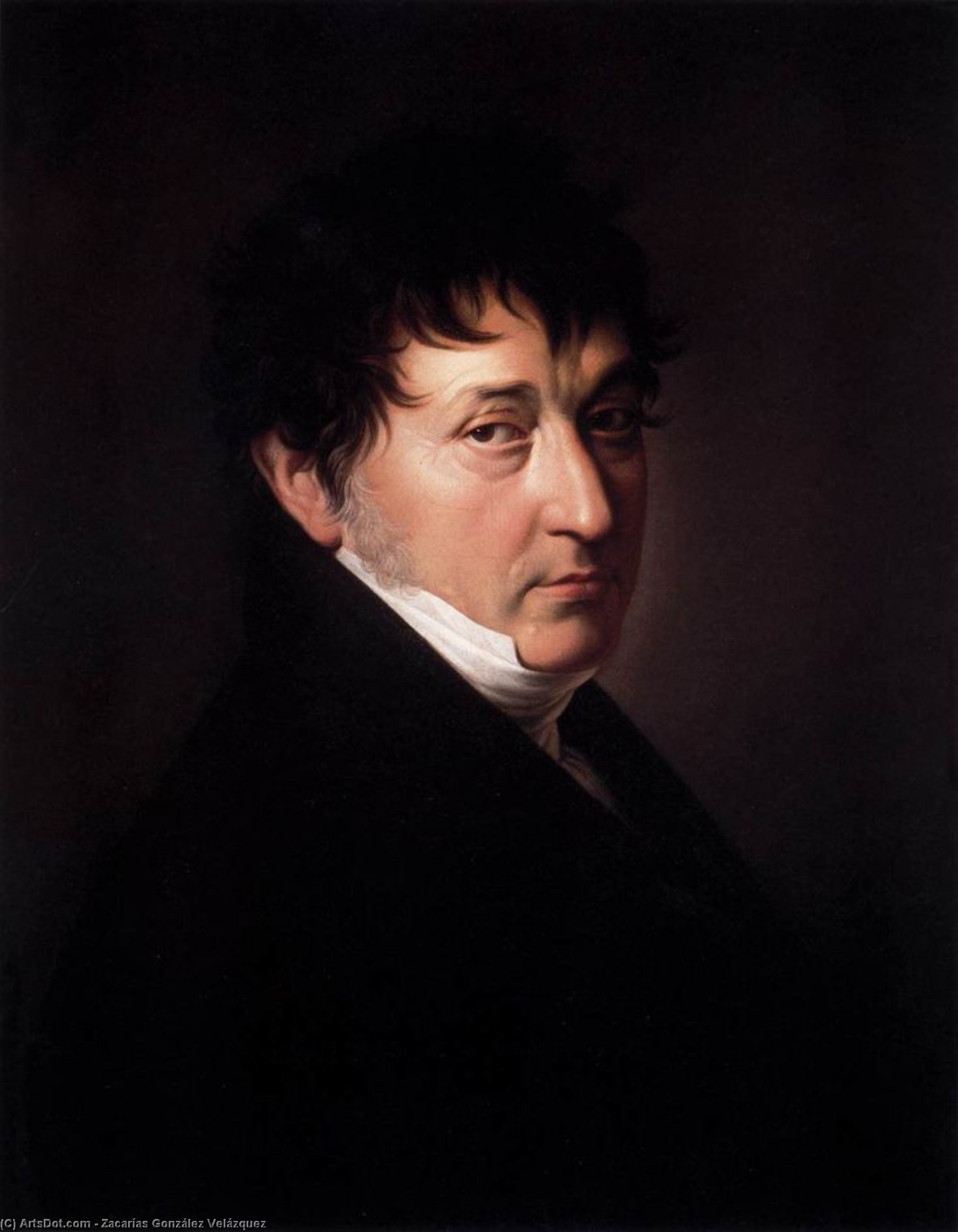
Self-Portrait
Zacarías González Velázquez (1763 – 1834) stands as a pivotal figure in Spanish Baroque painting, embodying the culmination of artistic tradition while simultaneously embracing innovative techniques that foreshadowed Romanticism. Born into Madrid’s prominent González Velázquez family—a lineage steeped in artistic heritage—his upbringing instilled within
Explore the portraits & religious works of Zacarías González Velázquez, a Spanish painter from Madrid’s artistic family. Discover his royal commissions & academic career.
Explore the Museo Nacional del Prado in Madrid! Discover masterpieces by Velázquez, Goya & El Greco, spanning centuries of European art. A must-see cultural landmark!
A Window into Baroque Mastery: Zacarías González Velázquez’s Self-Portrait
Zacarías González Velázquez (1763 – 1834) represents the zenith of Spanish Baroque painting, a testament to artistic heritage fused with burgeoning experimentation that subtly anticipates the stylistic currents of Romanticism. His formative years within Madrid's influential González Velázquez family instilled in him an unwavering commitment to mastering the art form—a dedication mirrored by his father, Antonio González Velázquez, who himself was celebrated for his own contributions to Baroque artistry. This familial legacy fostered a profound understanding of the period’s artistic landscape: characterized by grandeur, fervent religious devotion, and an aspiration to depict idealized beauty through meticulous observation and dramatic illumination.
The Canvas Speaks Volumes: Technique and Composition
González Velázquez's ‘Self-Portrait,’ housed at the Museo del Prado in Madrid (49.7.42), exemplifies Baroque artistry’s hallmark—a masterful command of chiaroscuro, or dramatic lighting—that elevates the depiction beyond mere representation. The artist skillfully employs brushstrokes to convey texture and depth, particularly noticeable in the rendering of his hair and beard, where individual strands are painstakingly delineated. This meticulous attention to detail underscores not only technical prowess but also a deliberate choice to engage the viewer’s gaze directly with the subject's face—a compositional strategy common throughout the Baroque era. The subdued background serves as an indispensable counterpoint, emphasizing the luminosity of Velázquez’s visage and reinforcing the painting’s emotional resonance.
A Reflection of Faith and Dignity: Symbolism Within Form
Beyond its technical brilliance, ‘Self-Portrait’ carries symbolic weight rooted in the prevailing intellectual climate of its time. The formal attire—a high-collared white shirt paired with a black coat—suggests adherence to aristocratic conventions and embodies notions of dignity and solemn contemplation. Furthermore, Velázquez's gaze directs outwards, conveying an awareness of his place within the broader artistic tradition while simultaneously projecting an aura of introspective thoughtfulness. Such gestures align seamlessly with Baroque ideals – reflecting spiritual piety alongside intellectual curiosity.
Historical Context: Echoes of Breda and Beyond
Painted circa 1635, ‘Self-Portrait’ stands as a preparatory study for Diego Velázquez's monumental masterpiece, ‘Surrender of Breda,’ marking an important moment in the artist’s oeuvre and signaling his engagement with ambitious narrative projects. The painting’s stylistic influences extend beyond Velázquez’s immediate artistic circle; it embodies the broader Baroque aesthetic—a reaction against Mannerism—which prioritized realism and emotional intensity. It represents a pivotal step toward establishing Velázquez as one of Spain's foremost painters, securing his place in art history as an innovator who simultaneously honored tradition and pushed boundaries.
A Legacy Illuminated: The Enduring Appeal of Baroque Emotion
‘Self-Portrait’ continues to captivate audiences today due to its ability to convey profound emotion through subtle visual cues—a testament to Velázquez's unparalleled skill in capturing the human spirit. Its enduring fascination speaks to the timeless power of art to communicate complex ideas and feelings, cementing González Velázquez’s legacy as a beacon of Baroque artistry and an inspiration for generations of artists to come.